


Thanksgiving morning can turn stressful when the turkey comes out of the freezer still frozen solid. A bird that should have spent several days thawing in the refrigerator now seems impossible to serve for dinner. But putting it straight into the oven is an option, provided there's enough time for the center to cook.
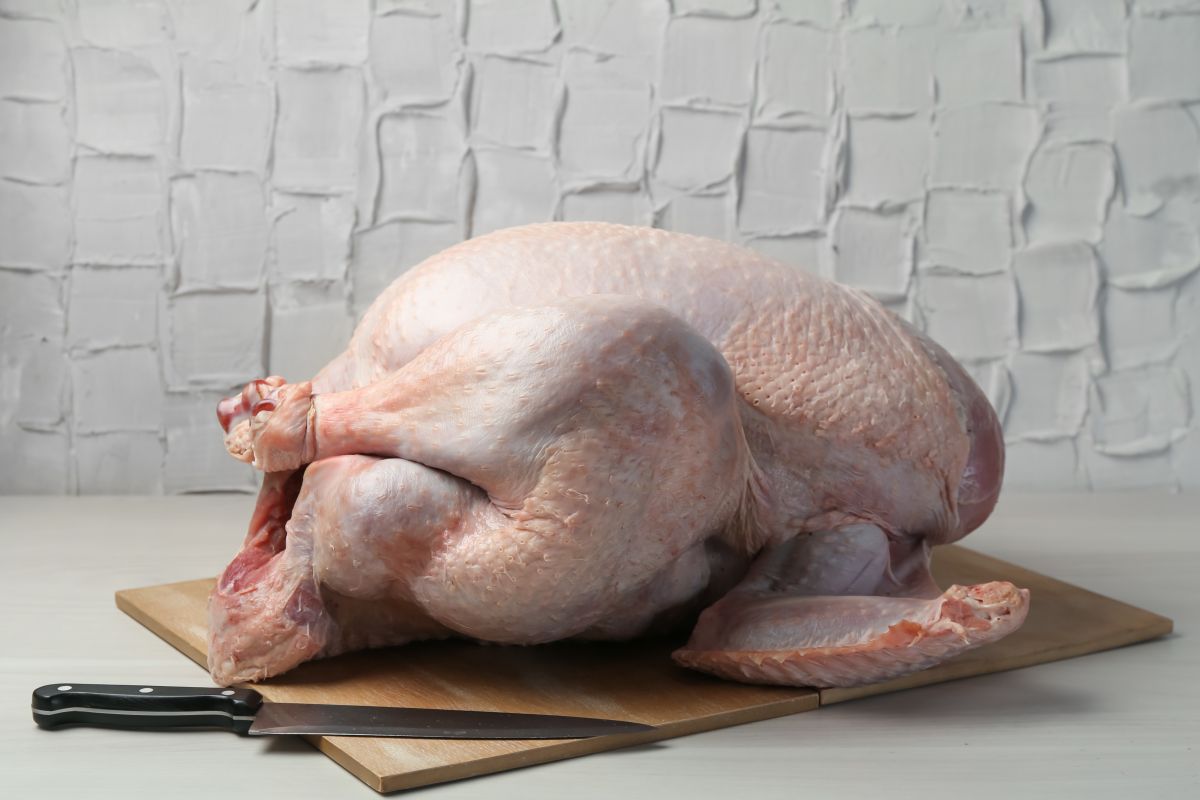
A Serious Eats test showed that a 13.5-pound frozen turkey could be roasted without thawing it first. The bird went into a 325°F oven, where the initial cooking period softened the frozen interior enough to remove the neck and giblets before roasting continued.
The result was a golden turkey with mostly tender meat, although some breast sections became drier than they would have been with a thawed bird. The method worked, but oven temperature, extra cooking time, and a reliable meat thermometer made the difference.
The frozen turkey goes straight into the oven
Remove the turkey from its outer packaging and place it breast-side up on a rack inside a roasting pan.
Preheat the oven to 325°F (163°C) and begin roasting without waiting for the bird to thaw.
At first, the turkey may be too frozen to remove the neck or giblets from the cavity. Allow the heat to soften the frozen interior before attempting to remove them.
In the Serious Eats test, the cavity was still partly frozen after two hours, showing why the process needs extra time.
Once the neck and giblets can be removed without force, clear the cavity and check for any packaging or parts that must come out before cooking continues.
Brush the skin with a little oil, season with salt, and return the turkey to the oven.
Do not stuff a frozen turkey. Cook stuffing in a separate dish so the bird can heat through without an additional filling slowing the process.
The thermometer matters more than the clock
A frozen turkey takes longer to cook because the oven must thaw the meat before bringing it to a safe serving temperature.
The USDA advises allowing at least 50% more cooking time for a frozen turkey compared with a thawed one.
A bird that would normally require four hours may therefore need approximately six, although size, shape, and oven performance affect the result.
Once the meat has softened enough, insert a probe thermometer into the thickest part of the breast without touching bone.
Continue roasting and check several locations with an instant-read thermometer.
For straightforward food safety, the turkey should reach 165°F (74°C) in the thickest part of the breast, innermost thigh, and innermost wing.
Don't rely on browned skin or clear juices to determine doneness. The exterior can look finished while the center still needs more cooking.
Once the turkey reaches the required temperature, remove it from the oven and allow it to rest for at least 20 minutes before carving.
Roasting from frozen won't provide the same preparation options as thawing and seasoning a turkey ahead of time, and the exposed meat may lose more moisture during the extended cooking period.
But a frozen turkey doesn't automatically mean Thanksgiving dinner is lost. With a properly heated oven, enough extra time, and accurate temperature checks, the bird can go from frozen to roasted without a separate thawing step.
Leave a Reply