


Roasted broccoli can develop dark, crisp edges while the thick stalks remain tough. Leaving the tray in the oven for another five minutes seems like the answer, but the delicate florets may dry out before the stems become tender. The solution comes after roasting, when a sheet of aluminum foil traps the heat and moisture left in the vegetables.
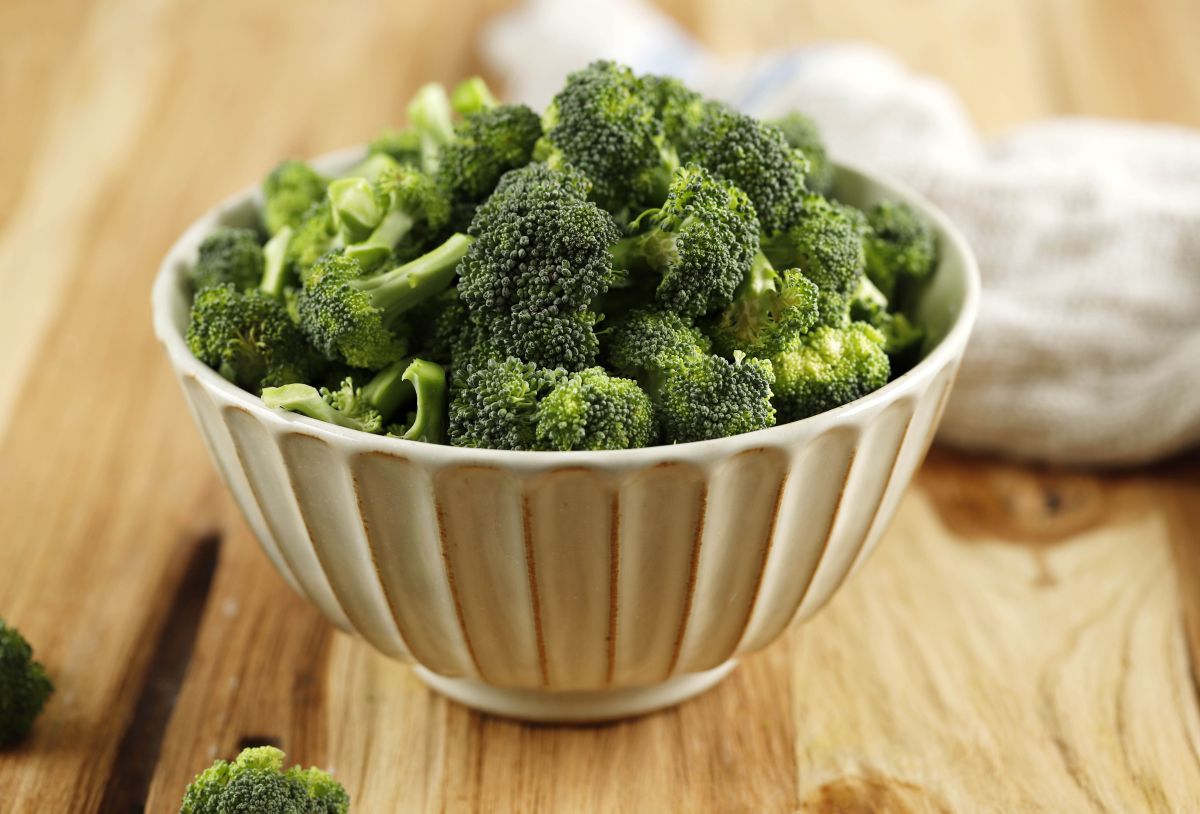
Broccoli has an uneven structure, with dense stalks supporting clusters of small flower buds. Those thin florets lose moisture faster than the stems cook, creating a frustrating combination of dry tops and firm centers.
A method tested by Serious Eats uses high heat to brown the broccoli first, then trapped steam to finish softening it. The vegetables get their roasted flavor before the foil goes on, so the final step doesn't require another round of direct heat.
Cover the baking sheet after the broccoli browns
Roast broccoli at high heat until the florets develop browned edges but the stalks still offer some resistance.
Instead of leaving the tray uncovered in the oven, remove it and cover the baking sheet with aluminum foil.
Press the foil around the edges to trap the steam released by the hot broccoli.
For a faster finish, return the covered tray to the switched-off oven for five minutes. The residual heat helps keep the trapped steam warm as the stalks soften.
Another option is to leave the covered tray on the counter for approximately ten minutes.
Both methods use moisture already present in the vegetables rather than adding water to the roasting pan.
Steam softens the stalks without more browning
Broccoli florets have a large exposed surface area, allowing moisture to escape during roasting.
The stalks are denser and take longer to soften, which explains why the two parts can reach different textures at the same time.
When the hot broccoli is covered, escaping moisture collects as steam beneath the foil.
That steam transfers heat to the vegetables and helps soften their structure without exposing the florets to another period of dry oven heat.
The Serious Eats testing found that roasting before steaming produced better flavor than steaming the broccoli first.
Pre-steaming can leave the surface wet, slowing the browning reactions that create roasted flavor.
The same tests favored high-temperature roasting over a longer cook at lower heat, which caused the broccoli to lose too much moisture and develop a leathery texture.
Convection cooking also increased drying in those experiments, making a conventional oven setting preferable for this method.
The key is to stop roasting once the broccoli has developed enough color. Five minutes under foil in the turned-off oven can finish softening the stalks without continuing to dry out the florets.
Leave a Reply