


Fresh cilantro can turn limp and slimy after just a few days in the refrigerator, even when the bunch looked crisp at the grocery store. Stuffing the stems and leaves into a plastic bag seems like a way to protect them, but trapped moisture and crushed leaves can make the herbs deteriorate faster.
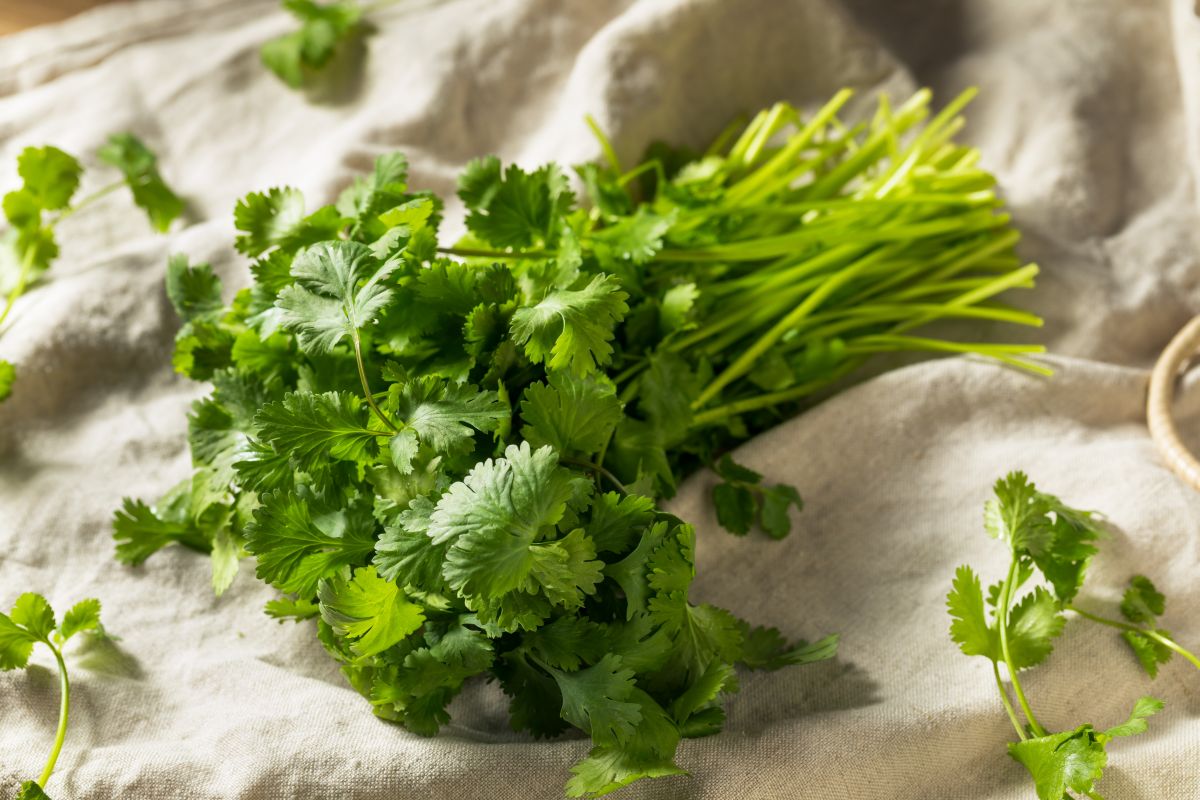
A different storage method treats cilantro more like cut flowers than ordinary produce. Instead of laying the bunch flat in a bag, stand the stems upright in a container with a little water at the bottom, then cover the leaves before refrigerating.
Testing described by Serious Eats found that this approach kept cilantro fresh longer than storing it in a sealed plastic bag. The method also works for some other tender herbs, including parsley, without requiring special storage equipment.
The stems go into water, not the leaves
Start with a fresh bunch of cilantro and remove any leaves that have turned yellow, brown, or slimy.
Choose a one-quart container tall enough to hold the stems without crushing the leaves.
Add approximately one inch of water to the bottom, then place the cilantro upright with the cut stem ends submerged.
Keep the leaves above the water rather than pushing the entire bunch beneath the surface.
Cover the container with a tight-fitting lid, folding the leaves into the available space without pressing them down.
If the container doesn't have a suitable lid, an overturned plastic bag secured around the rim can provide a cover.
Place the container in the refrigerator, where the stems can continue taking up water while the cover helps reduce moisture loss from the leaves.
The covered container protects the delicate leaves
Cilantro loses moisture after harvesting, causing its thin leaves and stems to wilt.
Standing the cut ends in water helps the herb maintain hydration, while the covered container limits exposure to dry refrigerator air.
The arrangement also keeps the bunch upright instead of compressed against other produce inside the crisper drawer.
In storage testing by former Serious Eats culinary director J. Kenji López-Alt, this upright, covered-water method outperformed keeping cilantro in a plastic zip-top bag.
The method can preserve freshness for weeks under favorable conditions, although the result depends on the herb's starting condition and refrigerator temperature.
Check the water during storage and replace it if it becomes cloudy. Remove damaged leaves and discard the bunch if it develops slime, mold, or an unpleasant odor.
Parsley can benefit from a similar setup, but not every herb prefers the same conditions. Basil, for example, is sensitive to refrigerator temperatures and is often better stored at room temperature.
The difference is how the cilantro sits inside the refrigerator. A plastic bag leaves the bunch lying against itself, while a covered container with water supports the stems and protects the leaves from drying out.
Leave a Reply