


• Skip to primary navigation
  • Skip to main content
  • Skip to primary sidebar
  • Recipes
  • Nutrition
  • Natural Living
  • Body Love
  • Sustainability
  • Lively Living
    • Baby Led Weaning
    • Pregnancy
    • Lively Littles Recipes
    • Baby Lifestyle
  • About
    • Contact

Lively Table logo

menu icon
go to homepage
search icon
Homepage link
  • Appetizers
  • Breakfast
  • Lunch
  • Main Dishes
  • Desserts
  • Sides
  • Vegetarian
  • Gluten Free
  • Pork
  • Contact
    • Facebook
    • Instagram
    • Pinterest
    • Twitter
  • ×
    Home » Recipes » Sides

    Your Frozen Fries Aren't Soggy Because They Need More Oil: Check the Ice First

    BY LivelyTable Team · October 15, 2026

    Add LivelyTable to Google Preferred Sources

    Frozen fries can spend half an hour in a hot oven and still come out pale, soft, and missing the crisp edges you expected. Adding more oil seems like the answer, but the problem may already be sitting on the fries before they reach the baking sheet. A coating of frost can turn into water during cooking, interfering with the browning that creates a crisp exterior.
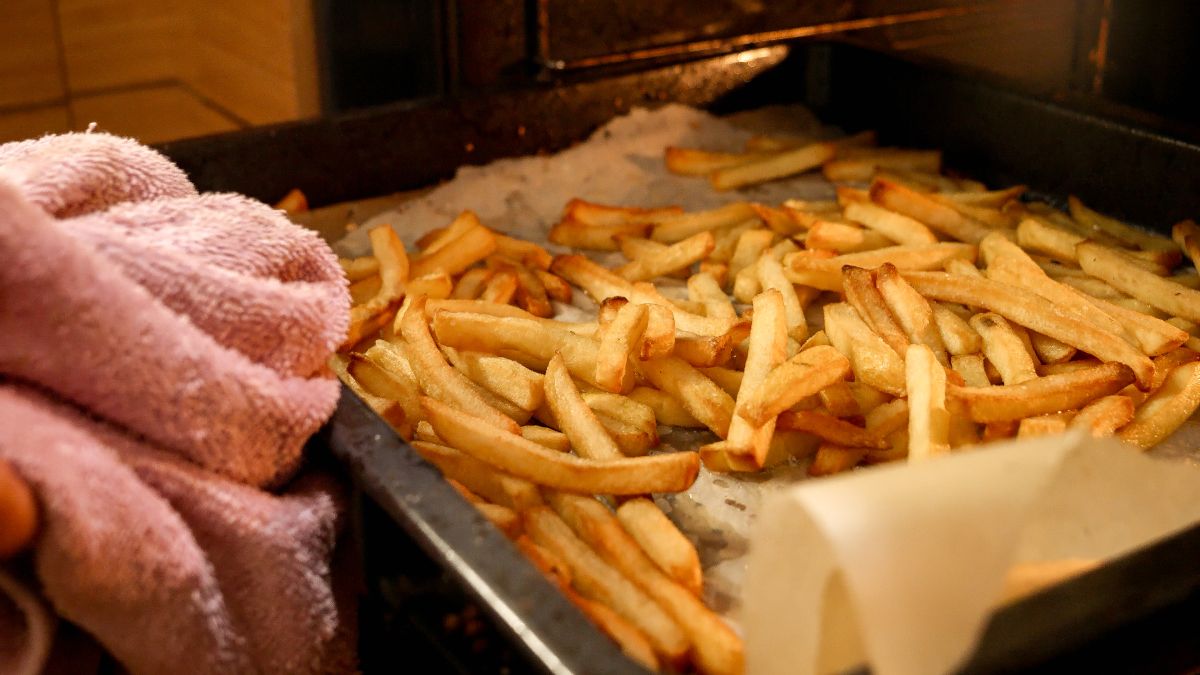
    Most supermarket frozen fries have already been blanched and partially fried before packaging. Some also have a thin coating designed to help them crisp during cooking, so they don't necessarily need another generous layer of fat.

    The overlooked step is checking for loose ice and surface moisture before cooking. Removing excess frost can help prevent water from collecting around the fries as the oven heats them.

    The frost turns into water before the fries can brown

    Frozen fries sometimes develop visible ice crystals during storage, particularly when their packaging has been exposed to temperature changes.

    Once the fries enter the oven, that frost melts and adds moisture to the surface. The water must evaporate before the exterior can brown and develop a crisp texture.

    When too much moisture collects on the baking sheet, the fries can steam rather than roast.

    Before cooking, inspect the frozen fries for loose frost or ice crystals. Shake away excess ice and use kitchen paper to remove visible surface moisture if needed.

    There's no need to thaw them first. Keep the fries frozen and follow the package instructions for cooking from frozen.

    Avoid soaking them in water, which can add moisture and interfere with coatings used on some commercially prepared fries.

    A hot baking sheet helps finish the job

    Once the excess frost is removed, the next step is giving the fries enough heat and space.

    Preheat the oven according to the package instructions, often around 400–425°F (200–220°C). If the baking sheet is suitable for preheating, place it in the oven while it warms.

    Spread the frozen fries across the hot metal in a single layer, leaving space between the pieces.

    Overcrowding traps steam and makes it harder for moisture to escape, even when the fries have little visible frost.

    Many frozen fries already contain oil from processing, so check the package before adding more. If extra oil is appropriate, a light coating is enough.

    Turn or shake the fries halfway through cooking to expose more surfaces to the heat.

    The exact cooking time depends on the thickness, coating, and brand, so use the package directions and check for a golden exterior.

    A little frost doesn't guarantee soggy fries, and removing it won't compensate for an overcrowded tray or insufficient heat. But when frozen fries carry visible ice, clearing that excess moisture before cooking gives their surfaces a better chance to brown instead of steam.

    « The Secret to Spreadable Butter Isn't Warming It Up: It's How the French Store It

    Reader Interactions

    Leave a Reply Cancel reply

    Your email address will not be published. Required fields are marked *

    Primary Sidebar

    Trending

    • Skinny margaritas with lime wedges.
      The BEST Skinny Margaritas
    • pinto beans a grey bowl with a black spoon beside it.
      The Best Easy Pinto Beans Recipe
    • piece of lobster ravioli cut in half on a black fork sitting on a plate of ravioli.
      Lobster Ravioli with Brown Butter Sauce
    • closeup of the cut side of a BBQ rib on a cutting board.
      BBQ Ribs on the Charcoal Grill
    • cooked black rice in a small grey bowl.
      How To Cook Black Rice
    • two layer cake with a layer of frosting in the middle and a dollop of frosting on top.
      How To Make Basic Cake Frosting
    • wooden spoon of easy spaghetti sauce over a white pot of sauce.
      The Simple Spaghetti Sauce I Make Instead of Buying Jars
    • closeup of simple roasted sweet potato cubes in a white bowl.
      Simple Roasted Sweet Potatoes
    As Featured in Sidebar Image

    Footer

    ↑ back to top

    Latest Recipes

    • The Secret to Spreadable Butter Isn't Warming It Up: It's How the French Store It
    • The Secret to Keeping Bananas Yellow Isn't the Fridge: It's What You Do With the Stems
    • The Secret to Crispy Frozen Vegetables Isn't Thawing Them It's Heating the Pan First
      The Secret to Crispy Frozen Vegetables Isn't Thawing Them: It's Heating the Pan First
    • Soaking apples in baking soda water can remove certain pesticide residues from the surface, but a study found some remain beneath the peel.
      Soaking Apples in Water With Baking Soda: What Does It Remove, and What Stays Behind?

    Recipes

    • Breakfast
    • Gluten-Free
    • Vegetarian
    • Desserts
    • Grilling
    • Chicken & Turkey
    • Drinks and Cocktails
    • Sides
    • Main Dishes
    • Snacks

    About

    • Contact
    • About

    Copyright © 2026 Lively Table
    Privacy Policy Terms and Conditions