


Eggplant can spend half an hour simmering in a thick curry or tomato sauce and still come out watery, with soft flesh and tough skin. Adding more spices or reducing the sauce doesn't always fix the texture. The problem may have started before the eggplant entered the pot, when the raw pieces went straight into the liquid without a brief sauté.
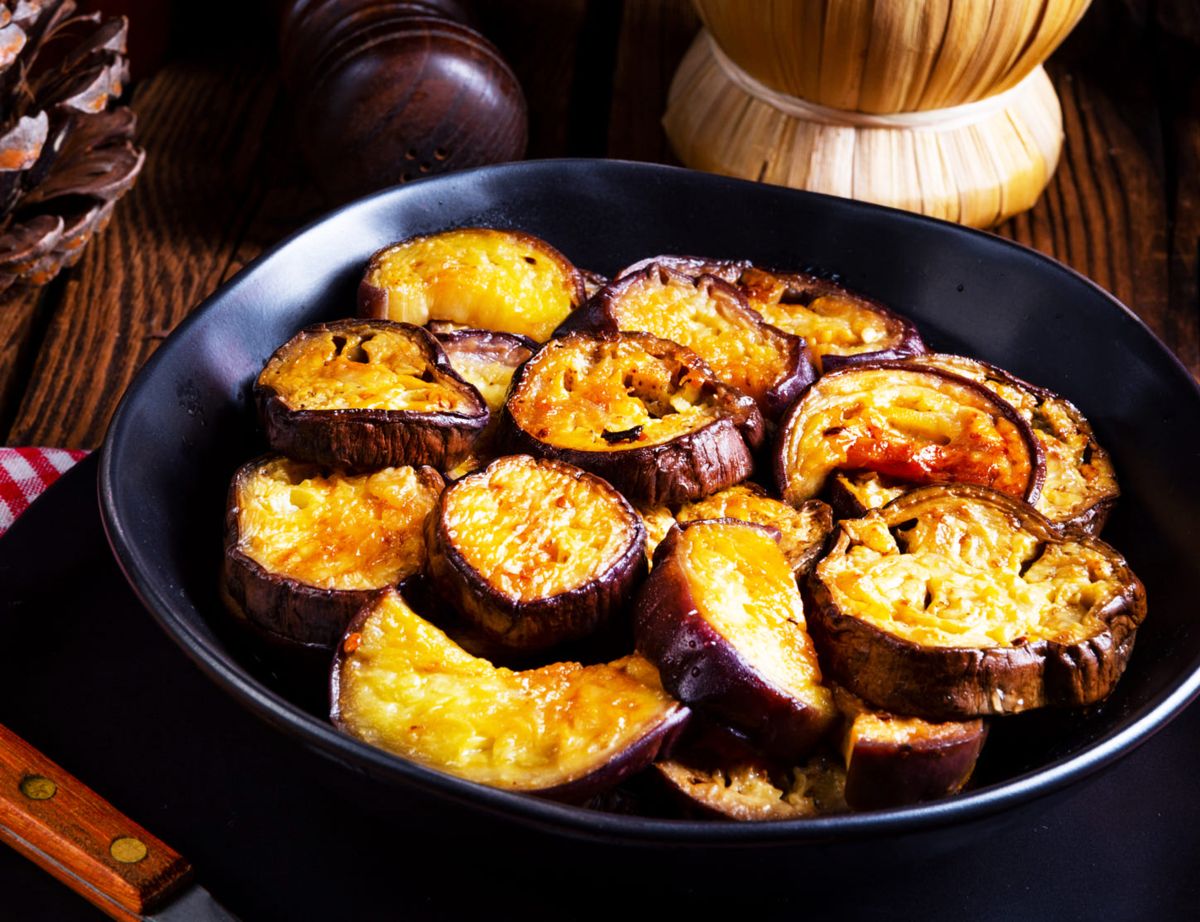
Eggplant has a porous structure filled with tiny air pockets that absorb moisture during cooking. When raw pieces enter a pot of broth or sauce, those spaces can fill with liquid before the vegetable develops the creamy texture associated with well-cooked eggplant.
Testing by Serious Eats found that sautéing eggplant for just two minutes before simmering produced a richer flavor, softer skin, and firmer pieces than cooking the raw vegetable in water from the start.
Two minutes in a skillet changes the texture
Cut eggplant into half-inch cubes, keeping the pieces similar in size so they cook at a comparable rate.
Heat a tablespoon of oil in a skillet over medium-high heat, then add the eggplant and sauté for approximately two minutes, turning the pieces until the surfaces begin to brown.
The goal isn't to cook the eggplant through. It's to expose the flesh and skin to enough heat to begin changing their structure before adding liquid.
In the Serious Eats comparison, one 100-gram batch was sautéed for two minutes and then simmered in a cup of water for six minutes.
A second batch went straight into the water and simmered for eight minutes.
The sautéed pieces developed a creamier interior and retained their shape better, while the batch cooked without oil became waterlogged and tasted diluted.
Browning the surface adds flavor before simmering
Eggplant contains air spaces between its cells, which contribute to its ability to absorb liquid.
When the vegetable enters a water-based sauce raw, those spaces can fill with moisture as the flesh softens.
Sautéing begins collapsing some of the internal structure and removes moisture from the surface, reducing the amount of liquid the pieces may absorb during the next cooking stage.
The higher temperature also produces browned spots through the Maillard reaction, creating savory flavors that simmering in water alone cannot develop.
Eggplant skin benefits from the initial heat as well. Its tougher structure can remain chewy when the flesh softens in liquid, but brief contact with hot oil helps it become more tender.
Once the pieces have browned, transfer them into the curry, stew, or tomato sauce and continue cooking until tender.
The technique doesn't require deep-frying or a separate lengthy preparation. A short sauté gives the eggplant a head start before it enters the liquid.
The difference begins before the sauce. Two minutes of direct heat can help eggplant develop a creamy texture and richer flavor instead of absorbing liquid and turning into soft, watery cubes.
Leave a Reply