


A glass baking dish can spend an hour inside a 400°F oven without cracking, then shatter moments after being placed on the kitchen counter. The heat itself isn't always responsible. A sudden change in temperature can put more stress on the glass than the steady heat it experienced during baking.
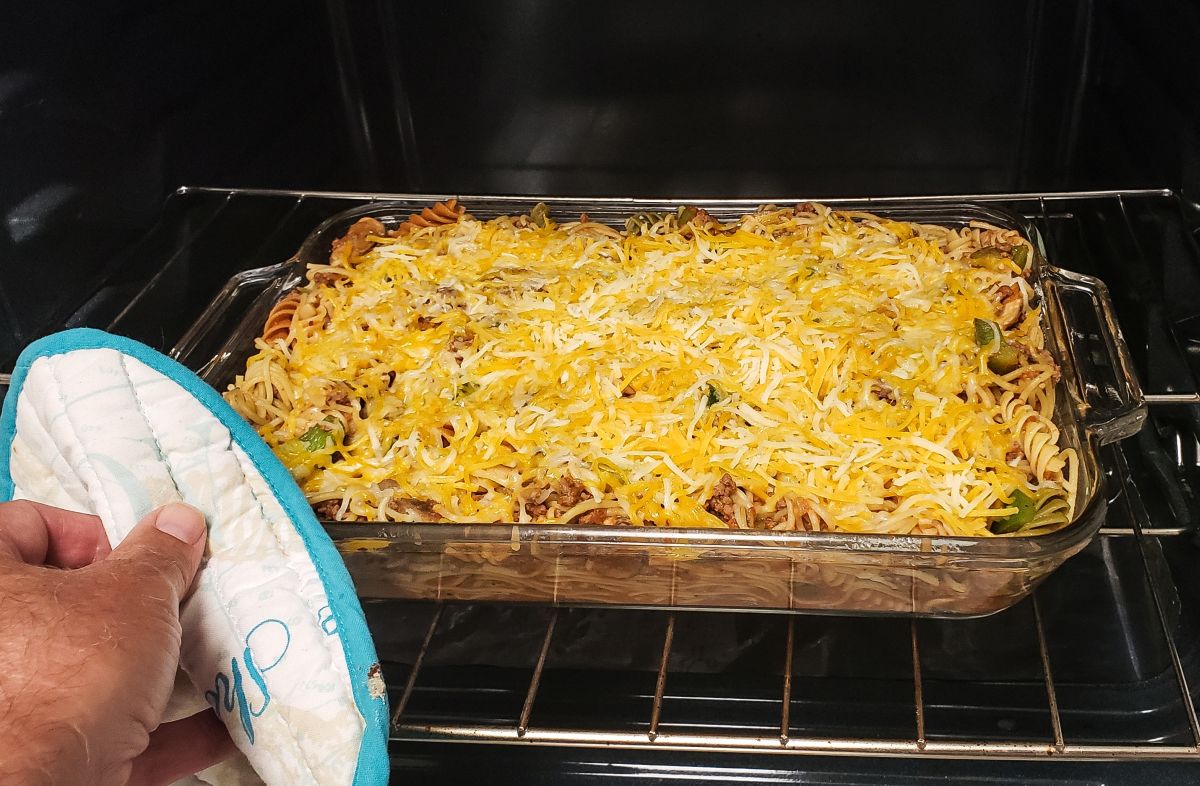
Cold granite, marble, or a damp countertop can pull heat from the bottom of a hot dish while its sides remain much warmer. That uneven cooling creates stress within the glass, a process known as thermal shock.
The risk is easy to overlook because the dish has already survived the oven. But the surface chosen for setting it down can matter as much as the temperature used for cooking.
Why a cold countertop can break oven-safe glass
Glass expands when heated and contracts as it cools. Problems arise when different sections change temperature at different rates.
Place a hot baking dish on cold stone, and its bottom begins cooling before the sides. The resulting temperature difference creates internal stress that can cause the glass to fracture or shatter.
The type of glass matters too. Many modern American Pyrex baking dishes use tempered soda-lime glass, while European Pyrex products commonly use borosilicate glass, which has greater resistance to sudden temperature changes.
In laboratory testing reported by Consumer Reports, heated soda-lime glass baking dishes broke when placed on wet granite under severe thermal-shock conditions.
That doesn't mean every hot dish will break on a cold counter. Temperature differences, glass composition, existing damage, and the surface beneath the dish all influence the risk.
The safest landing spot should be ready before baking ends
Pyrex's official care instructions warn against placing hot glassware on wet or cool surfaces, directly on countertops, or inside sinks.
Before removing a casserole or roasting dish from the oven, prepare a dry, heat-safe surface.
A suitable trivet, dry potholder, or cooling rack can keep the hot glass away from a cold countertop. Avoid damp towels, wet cutting boards, and direct contact with metal sinks.
Cold liquid presents another risk. Pouring water or broth into a hot glass dish can create a sudden temperature difference, just as placing the dish on a cold surface can.
Don't rinse hot bakeware beneath the tap. Allow it to cool before washing.
Small chips can make the problem worse
Thermal shock isn't the only reason glass bakeware can fail.
Chips, scratches, and hairline cracks can weaken a dish, giving fractures a place to begin when stress develops.
Inspect glass bakeware before use and retire pieces showing damage.
Follow the manufacturer's instructions for oven preheating, temperature limits, and permitted cooking methods. Conventional oven-safe glassware isn't necessarily suitable for stovetops, broilers, grills, or toaster ovens.
A baking dish that handles 400°F inside an oven isn't designed to tolerate every sudden temperature change outside it. Preparing a dry, heat-safe place to set it down removes one avoidable risk at the moment the casserole comes out.
Leave a Reply