


A spoonful of chicken soup can taste salty enough, yet the chicken and rice seem to have almost no seasoning. Adding more salt makes the broth stronger without fixing what's missing inside the ingredients. The problem may have started long before the final taste test. Salt dissolves into hot broth fast, but it needs more time to move into meat, vegetables, and grains.
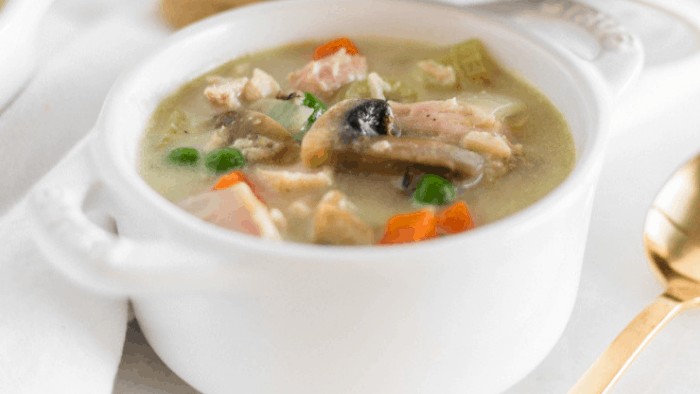
Two batches of soup can contain the same amount of salt and still taste different depending on when it was added. Side-by-side tests with chicken-and-rice soup and creamy broccoli soup showed why seasoning throughout cooking produces a more balanced result than adding everything at the end.
The broth gets salty before the ingredients do
When salt enters hot soup, it dissolves into sodium and chloride ions.
Those ions spread through the liquid, but moving into solid ingredients takes longer.
Chicken contains proteins and muscle structures that slow the movement of salt. Rice absorbs seasoned liquid as it cooks, while vegetables soften and exchange moisture with the surrounding broth.
If salt goes into the pot just before serving, the broth becomes seasoned without giving those ingredients enough time to absorb much of it.
That creates an uneven result: salty liquid surrounding relatively bland food.
Two soups received the same salt with different results
A cooking test compared two versions each of chicken-and-rice soup and creamy broccoli soup.
One batch of each received salt in stages, starting with the aromatics and continuing through simmering.
The second batch received no salt until cooking was finished.
Both versions contained the same total amount of salt.
In the chicken-and-rice soup, the batch seasoned throughout cooking had a savory broth, flavorful chicken, and rice that didn't taste bland.
The late-salted version had a sharper salty taste in the broth, while the chicken and rice remained underseasoned.
The amount of salt hadn't changed. Its distribution had.
Creamy broccoli soup showed the same difference
Cream-based soups create another challenge because fat can soften the perception of salt.
That can tempt you to add more seasoning near the end, even when the broth already contains enough.
In the broccoli soup test, early seasoning produced a rounder flavor, with the vegetable's sweetness coming through.
The batch salted at the end tasted less integrated. The broccoli seemed more bitter, and the salt stood apart from the creamy base.
Adding salt earlier gave it more time to interact with the ingredients before the soup reached the table.
Salt needs time to reach the center of the food
Seasoning soup involves more than dissolving salt into water.
Salt moves through food by diffusion, traveling from areas of higher concentration toward areas of lower concentration.
Heat speeds that movement, but it doesn't make it instantaneous.
When chicken cooks in seasoned broth, salt has time to move into the meat.
Rice hydrates in liquid that already contains seasoning, incorporating flavor as it absorbs water.
Vegetables soften during cooking, allowing salt to move through their tissues as moisture shifts.
Adding salt at the end skips much of that process.
Start seasoning when the aromatics go into the pot
The solution isn't to add a large amount of salt at the beginning.
Start with a small amount while cooking onions, carrots, celery, or other aromatics.
Add another modest amount when the broth or water goes into the pot.
As the soup simmers, taste the liquid and adjust the seasoning in stages.
This gives the ingredients time to absorb salt without committing to the final concentration before the soup has finished cooking.
The amount needed will depend on the broth, vegetables, meat, and other ingredients.
Water evaporates, but salt stays behind
Early seasoning requires some restraint.
As soup simmers, water evaporates and the liquid becomes more concentrated.
Salt doesn't evaporate with that water.
A soup that tastes balanced at the beginning can become too salty if it reduces substantially.
That's why adding salt in stages works better than putting the full amount into the pot at once.
Start with less than you expect to need, then adjust as the soup develops.
If the liquid becomes too concentrated, add water or unsalted stock to dilute it.
Additional unseasoned ingredients can also help, although they may change the soup's proportions and cooking time.
The final taste test still matters
Seasoning throughout cooking doesn't eliminate the need to taste the soup before serving.
Ingredients release flavor as they soften, broth reduces, and the balance changes during simmering.
A final adjustment can bring the finished soup into balance.
The difference is that the final addition should refine seasoning already distributed through the ingredients rather than supply all the salt at once.
If the broth tastes salty but the meat or vegetables remain bland, adding more salt to the liquid won't immediately correct the difference.
The next time you make soup, don't save all the seasoning for the last few minutes. Salt the aromatics, add a little more with the liquid, and adjust during cooking. The broth may taste seasoned within seconds, but the chicken, rice, and vegetables need more time. That's how a soup can taste too salty and still leave its main ingredients underseasoned.
Leave a Reply