


A bag of potatoes can look fine when it comes home from the grocery store, then develop pale sprouts and soft spots before you've used half of it. Keeping the bag closed in a warm kitchen may seem harmless, but potatoes continue to respond to their surroundings long after harvest. Trapped moisture, heat, and light can shorten their storage life.
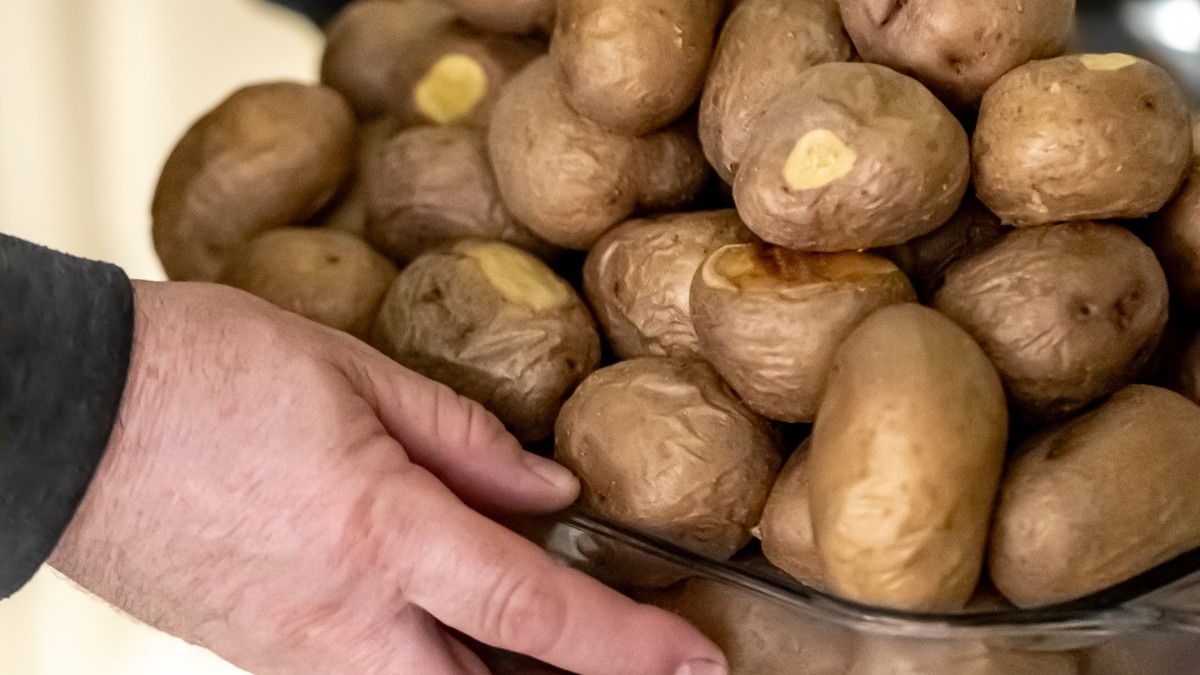
Older generations often kept potatoes in paper bags, cardboard boxes, or ventilated baskets inside cool, dark spaces. The containers weren't chosen for appearance. They allowed air to circulate while keeping light away from the potatoes.
There was another old storage trick involving an apple, although the conditions around the potatoes mattered more than the fruit placed beside them.
Plastic bags can trap the moisture potatoes don't need
Potatoes contain substantial moisture, and a sealed plastic bag limits airflow around them. Condensation can collect inside, creating damp conditions that encourage decay.
Paper bags and cardboard boxes allow more air exchange while blocking light. A basket covered with a breathable cloth can serve the same purpose.
Avoid washing potatoes before putting them into storage. Added moisture can encourage spoilage, so brush away loose dirt and wash them when you're ready to cook.
The storage space should remain cool, with temperatures around 45–50°F (7–10°C) considered suitable for keeping potatoes over longer periods.
A cool pantry, basement, or other frost-free storage area can work, provided the potatoes remain protected from light.
The apple trick had a reason behind it
Some traditional storage advice recommends placing an apple among potatoes to help delay sprouting.
Apples release ethylene, a natural plant gas involved in ripening and other growth processes.
Under controlled commercial storage conditions, sustained ethylene exposure can suppress sprout growth in potatoes.
That doesn't mean one apple in a paper bag will produce the same effect. Household temperatures, ventilation, potato variety, and ethylene exposure can change the outcome.
The apple method remains an old household practice rather than a guaranteed way to prevent sprouts.
Cool temperatures and darkness provide a more dependable starting point.
Keep potatoes away from light and warmth
A kitchen counter near a window or stove exposes potatoes to conditions that can encourage sprouting and deterioration.
Light can also cause the skin to turn green. The green pigment is chlorophyll, but greening can accompany increased levels of natural potato toxins called glycoalkaloids.
Discard potatoes with extensive greening, severe shriveling, or other signs of deterioration. Remove sprouts and surrounding affected tissue from otherwise sound potatoes, and avoid eating green portions.
For storage, choose a dark location away from heat sources and check the potatoes from time to time. Remove any showing rot before it spreads to neighboring tubers.
The old paper bag or cardboard box wasn't a complicated preservation technique. It addressed two problems that sealed plastic can create: poor ventilation and trapped moisture, while helping shield potatoes from the light.
Leave a Reply