


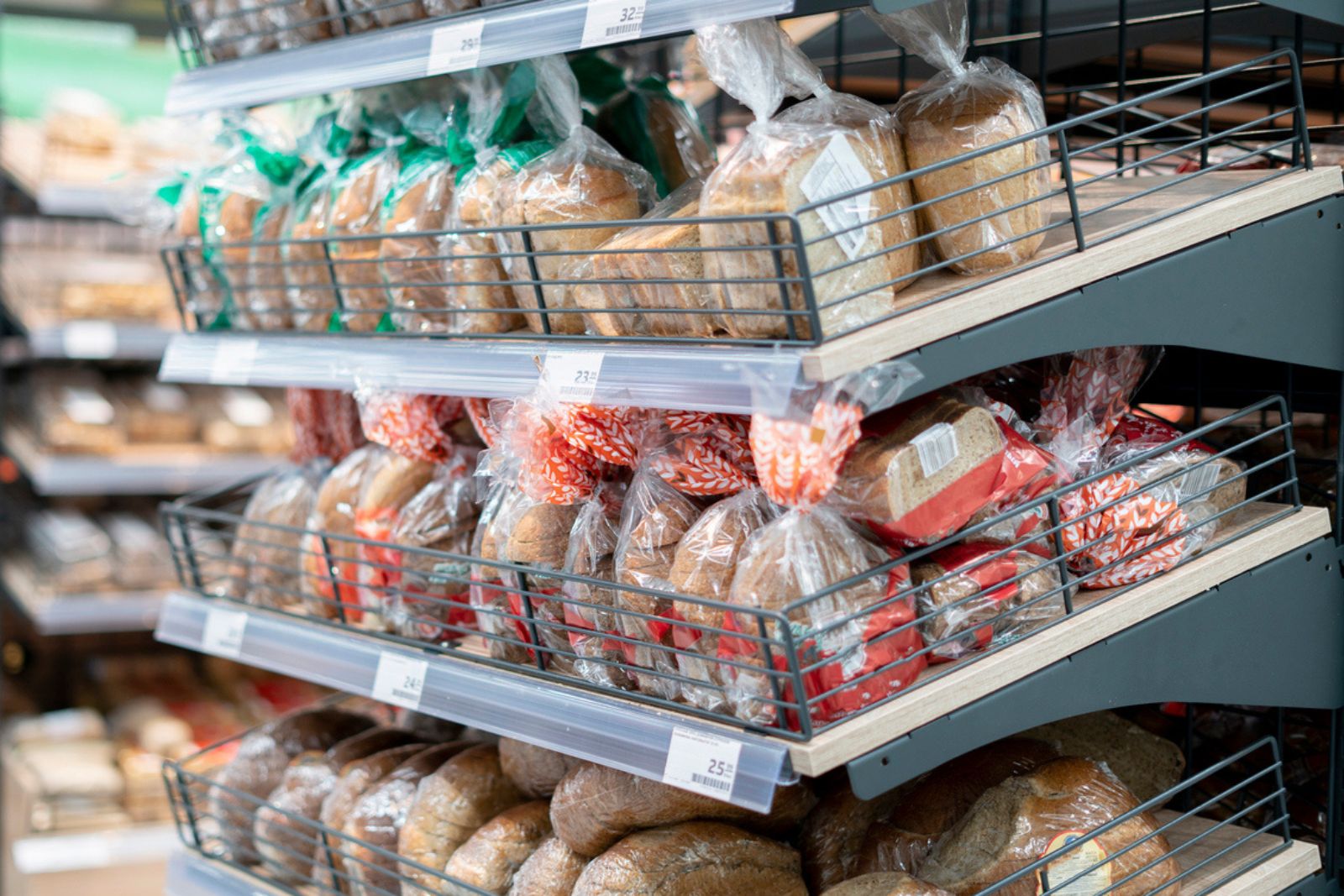
The loaf in your cart has oats on the label and a warm, homestyle look. It feels like the healthier choice next to plain white sandwich bread. Then you turn the bag over, and the first ingredient isn't oats at all.
This is not your fault. Bread packaging is designed to sound wholesome, and words like "oat," "farmhouse" and "multigrain" don't tell you how much whole grain is inside. Consumer Reports' latest bread ratings show how far a name can drift from what's in the bag.
What landed one oat loaf at the bottom
Consumer Reports rates 56 breads on criteria that include serving size, whole grains, calories and fiber. Pepperidge Farm Farmhouse Homestyle Oat Bread came in last, while Food for Life's sprouted-grain breads, including Ezekiel 4:9, earned the top score of 93.
The ingredient list explains a lot. On the Homestyle Oat label, enriched wheat flour comes first, then water, then oats, then sugar. One 49-gram slice has 130 calories, 1 gram of fiber, 4 grams of added sugar and 210 milligrams of sodium.
Ezekiel 4:9 lists sprouted wheat first, followed by other sprouted grains and legumes. A slice has about 80 calories and 5 grams of protein, with no sugar listed. It costs more: top-rated loaves run about $5.99 or more, compared with about $3 for the Homestyle Oat, roughly double.
Reading the bread label in 30 seconds
- Start with the first ingredient: Look for "whole wheat" or another "whole" grain. The nonprofit Center for Science in the Public Interest notes that "wheat flour" and "enriched wheat flour" are refined grains, essentially white flour.
- Be wary of the name: CSPI says "multigrain" just means more than one grain, and so-called oat breads typically contain more white flour than whole-grain oats.
- Check added sugar: Otherwise healthy breads add no more than a few grams of sugar per slice, if any.
- Watch the sodium: CSPI's top bread picks have no more than 120 milligrams per slice.
- Compare equal servings: Most breads list one slice as a serving, but some list two, and slice weights vary.
A "made with whole grains" claim isn't enough on its own, either. As Lively Table's guide to whole grains points out, that phrase doesn't necessarily mean a food is healthy.
Plan B if sprouted-grain bread is out of your budget: choose a loaf with a whole grain as the first ingredient and little or no added sugar. Sprouted breads are often sold frozen, so keep them in the freezer and toast slices straight from frozen.
What a last-place rating does and doesn't mean
A low rating doesn't make one sandwich unhealthy. It reflects how the bread compares on nutrition, not whether it's safe to eat. If you love a particular loaf, pair it with fiber-rich fillings like vegetables, beans or nut butter.
Sprouted-grain breads still contain wheat and gluten, and Ezekiel 4:9 lists soy among its allergens, so they aren't a fit for people with celiac disease or those allergies.
If you're managing diabetes, carbohydrates per slice matter as much as the ingredient list. A registered dietitian can help you choose breads and portions that fit your plan.
Turn the bag over, read the first ingredient, and check the sugar and sodium per slice. That's the trick.

Leave a Reply