


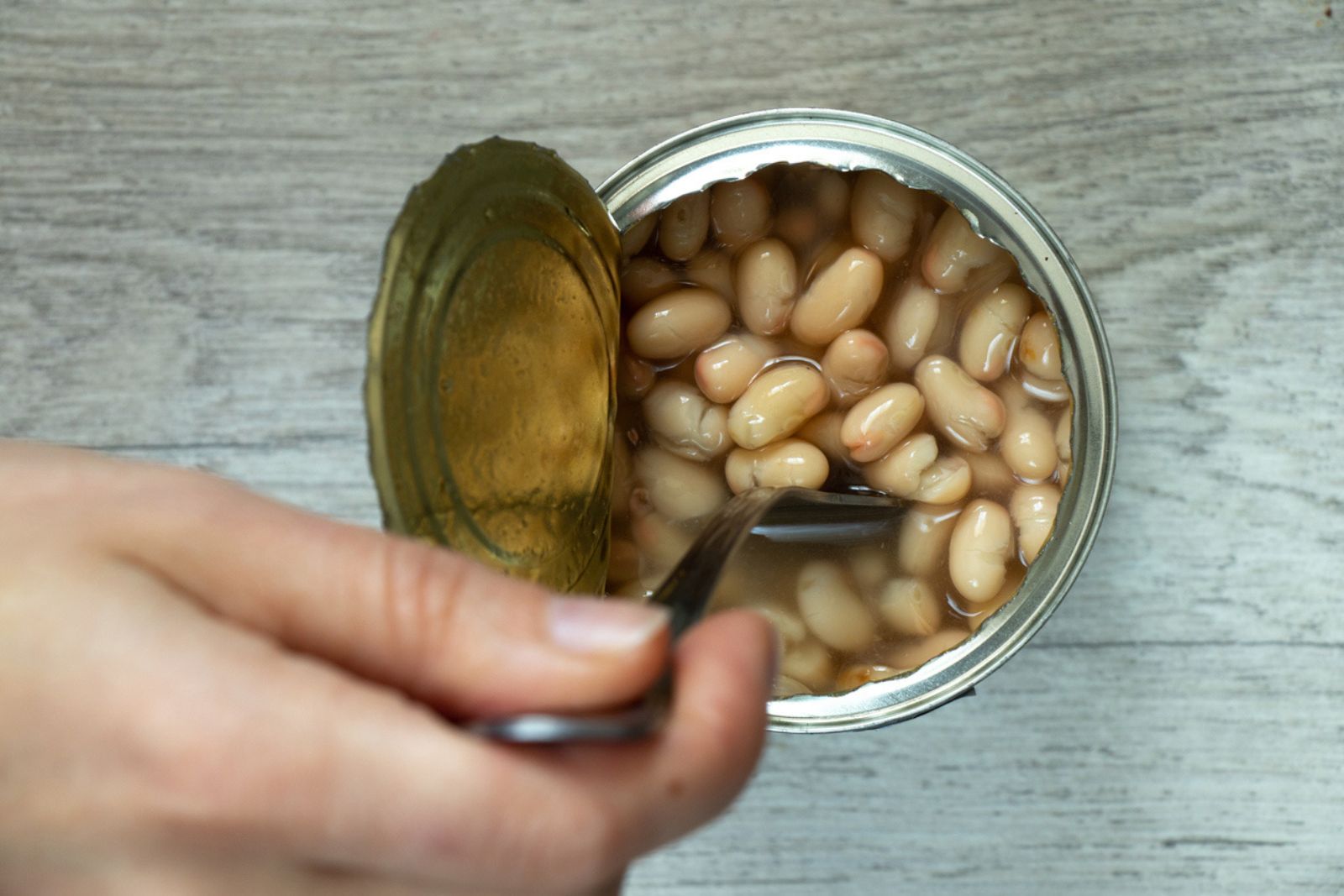
The burgers are on the grill and the canned baked beans are warming on the stove. You give them a stir and a taste: sweet, a little thin and unmistakably from a can. Next to the homemade potato salad, they look like an afterthought.
This is not your fault. Canned baked beans are made to be ready in minutes, so they never get the long, slow simmer that gives homemade beans their depth. A small spoonful of molasses from the back of the pantry can make up a lot of that difference.
Why canned beans taste one-note
Most canned baked beans lean on brown sugar for their sauce. Bush's Original Baked Beans, for example, list prepared navy beans, water and brown sugar as their first three ingredients, according to the company's listing in USDA FoodData Central. That gives the sauce sweetness, but not much else.
Molasses brings what's missing. It adds caramelized, slightly burnt notes and a touch of bitterness that balances the sugar, and it thickens the sauce so it clings to the beans. The result tastes closer to a pot that has simmered for hours.
The type matters. Grandma's Molasses describes its Original as amber and suited to sweetening, and its Robust as more concentrated, with a richer flavor meant for slow-cooked dishes like baked beans or barbecue sauce. Tasting Table suggests skipping blackstrap molasses here, since some people find it too bitter.
Doctoring a can, step by step
- Warm the beans. Pour one 28-ounce can of baked beans into a saucepan and set it over medium-low heat.
- Add the molasses. Stir in about ½ tablespoon of light or dark molasses as the beans heat. Robust works well if you want a deeper flavor.
- Simmer briefly. Let the beans bubble gently for a few minutes, stirring often so the sauce doesn't stick, until it looks thicker and glossier.
- Taste before adding more. Too much molasses can overpower everything else, so add a little at a time.
- Balance it. A splash of apple cider vinegar or a spoonful of mustard can brighten the sweetness if it tastes too heavy.
Plan B if you have an hour and dry beans or a few plain cans of navy beans: make them from scratch. Lively Table's homemade baked beans use ¼ cup of molasses with brown sugar and ketchup, and a shortcut version starts with four 15-ounce cans of navy beans.
The sugar and salt already in the can
Molasses is a sugar, so this trick adds a little more sweetness to a food that already has plenty. Bush's Original Baked Beans list 11 grams of added sugar and 570 milligrams of sodium per ½-cup serving, according to the company's USDA FoodData Central record. That's 22% and 25% of the Daily Values.
Keep the molasses to a small amount, and if you're watching added sugar or sodium, look for reduced-sugar or lower-sodium canned baked beans if your store carries them, or rinse plain canned beans and season them yourself. If you're managing diabetes, count baked beans toward your carbohydrates for the meal.
Beans still bring something worthwhile: that same ½ cup of Bush's beans has 5 grams of fiber and 7 grams of protein. Check the label for allergens, since some canned baked beans contain bacon, mustard or other add-ins.
A half tablespoon of molasses, a gentle simmer and a taste before serving. That's the trick.

Leave a Reply