


Bananas can leave the grocery store with bright yellow peels and develop brown spots within days of sitting on the kitchen counter. Moving them into the refrigerator seems like the obvious way to slow the change, but cold storage can darken the skins even when the fruit inside remains good. Another storage trick focuses on a part of the bunch most people overlook: the joined stems.
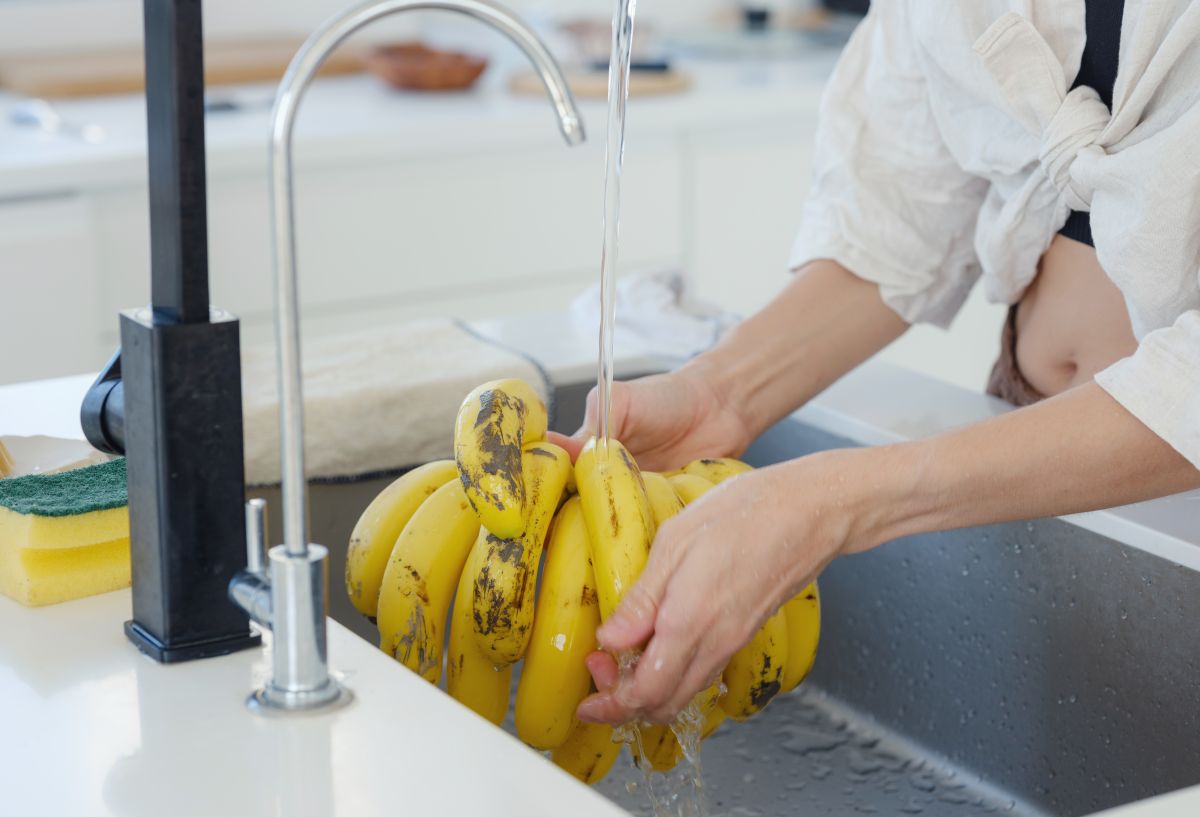
Wrapping the crown of a banana bunch with plastic wrap, foil, or waxed cloth is a household method intended to slow ripening. The idea involves ethylene, a natural plant hormone that bananas produce as they mature and that helps trigger the changes responsible for softening and color development.
The method doesn't guarantee weeks of yellow bananas, but it offers a different approach to storage without wrapping each piece of fruit or buying a special container.
The stems are the focus of the wrapping trick
Bananas continue ripening after harvest, releasing ethylene as part of that process.
Ethylene helps regulate changes in the fruit, including the breakdown of starch into sugars, softening of the flesh, and changes in peel color.
Produce storage specialist Amy Cross recommends keeping the protective wrapping around the joined stems for as long as possible, or replacing it with a tight covering.
To try the method, keep the bananas together as a bunch and wrap the crown where the stems meet with a small piece of plastic wrap, aluminum foil, or waxed cloth.
Press the covering around the stems without damaging the fruit.
The theory is that covering this area may limit some ethylene movement, although bananas also release ethylene through other tissues. The source doesn't establish how much longer stem wrapping keeps bananas yellow compared with leaving them uncovered.
Where the bananas sit still matters
A wrapped stem won't compensate for a hot kitchen counter or direct sunlight.
The storage advice recommends a cool, dry, ventilated location around 60–68°F (15–20°C), away from ovens, radiators, and sunny windows.
A banana hanger can keep the fruit off the counter and reduce pressure on the lower bananas, helping prevent bruising.
Keep bananas away from other ethylene-producing fruits when you want to slow ripening. Apples, pears, avocados, and tomatoes can contribute to the ethylene present around stored produce.
The wrapping technique is one part of the routine, while temperature and storage conditions continue to influence how fast the bananas mature.
The refrigerator becomes useful once bananas are ripe
Green bananas are sensitive to cold temperatures, which can interfere with normal ripening and damage their peels.
Once bananas reach the ripeness you prefer, refrigeration can slow further softening.
The skins may turn brown or black in the refrigerator, but that color change doesn't mean the flesh has spoiled.
For longer storage, peel ripe bananas, cut them into pieces, and freeze them for smoothies or baking.
Discard bananas showing mold, a fermented odor, or significant signs of decay rather than judging freshness by peel color alone.
The stem-wrapping method draws attention to an overlooked part of banana storage, but it isn't a proven guarantee of three weeks without browning. Keeping bananas away from heat, allowing air circulation, and refrigerating them once ripe remain important parts of managing their shelf life.
Leave a Reply