


Frozen vegetables can go straight from the freezer into a hot oven and still come out soft, pale, and covered in water. Thawing them first seems like a solution, but it can leave even more moisture on the surface. The difference may come from something most people overlook before adding the vegetables: the temperature of the baking sheet.
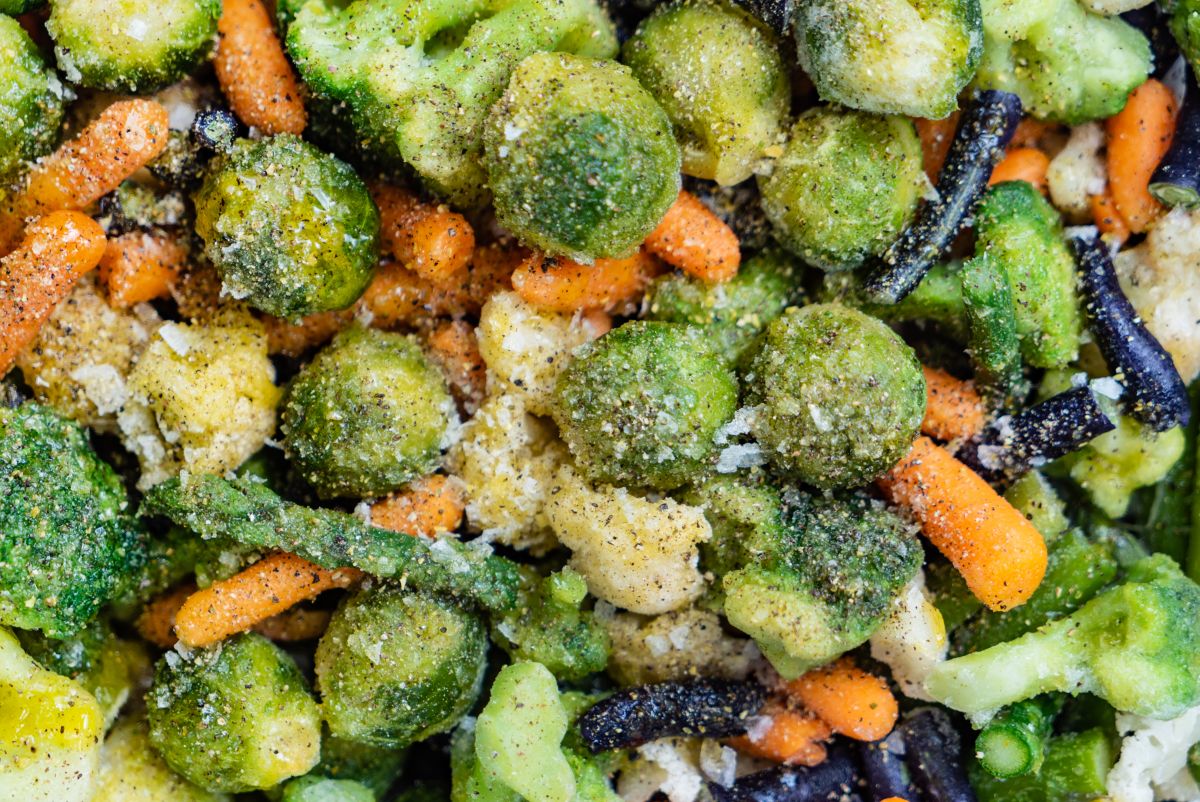
A preheated metal tray gives frozen broccoli, carrots, and other vegetables immediate contact with a hot surface. Instead of sitting on a cold pan while the oven warms everything together, the vegetables begin losing surface moisture as soon as they touch the metal.
The method uses olive oil, seasonings, and an oven heated to 425°F (220°C). No thawing or boiling is required, but the vegetables need enough space for moisture to escape rather than collect beneath them.
The baking sheet goes into the oven before the vegetables
Frozen vegetables contain ice crystals that turn into water as they heat. When the pieces sit close together or cook in excess liquid, they tend to steam instead of developing browned edges.
Preheating the baking sheet helps the metal transfer heat to the vegetables from the moment they make contact.
Set the oven to 425°F (220°C) and place an empty metal baking sheet inside while it heats. Use a sturdy, uncoated sheet suitable for preheating.
While the oven warms, toss about 500 grams of frozen vegetables with two tablespoons of olive oil, one teaspoon of garlic powder, one teaspoon of smoked paprika, and salt and pepper.
Keep the vegetables frozen until they're ready to roast.
Spread them across the hot tray in a single layer, leaving space between the pieces. The pan will be hot, so use oven mitts when handling it.
Crowding the tray can undo the advantage
A hot baking sheet helps moisture evaporate, but packing vegetables into a thick layer can trap steam between them.
Broccoli florets and carrot pieces need exposed surfaces to develop color. When piled together, they release water into the same small area, slowing browning.
Roast for approximately 20 minutes, then turn the vegetables and continue cooking for another 10–15 minutes, until the edges develop color and the pieces reach the desired tenderness.
Cooking times vary with vegetable type and size. Dense carrots may need longer than smaller broccoli florets, while delicate vegetables can cook faster.
The goal isn't to remove every trace of moisture. It's to allow enough water to evaporate for the exposed surfaces to brown.
The bag of vegetables matters too
Frozen vegetables that move freely inside the bag are easier to spread across a baking sheet than pieces frozen into one solid block.
Heavy ice buildup or large frozen clumps can indicate that the product experienced temperature changes during storage, potentially affecting its texture.
Choose plain frozen vegetables when possible, then add oil and seasonings at home to control the flavor.
After roasting, a squeeze of lemon, grated Parmesan, or chili flakes can finish the dish without adding moisture during cooking.
The important change happens before the vegetables enter the oven. A hot baking sheet, a single layer, and enough roasting time give frozen vegetables a better chance of developing browned edges without the extra step of thawing.
Leave a Reply