


Opening the refrigerator can release a mix of leftovers, cut onions, and a smell you cannot place. An open box of baking soda is a familiar response, taking up a corner of the shelf while the powder stays exposed to the air.
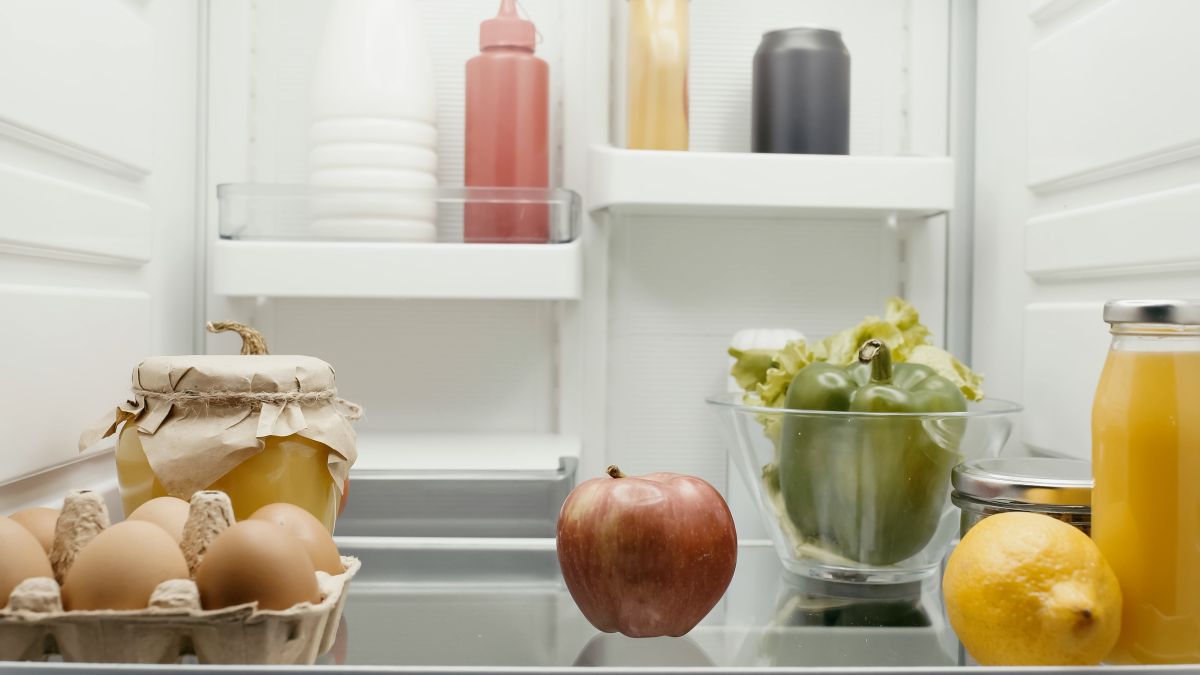
But if the smell keeps returning, should you replace the box or look for something else inside the appliance?
Baking soda can help control food odors, but it cannot remove the food or spills producing them. Both UF/IFAS and the USDA recommend an open box as an odor-control measure alongside refrigerator cleaning.
Why the Box Needs to Stay Open
The powder needs exposure to the refrigerator’s air to serve its purpose. A sealed package sitting beside the milk keeps its contents enclosed, so leaving the box unopened misses the point of the method.
UF/IFAS includes an open box of baking soda in its guidance on household alternatives with lower toxic effects. The recommendation involves placing it inside the appliance, without mixing it with other ingredients or spreading powder across the shelves.
Choose a stable spot where the box can remain upright and uncovered, with enough room to move food without knocking it over.
The Smell May Lead You to a Hidden Spill
An odor that persists deserves a check beneath containers, inside drawers, and around shelf edges. Replacing the baking soda leaves those areas untouched, even when a small amount of food residue is the source.
Remove the contents from the affected section so you can inspect and clean it. Lift out removable shelves and drawers where the appliance instructions allow, rather than wiping around whatever remains in place.
UF/IFAS recommends washing removable refrigerator parts with hot water and dish soap, treating them much like dishes.
Food Storage Does Part of the Work
An uncovered dish keeps sharing its aroma with the space around it, so a box on another shelf cannot replace a lid on the food itself.
The USDA recommends covered containers or sealed storage bags for refrigerated food, along with wiping up spills as they occur. These habits address what enters the refrigerator’s air and what remains on its surfaces.
Use the baking soda as a supporting measure after checking containers and cleaning residue, especially when the same smell returns each time you open the door.
It Cannot Make Spoiled Food Safe
Reducing an odor does not restore food that has spoiled, and a fresh-smelling refrigerator does not prove that everything inside is safe to eat.
The USDA distinguishes between spoilage bacteria, which can produce changes in smell, taste, and texture, and pathogens that cause foodborne illness. Odor control is not a food-safety test, so storage time and temperature still matter.
Strong Lingering Odors Need More Than a Box
Food that spoils during a power outage can leave odors behind after it has been removed. In that situation, the USDA advises cleaning removable parts and the interior, including the door and gasket, as part of a more thorough odor-removal process.
Before giving another box space on the shelf, check whether the source is still present. Baking soda can help with the air inside a clean refrigerator; cleaning reaches the residue the open box leaves behind.
Sources: UF/IFAS — Household Alternatives, UF/IFAS — Kitchen Cleanups, USDA — Refrigeration and Food Safety, USDA — Removing Refrigerator and Freezer Odors, USDA — Bacteria in the Refrigerator.
Leave a Reply