


Missing shallots can send you toward the onions already in your kitchen, but the right replacement depends on where they are going. A sauce that simmers on the stove gives a stronger onion time to soften, while a salad dressing carries its bite straight to the plate.
Does the onion that looks most like a shallot make the best substitute, or does cooking change the choice?
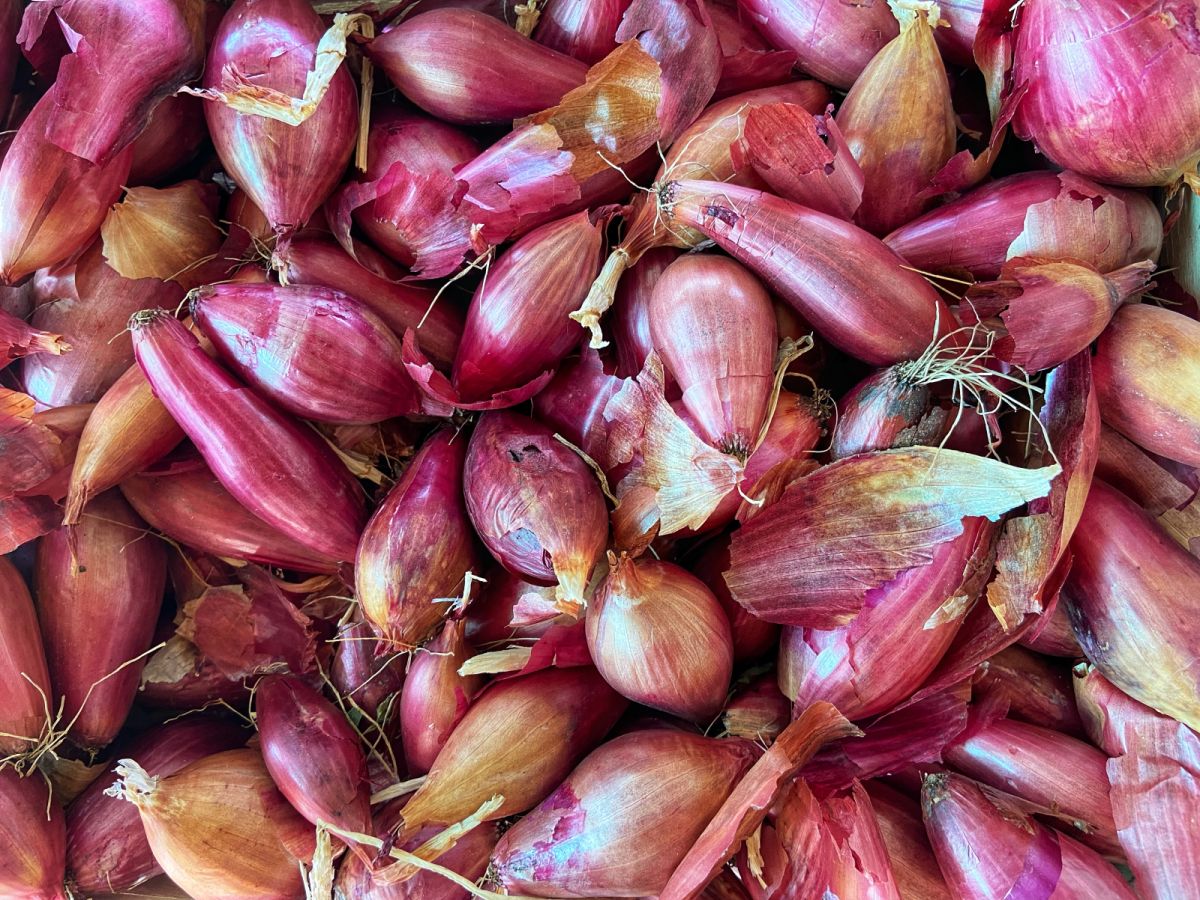
Start with whether the recipe uses shallots cooked or raw, then consider how much of the dish depends on them. A small amount in a soup leaves room for a swap; a tray of roasted shallots makes the ingredient harder to replace.
Yellow Onions Fit Cooked Sauces and Soups
Yellow onions are a practical choice when chopped shallots form the base of a sauce, soup, or braise. Cooking softens their texture and takes the edge off their flavor, helping them blend into the dish.
Use a small yellow onion in place of two to three small shallots as a starting point, adjusting for size. If the recipe gives a weight or chopped volume, match that amount instead of relying on the number of bulbs.
Keep the pieces small and allow them to soften before adding the next ingredients, especially when the finished sauce needs a smooth texture.
Sweet Onions Need Attention to Texture
Vidalia, Walla Walla, and Maui onions can stand in for shallots in cooked dishes, though their larger pieces may need more time in the pan.
A small sweet onion can replace about three small shallots, with the amount adjusted to suit the recipe. Cut it into small pieces so the substitution does not leave chunks where the dish calls for a finer texture.
White onions offer another option, but their sharper bite makes cooking them down worth the extra attention before they go into a sauce or filling.
Red Onions Make More Sense in Raw Dishes
The purple skin can make red onions seem like the closest match, but appearance does not decide how a substitution tastes.
For salads, garnishes, and dressings, red onion can supply the bite that raw shallots bring. Begin with less than the amount of shallot called for, taste, and add more if the dish needs it.
Cutting the onion into small pieces helps distribute its flavor, reducing the chance that one mouthful carries most of the bite. For cooked recipes, yellow or sweet onions are the more useful starting point.
Scallions Give You Two Parts to Work With
Scallions can replace shallots when a dish needs a mild onion flavor, whether stirred into a cooked preparation or scattered over food before serving.
The white bulb gives the closer flavor match, while the green stalk contributes a grassier note. Choose the part that suits the dish instead of treating the whole scallion as one uniform ingredient.
Chives also work in dressings and as a finishing ingredient, but they contribute small green pieces rather than the chopped bulb texture of a shallot.
Leeks Suit Dishes That Give Them Time to Soften
Leeks bring a mild, sweet flavor to soups, sauces, and fillings, making them another option when the substitute will be cooked.
Use the white and light green sections, rinse between the layers to remove grit, and slice them thin. The dark green tops have a tougher texture, so they are less suited to replacing chopped shallots in a finished dish.
For recipes built around small roasted onions, pearl or cipollini onions can preserve more of that whole-bulb format than a chopped large onion.
Onion Powder Replaces Flavor, but Leaves a Gap
A spice drawer can help when fresh onions are missing, though onion powder cannot supply the pieces or texture that shallots would add.
Use it when the recipe needs an onion note in a sauce, dressing, or seasoning mixture, starting with a small amount and tasting before adding more. Dried minced onion offers some texture after hydration, but it still changes the result.
When shallots are the main ingredient, the substitution matters more. A small addition can be adjusted around the other flavors; a dish centered on roasted, caramelized, or crisp shallots benefits from having the intended ingredient.
Leave a Reply