


Tomatoes often leave the grocery store looking firm, bright, and full of flavor. A few days later, many end up grainy, bland, and disappointing despite showing few signs of spoilage.
The surprising culprit is often the refrigerator.
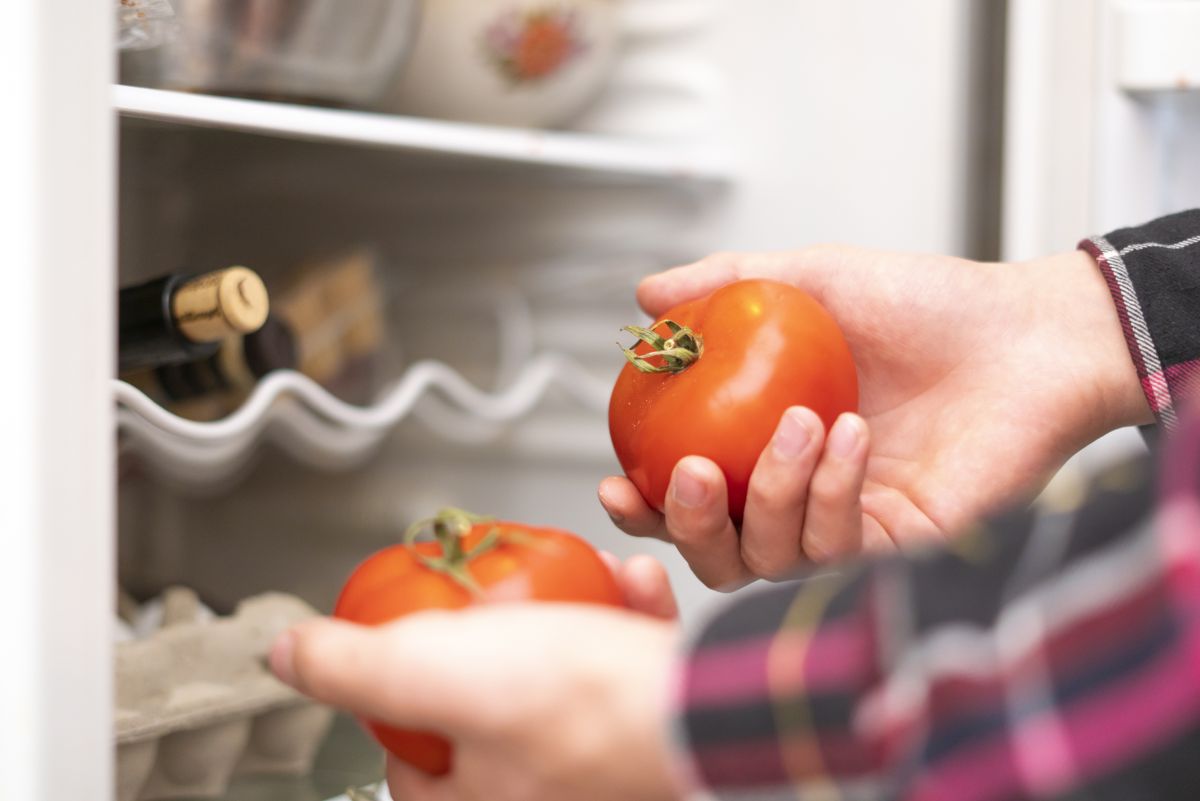
For years, people treated tomatoes like most produce: bring them home, place them in the refrigerator, and expect them to stay fresh longer. The problem is that tomatoes respond to cold temperatures differently than many fruits and vegetables.
Cold Temperatures Started Changing Tomato Texture
One of the biggest problems begins inside the tomato itself.
Cold temperatures affect the internal cell structure, which can lead to the soft, mealy texture many people notice after refrigeration. The tomato may still look perfectly fine from the outside, but the eating experience changes completely.
That texture loss is one reason garden tomatoes often taste dramatically better than supermarket tomatoes stored under colder conditions.
Refrigeration Started Reducing Tomato Flavor
The damage goes beyond texture.
Tomatoes depend on aromatic compounds to create sweetness, freshness, and depth of flavor. Cold temperatures suppress those compounds, making tomatoes taste flatter even when they remain visually appealing.
Many people assume the tomato variety is responsible when the real issue started after storage.
Decorative Fruit Bowls Started Creating Problems Too
The refrigerator is not the only storage mistake.
Large bowls filled with stacked tomatoes can trap moisture and create pressure points where bruising begins. Direct sunlight creates another issue by heating the fruit unevenly and accelerating soft spots.
Tomatoes stored in deep bowls often deteriorate faster than tomatoes arranged in a single layer with room around them.
Airflow Started Matter More Than Sealed Storage
Many people focus on protecting tomatoes from air.
Tomatoes actually benefit from airflow during storage. Plastic bags and sealed containers can trap humidity, creating moisture that speeds breakdown.
A countertop location with decent airflow and protection from direct sunlight often helps preserve both texture and flavor while tomatoes continue ripening.
Ripeness Started Determining The Best Storage Method
Not every tomato belongs on the counter forever.
Tomatoes that still need time to ripen usually perform best at room temperature. Once fully ripe, refrigeration can help slow further deterioration if they cannot be used immediately.
The difference is timing. Refrigeration works best after peak ripeness rather than before it.
Flavor Started Matter More Than Shelf Life
Many people focus on making tomatoes last longer.
The bigger goal is preserving what makes tomatoes worth eating in the first place: sweetness, aroma, juiciness, and balanced texture.
A tomato that survives extra days in the refrigerator but loses much of its flavor has not necessarily improved. It has simply lasted longer.
Do you keep tomatoes on the counter or in the refrigerator? Share the storage method that gives you the best flavor at home and send this to someone who stores every tomato in the fridge.
Leave a Reply