


Chocolate chip cookies depend on sugar, butter, and chocolate, but some bakers are adding an ingredient better known for soups, sauces, and savory dishes. A small amount of MSG can join the cookie dough, bringing umami to a dessert built around sweet and rich flavors.
The idea does not require enough MSG to make the cookies taste savory. About a quarter to half a teaspoon can be added to a batch, where it works beside the salt and chocolate rather than taking over the flavor.
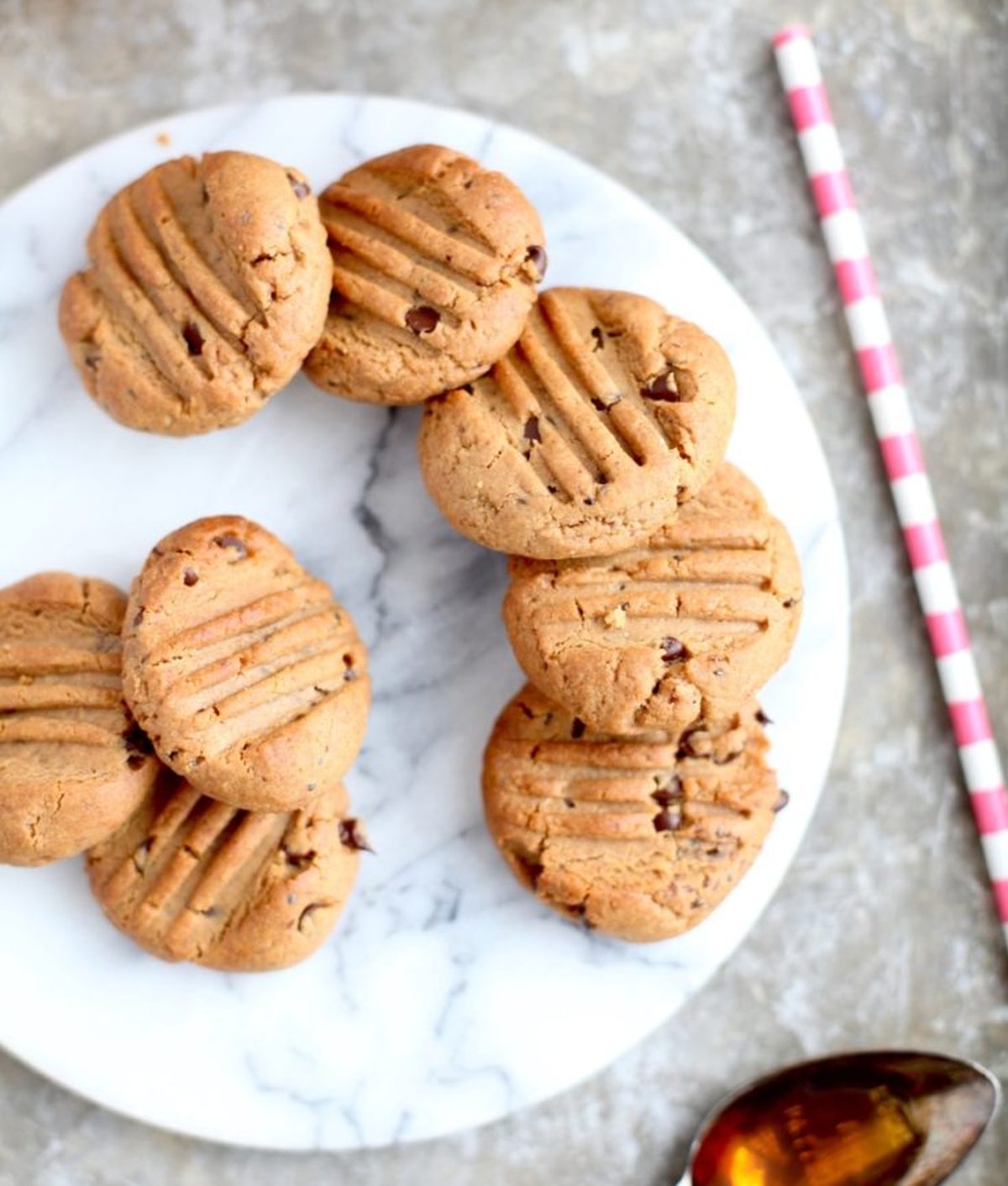
It follows a broader approach already used in desserts, where salt, miso, and other savory ingredients create contrast against sugar.
MSG Brings Umami Into Cookie Dough
MSG, or monosodium glutamate, contains glutamate, a component associated with umami taste. It appears in savory cooking because it can strengthen flavors without adding another herb, spice, or sauce.
Chocolate chip cookies give it a less expected setting. Instead of seasoning broth or vegetables, a small amount enters dough containing butter, sugar, flour, and chocolate.
The goal is not to turn a cookie into a savory snack. MSG becomes one part of the seasoning behind the chocolate and sugar.
A Small Amount Is Enough
MSG does not need to replace a major ingredient in the cookie dough. A quarter to half a teaspoon for a batch is enough to test the combination without making the seasoning the focus.
That restraint matters because the cookie still needs to taste like a chocolate chip cookie. Butter, brown or white sugar, vanilla, and chocolate remain the dominant ingredients, while MSG sits behind them.
Bakers can also start at the lower end of the range before deciding whether another batch needs more.
Sweet Desserts Already Use Savory Contrast
A savory addition to chocolate may sound unusual, but desserts often use salt to keep sweetness from dominating every bite. Salted caramel and chocolate topped with flaky salt use the same contrast in a form most people already recognize.
MSG takes that idea in another direction by adding umami rather than the same taste delivered by salt. The two seasonings are not interchangeable, even though both can appear in the same cookie.
Miso offers another example of umami entering dessert, with its fermented flavor used in cookies, caramel, and other sweets.
Chocolate Makes Room for Stronger Flavors
Chocolate can handle ingredients beyond sugar because it already carries bitterness and roasted notes alongside sweetness. That gives bakers room to experiment with small amounts of ingredients that might stand out more in a plain sugar cookie.
MSG can sit among those background flavors without changing the structure of the recipe. There is no new filling, frosting, or baking method required; the adjustment happens in the seasoning.
That makes the experiment less about reinventing chocolate chip cookies and more about changing what supports the chocolate.
MSG Doesn't Have to Make Cookies Taste Savory
Adding MSG to cookie dough sounds like a much larger change than it needs to be. Used in a small amount, the seasoning is there to add another taste component rather than replace the sweet profile of the cookie.
Chocolate, butter, sugar, and vanilla still define the dessert, while MSG adds umami behind them. For a cookie that has seen upgrades ranging from flaky salt to miso, a pinch of savory seasoning is another way bakers are changing what goes into a familiar batch.
Leave a Reply