


Many people chase the same version of cheesecake without realizing it: dense but creamy, rich without feeling heavy, smooth enough to slice cleanly while still keeping soft texture inside.
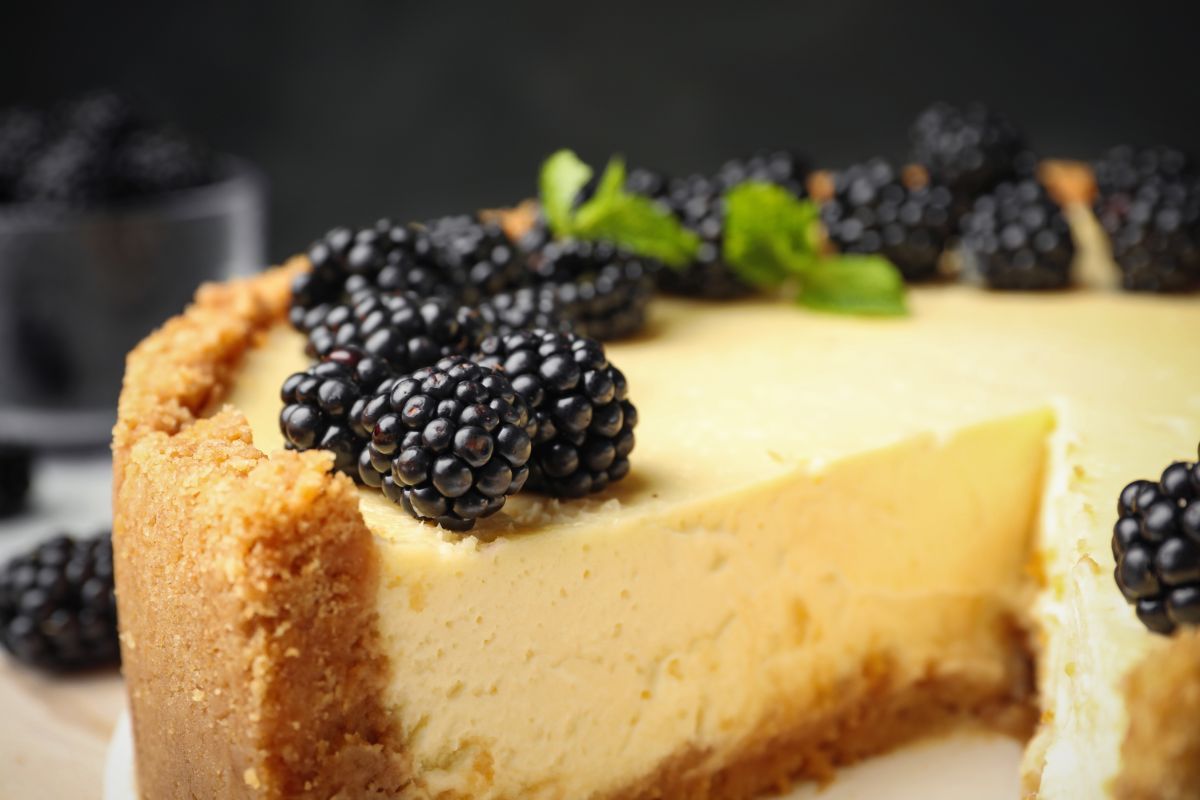
The surprising part is that most failed cheesecakes do not come from bad recipes. The real difference usually comes from technique. Small mistakes with mixing, heat, and cooling quietly change the texture long before the cheesecake reaches the refrigerator.
Overmixed Batter Started Ruining Cheesecake Texture
One of the biggest mistakes happens before baking even begins.
Many home bakers treat cheesecake batter like cake batter and whip too much air into the mixture. That extra air expands in the oven, causing puffing, cracking, and sinking as the cheesecake cools.
Bakery cheesecakes work differently. The batter gets mixed only until smooth because the goal is dense creamy texture, not volume.
High Oven Heat Started Destroying Creamy Centers
Temperature changes the entire cheesecake structure.
When ovens run too hot, the edges cook too fast while the center continues rising. That imbalance creates dry outer texture, cracked tops, and uneven consistency.
Bakery-style cheesecakes almost always bake low and slow to keep the texture stable from edge to center.
Water Baths Started Creating Bakery Texture
Many people skip water baths because the process feels unnecessary or complicated.
The water bath turns out to be one of the biggest differences between home cheesecakes and bakery versions. Moist heat protects the cheesecake from harsh oven temperature while helping the center bake evenly without drying out.
That controlled environment helps create the dense velvety texture most people associate with professional cheesecake.
Cooling Too Fast Started Cracking Cheesecakes
The mistakes often continue after baking ends.
Moving cheesecake directly from the oven onto a cold counter creates sudden temperature shock that can cause cracks and sinking centers. Professional bakers cool cheesecakes in stages instead.
The cheesecake rests inside the turned-off oven first, then cools at room temperature before refrigeration. That slower temperature drop helps protect the structure.
Full-Fat Dairy Started Matter More Than Fancy Ingredients
Many people assume bakery cheesecakes rely on secret ingredients.
Most use the same basics found in home kitchens: cream cheese, eggs, sugar, and sour cream. The bigger difference comes from fat content and technique.
Full-fat dairy creates richer texture and better stability during baking, while lower-fat products introduce more water and softer structure.
Cheesecake Texture Started Depending More On Technique Than Recipes
Part of the surprise comes from how small details affect the final result.
Mixing too much air into the batter, rushing cooling, skipping water baths, or baking too hot can completely change texture even when the ingredient list looks perfect.
That explains why some homemade cheesecakes taste closer to dense custard while others develop the smooth bakery-style texture most people try to recreate.
What cheesecake mistake changed your results the most? Share your biggest cheesecake lesson in the comments.
Leave a Reply