


Food containers get stacked neatly. Dates get written on lids. Expiration timelines get memorized. Yet leftovers still end up in the trash sooner than expected.
Most people never consider where those containers land inside the refrigerator. One shelf experiences more warm-air exposure than the rest of the cabinet, creating conditions that shorten the life of cooked food without anyone noticing.
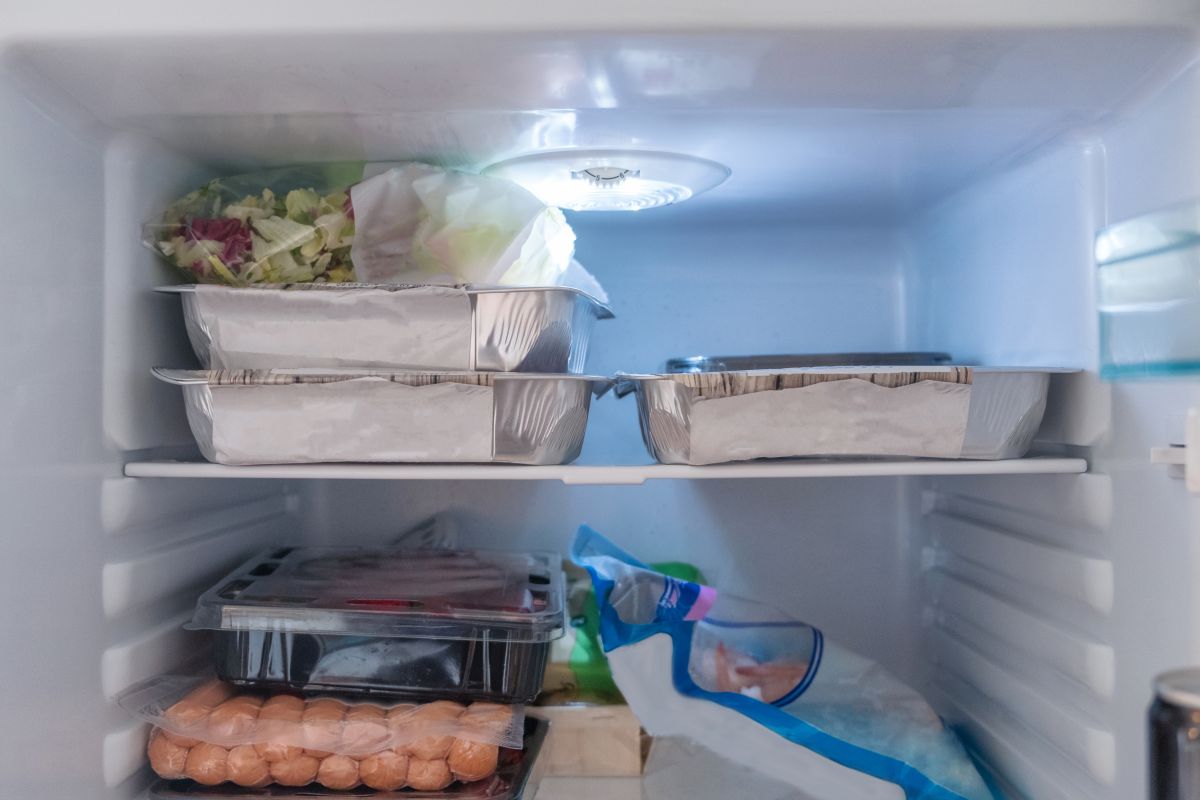
Refrigerator Temperatures Are Not Equal
Cold air does not stay evenly distributed.
Each time the door opens, warmer room air enters and rises toward the upper portion of the refrigerator. Cold air settles lower, creating different storage zones throughout the cabinet.
Some shelves remain colder for longer periods than others.
Top Shelf Receives The Most Temperature Changes
Convenience makes the top shelf attractive.
Containers stay visible, easy to reach, and easy to organize. The problem comes from repeated exposure to warm air entering the refrigerator throughout the day.
Cooked foods sitting near the top experience more fluctuation than foods stored lower down.
Leftovers Need Consistent Cold Temperatures
Cooked food benefits from stability.
Roasted chicken, pasta, casseroles, rice dishes, soups, and dairy-based leftovers last longer when temperatures remain consistent. Frequent warming and cooling accelerate deterioration and reduce storage time.
Small changes become significant over several days.
Lower Shelves Protect Food Better
Cold air naturally settles near the bottom.
Middle and lower shelves stay colder and experience less disruption when the refrigerator door opens. Those conditions make them better locations for leftovers that need several days of storage.
Placement alone can extend freshness.
Refrigerator Doors Create A Different Problem
Door compartments look convenient.
Milk, condiments, beverages, sauces, and snacks move in and out throughout the day, exposing that entire section to constant temperature shifts. While ketchup and mustard tolerate those changes, cooked leftovers do not.
The door remains one of the worst places for prepared food.
Raw Meat Belongs Below Everything Else
Food safety follows a different rule.
Raw poultry, beef, pork, and seafood belong on the lowest shelf where leaks cannot contaminate ready-to-eat foods. That leaves the shelf directly above as one of the best locations for leftover meals.
Organization improves safety and storage life at the same time.
One Refrigerator Habit Makes A Bigger Difference Than New Containers
Many people focus on storage solutions.
The shelf often matters more than the container. Moving leftovers from the top shelf to the lower-middle section takes less than a minute and helps keep food in the coldest, most stable part of the refrigerator.
Sometimes the reason leftovers spoil early has nothing to do with what they are stored in and everything to do with where they are stored.
Leave a Reply