


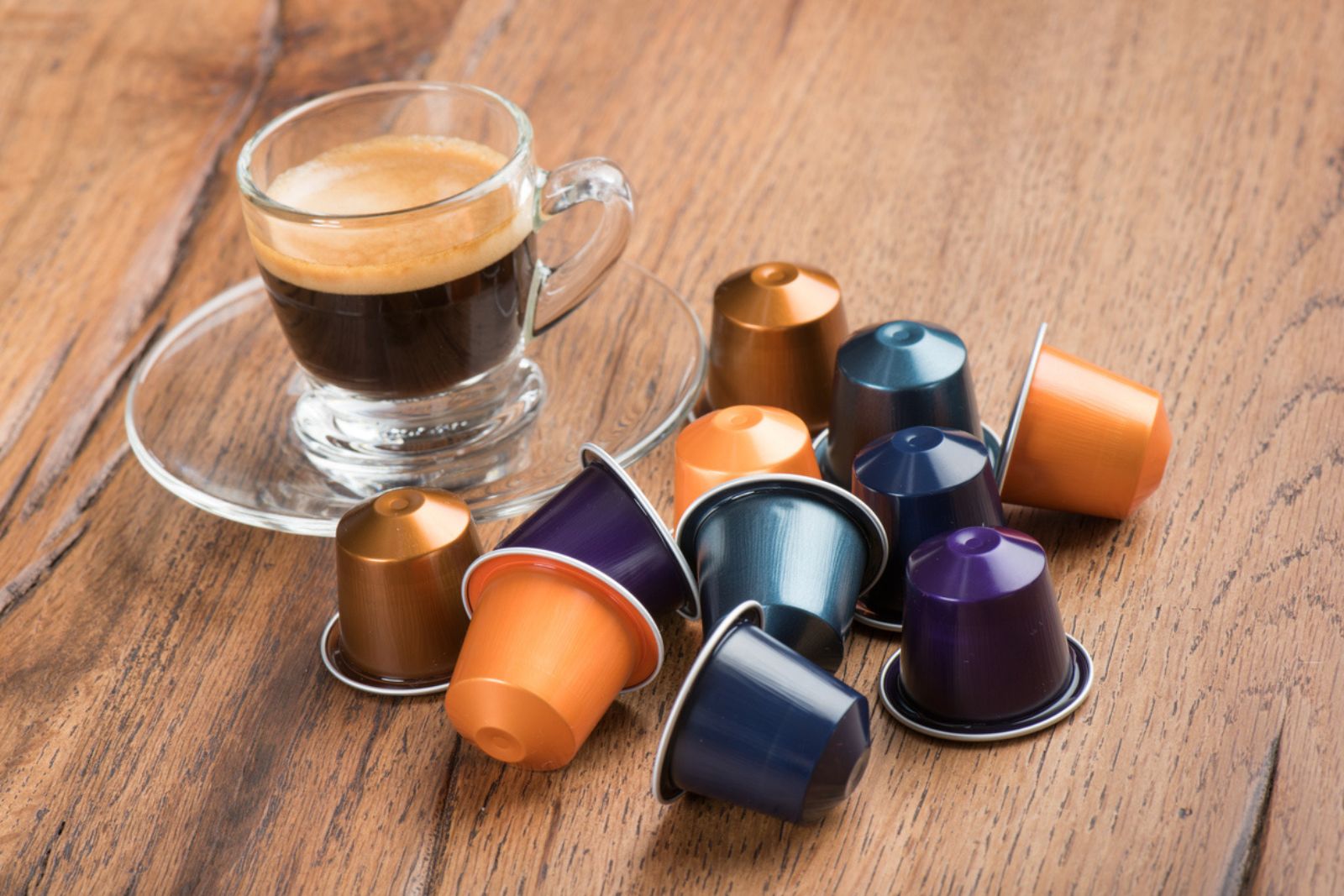
It's 6:45 a.m. You drop a plastic pod into the machine, press the button and watch near-boiling water push through it into your mug. Then you remember the headline you scrolled past last night about microplastics, and the first sip doesn't feel quite as comforting.
This is not your fault. Single-serve pods became the default because they're fast and tidy. But coffee companies are now selling ways to make a quick cup without the plastic pod, and you don't have to buy an expensive new machine to cut back.
Why the pod in your machine became a worry
Concern about microplastics is widespread. In a May 2025 poll of 1,030 U.S. adults, the environmental group 5 Gyres found that 90% were concerned about microplastics in the human body.
The science on health effects is still developing. According to the FDA, current scientific evidence does not demonstrate that the levels of microplastics or nanoplastics detected in foods pose a risk to human health, and the agency says more research is needed. Still, many coffee drinkers would rather not run hot water through plastic every morning, and brands are responding.
Plastic-free ways to brew, from tablets to glass
- Compressed coffee tabs: Lavazza's Tablì system uses tabs made of 100% coffee, compressed from ground, tamped coffee, with no capsule, no individual wrapping and no coating. CNN reported the machine at $129.
- Compostable pods: Keurig's AltaRounds are compostable pods made for its new Alta machine, and they don't fit older Keurig brewers. CNN reported a bundle with glassware and pods at $499.
- A plastic-free brew path: Caraway's drip coffee maker is made of stainless steel and glass, with no plastic touching the grounds or water as it brews. CNN reported it at $495.
- What you may already own: A glass French press or a ceramic or glass pour-over cone with paper filters brews a single cup without a pod or a new machine.
Plan B if you're not ready to retire your pod machine: start with the rest of the kitchen. Lively Table has simple ways to use less plastic in your kitchen, from reusable bags to glass and stainless steel bottles.
The catch on plastic-free promises
Plastic-free brewing doesn't always mean plastic-free shopping. Melissa Valliant of 5 Gyres told CNN that the Lavazza and Keurig products still come in plastic packaging that ends up in landfills, incinerators or the environment.
"Compostable" also deserves a second look. Check the packaging for disposal instructions and find out whether your local composting program accepts coffee pods before you count on it.
Cost is the biggest hurdle. The new machines run from about $129 to roughly $500, while a French press or pour-over setup costs far less and has no pod to throw away.
Whatever you brew in, the coffee itself is the same drink. If you're pregnant, sensitive to caffeine or taking medications that interact with it, the brewing method doesn't change the advice to check your caffeine intake with your health care provider.
Skip the plastic pod when you can, check the packaging, and remember that a French press already does the job. That's the trick.

Leave a Reply