


BBQ ribs have long been associated with smokers, charcoal grills, and hours of outdoor cooking. Traditional methods can produce excellent results, but they also require space, equipment, and constant attention.
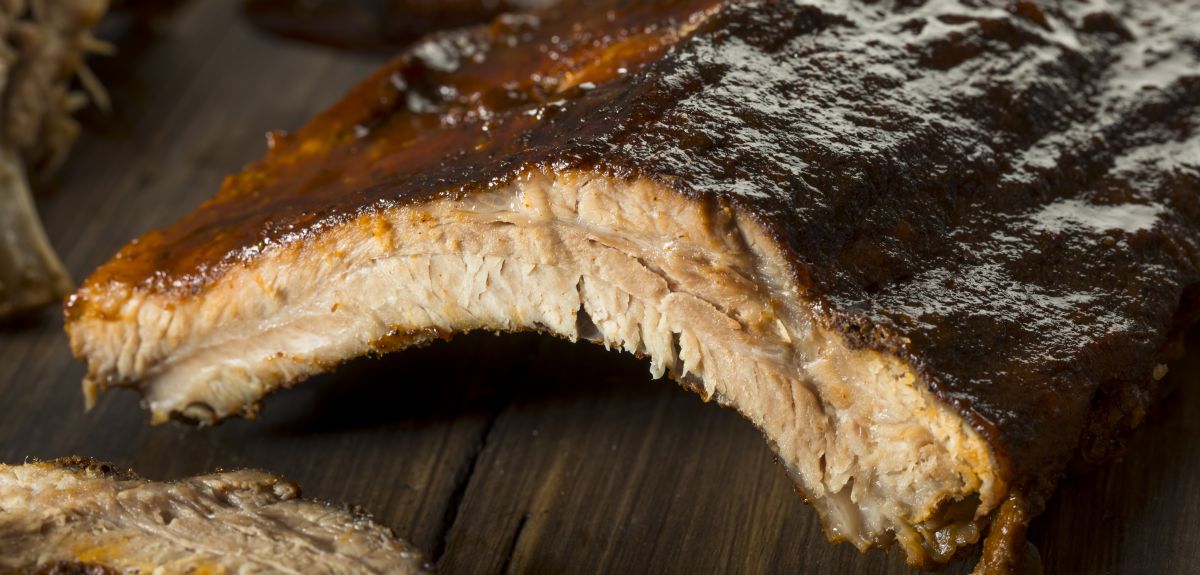
More home cooks have started turning to air fryers for a simpler approach. By combining circulating heat with a final layer of barbecue sauce, air fryers can produce ribs with tender meat, caramelized edges, and a sticky finish without ever lighting a grill.
Removing the Membrane Makes a Difference
Preparation begins before the seasoning.
Pork ribs contain a thin membrane on the bone side known as the silverskin. Removing it allows seasonings to penetrate more effectively and helps create a more tender bite after cooking.
A paper towel provides enough grip to pull the membrane away in one piece from most racks.
Dry Rub Creates the Foundation
Flavor starts long before barbecue sauce enters the picture.
Garlic powder, salt, black pepper, and smoked paprika create a balanced base that complements pork without overpowering it. Some cooks add brown sugar for sweetness while others use chipotle powder for extra smoke and heat.
Coating both sides of the ribs ensures every section develops flavor during cooking.
Hot Air Replaces the Grill
Air fryers work differently than traditional ovens.
A powerful fan circulates hot air around the food, helping cook the ribs evenly from edge to edge. This constant airflow encourages browning on the surface while keeping the interior tender.
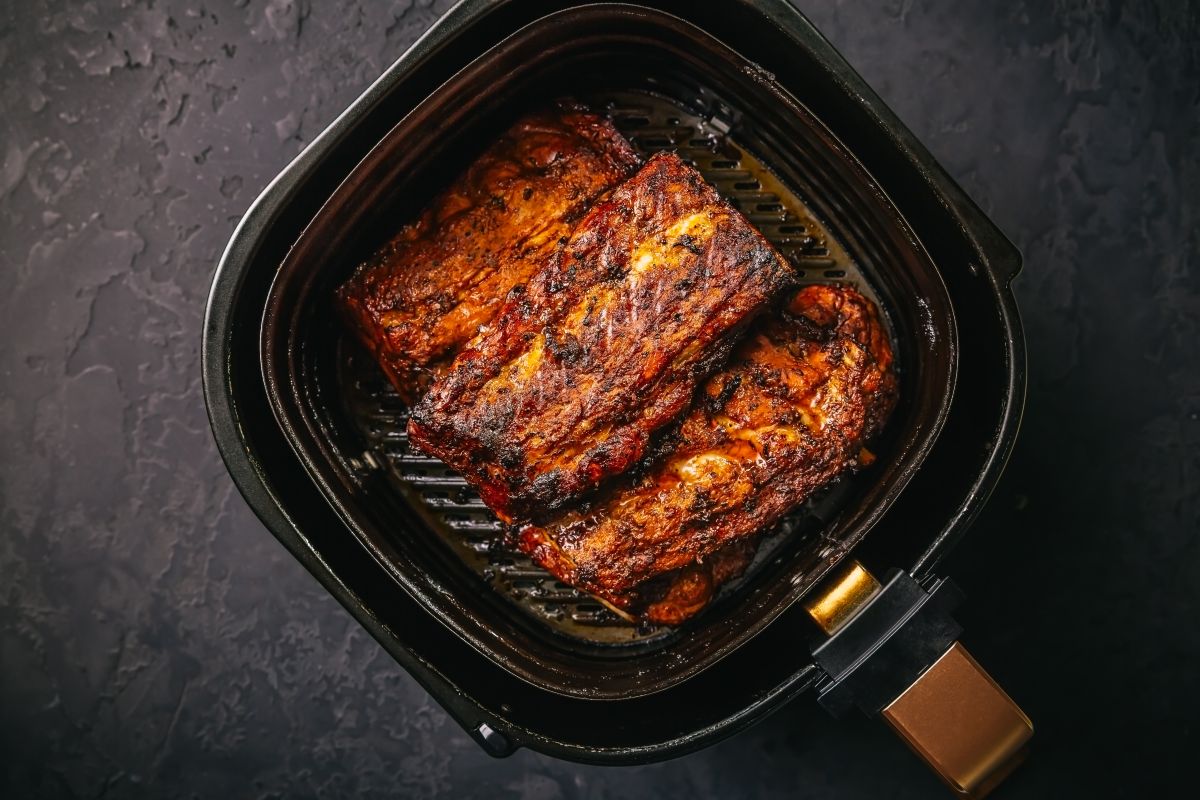
Because full racks rarely fit inside an air fryer basket, ribs are often cut into smaller sections before cooking.
Barbecue Sauce Comes at the End
Timing matters when sauce contains sugar.
Applying barbecue sauce too early can cause it to darken too much before the ribs finish cooking. Many cooks wait until the final few minutes before brushing on a layer of sauce and returning the ribs to the air fryer.
That final step creates the sticky coating and caramelized finish most people expect from barbecue ribs.
One Method Works With Different Flavors
Part of the appeal comes from flexibility.
Classic barbecue seasoning works well, but cooks often experiment with chipotle rubs, spicy blends, garlic-heavy seasonings, or marinades built around soy sauce and brown sugar.
Changing the seasoning transforms the final result without changing the cooking method itself.
Air fryers won't replace smokers for every barbecue fan, but they have become a practical option for people who want tender ribs without dedicating an entire afternoon to the grill.
Leave a Reply