


Tomatoes can move from firm to soft within a few days, especially in a warm kitchen. Once the skin gives under light pressure, many people assume the fruit has spoiled and throw it away.
Softness alone does not mean a tomato is unsafe. It can also mark the final stage of ripening, when the flesh holds more juice and the texture becomes too weak for neat slices but still works in cooked dishes.
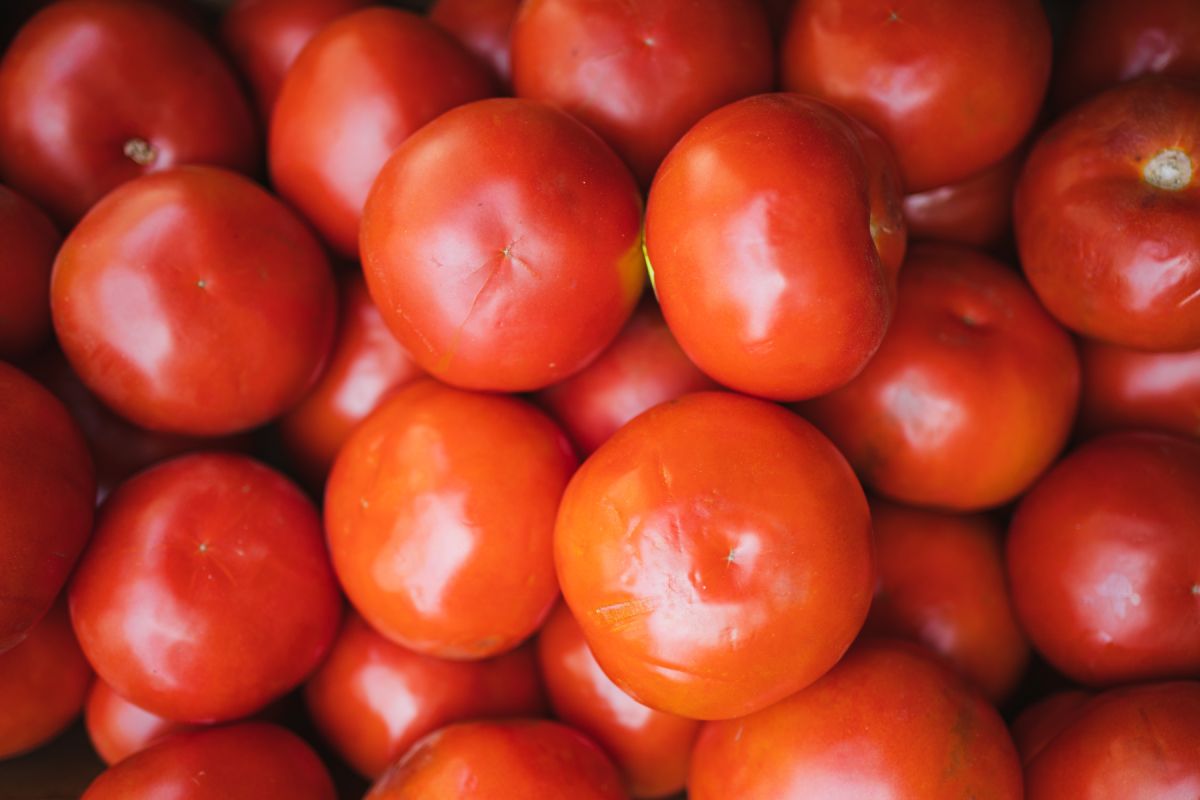
Softness Can Come From Ripening
Tomatoes soften as their cell walls break down during ripening. Warm temperatures and direct sunlight speed that process.
Flavor changes at the same time. A ripe tomato can become sweeter and more concentrated, while an overripe one may taste dull or lose the firm structure needed for salads and sandwiches.
Refrigeration can slow further ripening once tomatoes are ready to eat, although cold storage can also make the flesh more mealy.
Look For More Than Texture
A tomato with a few soft spots can still be usable if the skin looks intact, the color remains normal, and there is no bad odor.
Spoilage brings other signs. Sour or fermented smells, visible mold, leaking liquid, slime, large dark patches, or flesh that has collapsed into mush are reasons to discard the tomato.
Softness without those changes points more toward overripeness than spoilage.
Cooking Makes Better Use of Overripe Tomatoes
A soft tomato may fall apart on a sandwich, but that texture matters less once it goes into a pan.
Pasta sauce, tomato soup, shakshuka, roasted tomatoes, casseroles, jam, and chutney all use the fruit after its structure has broken down. Cooking reduces the importance of firmness and can concentrate the tomato flavor further.
Overripe tomatoes can also be roasted before blending into sauce or soup, which turns a texture problem into an advantage.
Storage Can Slow the Next Batch
Keep underripe tomatoes at room temperature away from direct sunlight and heat. Once they reach full ripeness, refrigeration can buy a few extra days if they cannot be used at once.
Bringing refrigerated tomatoes back toward room temperature before eating can improve flavor compared with serving them cold.
The key distinction is not firm versus soft. A soft tomato can still belong in dinner. Mold, slime, leaking liquid, bad odor, or major discoloration are the signs that move it from overripe to discard.
Leave a Reply