


Muffin batter can be divided into equal portions and still produce a tray where some muffins brown faster than others. The problem may have less to do with the batter than with where each cup sits inside the oven.
Home ovens have hot and cool spots. Muffins that spend the full bake near a hotter section can brown faster or dry out while muffins elsewhere on the pan still need more time.
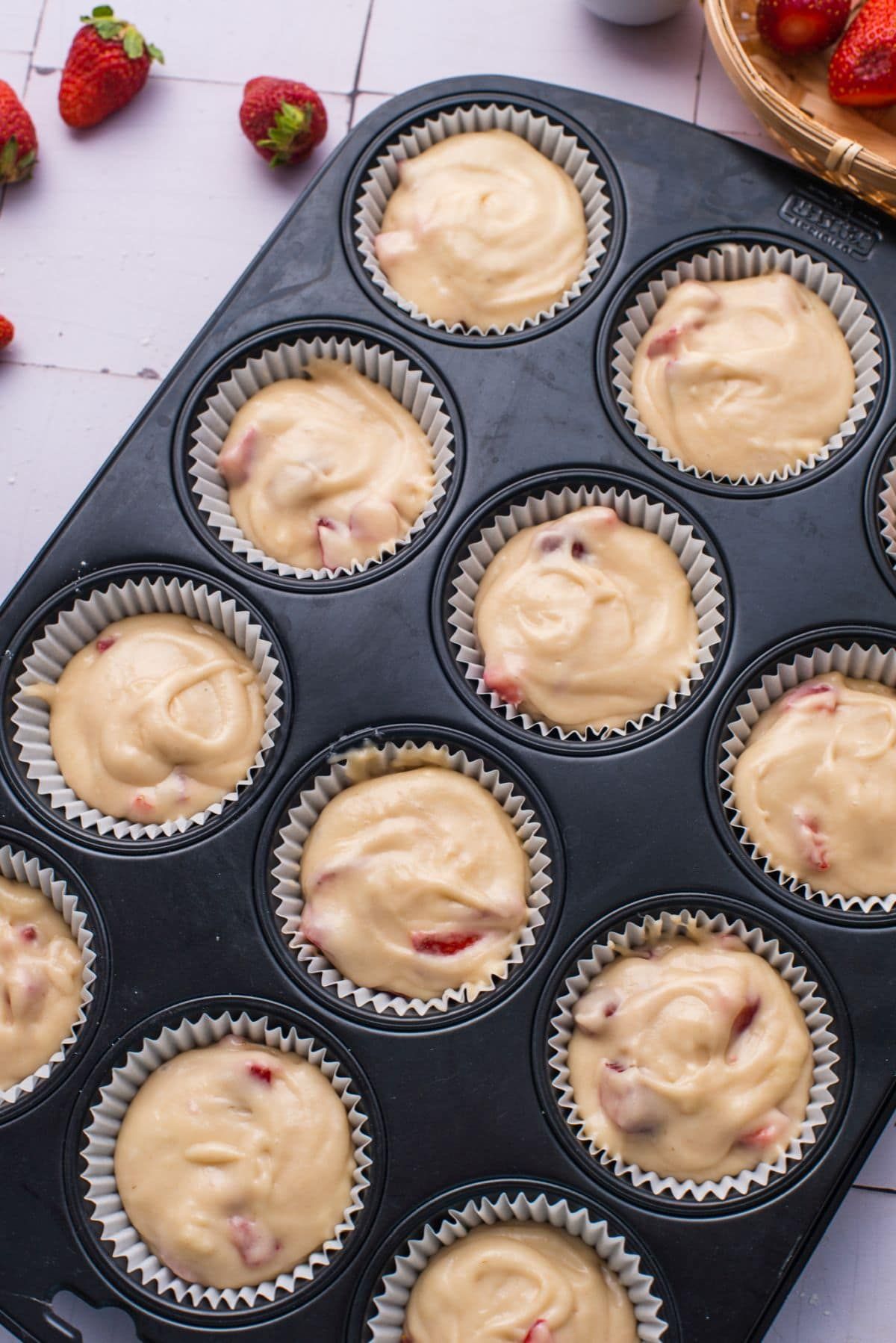
Rotate the Pan Halfway Through
Turn the muffin pan 180 degrees around the midpoint of the baking time. Muffins that began near the back of the oven move toward the front, reducing the amount of time any cup spends in the same hot spot.
Work fast when turning the tray. Keeping the oven door open for too long releases heat and can cause the oven temperature to drop.
Two Pans Need to Switch Places
Baking two muffin pans adds another variable. Heat can differ between the upper and lower racks as well as from front to back.
Rotate each pan 180 degrees and exchange their positions. Move the upper pan to the lower rack and the lower pan to the upper rack so both batches get exposure to each part of the oven.
Uneven Browning Can Reveal Oven Hot Spots
A muffin tray that comes out with dark tops at the back and pale ones at the front can help identify where an oven runs hot.
The same pattern can show up with cookies, cakes, rolls, and other baked goods where consistent browning matters. Rotating the pan gives each portion less time in one temperature zone.
Rotation Won't Fix Every Muffin Problem
Pan position cannot compensate for an oven that was not preheated or batter portions that differ in size. Each muffin cup still needs a similar amount of batter before the tray goes into a fully heated oven.
Once those basics are covered, a 180-degree turn halfway through baking can help prevent one side of the batch from finishing before the other.
Leave a Reply