


• Skip to primary navigation
  • Skip to main content
  • Skip to primary sidebar
  • Recipes
  • Nutrition
  • Natural Living
  • Body Love
  • Sustainability
  • Lively Living
    • Baby Led Weaning
    • Pregnancy
    • Lively Littles Recipes
    • Baby Lifestyle
  • About
    • Contact

Lively Table logo

menu icon
go to homepage
search icon
Homepage link
  • Appetizers
  • Breakfast
  • Lunch
  • Main Dishes
  • Desserts
  • Sides
  • Vegetarian
  • Gluten Free
  • Pork
  • Contact
    • Facebook
    • Instagram
    • Pinterest
    • Twitter
  • ×
    Home » Recipes » Kitchen Basics

    By LivelyTable Team - August 25, 2026

    Oven Deep Cleaning Is Moving Away From the Self-Clean Cycle

    Burnt sauce, grease, and food drips can stay on an oven floor for weeks, hardening each time the oven heats up. Many owners respond by turning on the self-clean setting and letting extreme heat burn the residue away.

    Self-Clean Uses Extreme Heat

    A self-clean cycle raises the oven far above normal cooking temperatures to turn grease and food residue into ash.

    Willatt warns that repeated exposure to those temperatures can put more wear on oven components over time. His recommendation is to clean the oven by hand rather than relying on the self-clean function once buildup becomes heavy.
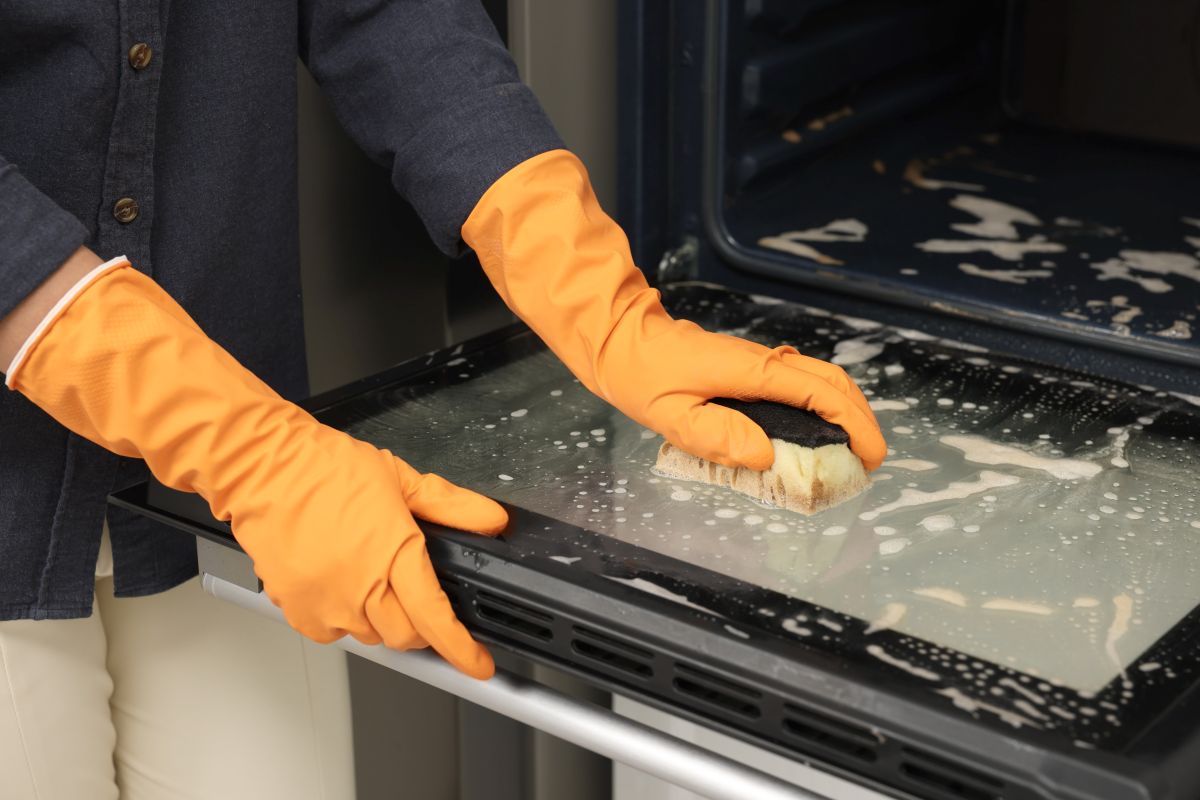
    Regular wipe-downs also keep spills from baking onto the same surface through repeated cooking cycles.

    Baking Soda Needs Time Instead of Heat

    The cleaning paste uses ¾ cup baking soda mixed with ¼ cup warm water.

    Remove the oven racks, then spread the paste across the interior with a silicone spatula or brush. Keep it away from heating elements, lights, wiring, and other exposed components.

    The paste needs 12 to 24 hours on the surface. That long contact time helps loosen hardened grease and food without requiring the temperatures used during a self-clean cycle.

    Oven Racks Get Cleaned Separately

    Racks can go into a sink or bathtub filled with warm water, a small amount of dish soap, and baking soda.

    After soaking, use a sponge or brush to remove residue, then rinse and dry the racks before returning them to the oven.

    Keeping them out also gives better access to the oven floor, corners, and side walls while the paste is being applied.

    Plastic Scrapers Lift What the Paste Loosens

    After the baking soda has sat overnight, use a plastic scraper to remove softened food deposits.

    A sponge can handle remaining residue, followed by a damp cloth to remove the baking soda. Plastic avoids the sharp edge of a metal scraper, which can damage some oven surfaces.

    Stubborn corners can be reached with an old toothbrush rather than a metal tool.

    Vinegar Handles the Door

    The oven door gets a separate treatment made from equal parts white distilled vinegar and water.

    Wipe the mixture across the door with a cloth, then remove the residue with a second clean cloth. Once the interior and racks are dry, reinstall the racks.

    Willatt recommends an interior and exterior wipe each week and a deeper clean about once a month for ovens that see regular use. Less-used ovens can go longer between deep cleans.

    The method takes more time than pressing the self-clean button, but most of that time is spent waiting for the baking soda paste to work rather than scrubbing.

    « The Waffle Trick That Creates Crisp Edges Without Drying Out the Middle

    Reader Interactions

    Leave a Reply Cancel reply

    Your email address will not be published. Required fields are marked *

    Primary Sidebar

    Trending

    • Skinny margaritas with lime wedges.
      The BEST Skinny Margaritas
    • pinto beans a grey bowl with a black spoon beside it.
      The Best Easy Pinto Beans Recipe
    • piece of lobster ravioli cut in half on a black fork sitting on a plate of ravioli.
      Lobster Ravioli with Brown Butter Sauce
    • closeup of the cut side of a BBQ rib on a cutting board.
      BBQ Ribs on the Charcoal Grill
    • cooked black rice in a small grey bowl.
      How To Cook Black Rice
    • two layer cake with a layer of frosting in the middle and a dollop of frosting on top.
      How To Make Basic Cake Frosting
    • wooden spoon of easy spaghetti sauce over a white pot of sauce.
      The Simple Spaghetti Sauce I Make Instead of Buying Jars
    • closeup of simple roasted sweet potato cubes in a white bowl.
      Simple Roasted Sweet Potatoes
    As Featured in Sidebar Image

    Footer

    ↑ back to top

    Latest Recipes

    • The Waffle Trick That Creates Crisp Edges Without Drying Out the Middle
    • That Half Lemon Left on the Counter Should Go in the Fridge Sooner Than You Think
    • Your Air Fryer Basket May Be Wearing Out Faster Because of How You Wash It
      Your Air Fryer Basket May Be Wearing Out Faster Because of How You Wash It
    • Stainless Steel Sinks Don’t Need Harsh Cleaners, Baking Soda Can Remove the Buildup
      Stainless Steel Sinks Don’t Need Harsh Cleaners, Baking Soda Can Remove the Buildup

    Recipes

    • Breakfast
    • Gluten-Free
    • Vegetarian
    • Desserts
    • Grilling
    • Chicken & Turkey
    • Drinks and Cocktails
    • Sides
    • Main Dishes
    • Snacks

    About

    • Contact
    • About

    Copyright © 2024 Lively Table
    Privacy Policy Terms and Conditions