


Draining boiled potatoes seems like the point when they're ready for the masher. One home cook adds another step first: the drained potatoes go back into the pan.
Reddit user u/bloodykonigin cooks them for a little longer so the remaining water can evaporate before anything gets mashed. The goal is to get the potatoes dry without browning them, which she says helps produce fluffy mashed potatoes instead of gummy ones.
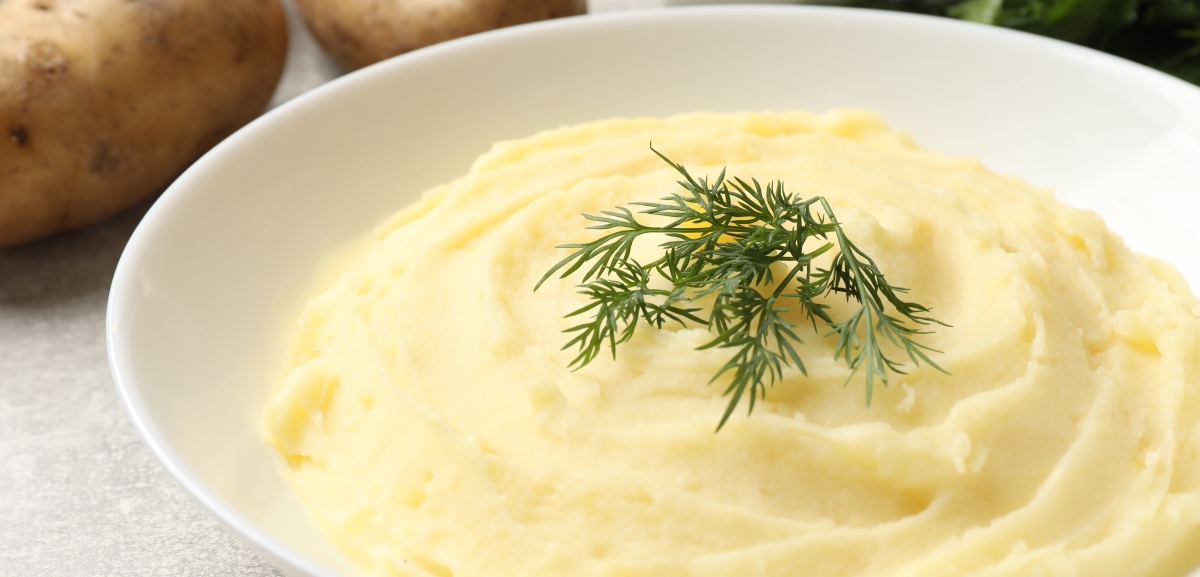
Put the Potatoes Back Over the Heat
Once the potatoes have finished cooking, drain them as usual.
Instead of adding butter or milk right away, return the potatoes to the pan and let the remaining moisture cook off. Watch them so they dry without starting to brown.
Water clinging to the potatoes after draining is what this extra step targets. Only after that moisture is gone does the mashing begin.
Mash Before Adding Butter and Cream
Another cook in the discussion tried the same approach and took the order one step further.
They drained the potatoes, cooked off the excess water, mashed them, and only then added butter and cream. An egg yolk was beaten into the cream before it went into the potatoes.
That commenter said the method produced the best mashed potatoes they'd made and required less butter and cream than they normally used.
Letting Steam Escape Is Another Option
Returning the potatoes to the pan isn't the only method cooks in the discussion use to remove water.
Another commenter puts cooked potatoes into a colander and lets them dry and release steam before mashing. Their goal is the same: avoid carrying excess water into the finished mash.
They also recommend high-starch potatoes rather than waxy varieties when the goal is a smooth mash.
Don't Overwork the Potatoes Afterward
Dry potatoes can still become gluey if they're worked too much.
One commenter recommends a potato ricer instead of repeated mashing, while another warns that mixing more than necessary can turn the potatoes into glue.
That makes the drying step part of a short sequence: remove the cooking water, get rid of the moisture left behind, then mash without continuing to work the potatoes once the texture is where you want it.
Butter Comes After the Water Is Gone
Butter, cream, milk, garlic, cheese, and other additions can change the finished potatoes, but this trick happens before any of them.
The drained potatoes return to the pan first. Once the excess water has cooked away, they're ready to mash and take on whatever fat or seasoning comes next.
It's a small step between draining and mashing, but it's one I'd usually skip. If there's still water hiding in the potatoes, getting rid of it before adding butter makes more sense than carrying it into the bowl.
Do you put drained potatoes back over the heat before mashing them, or start adding butter as soon as they're drained?
Leave a Reply