


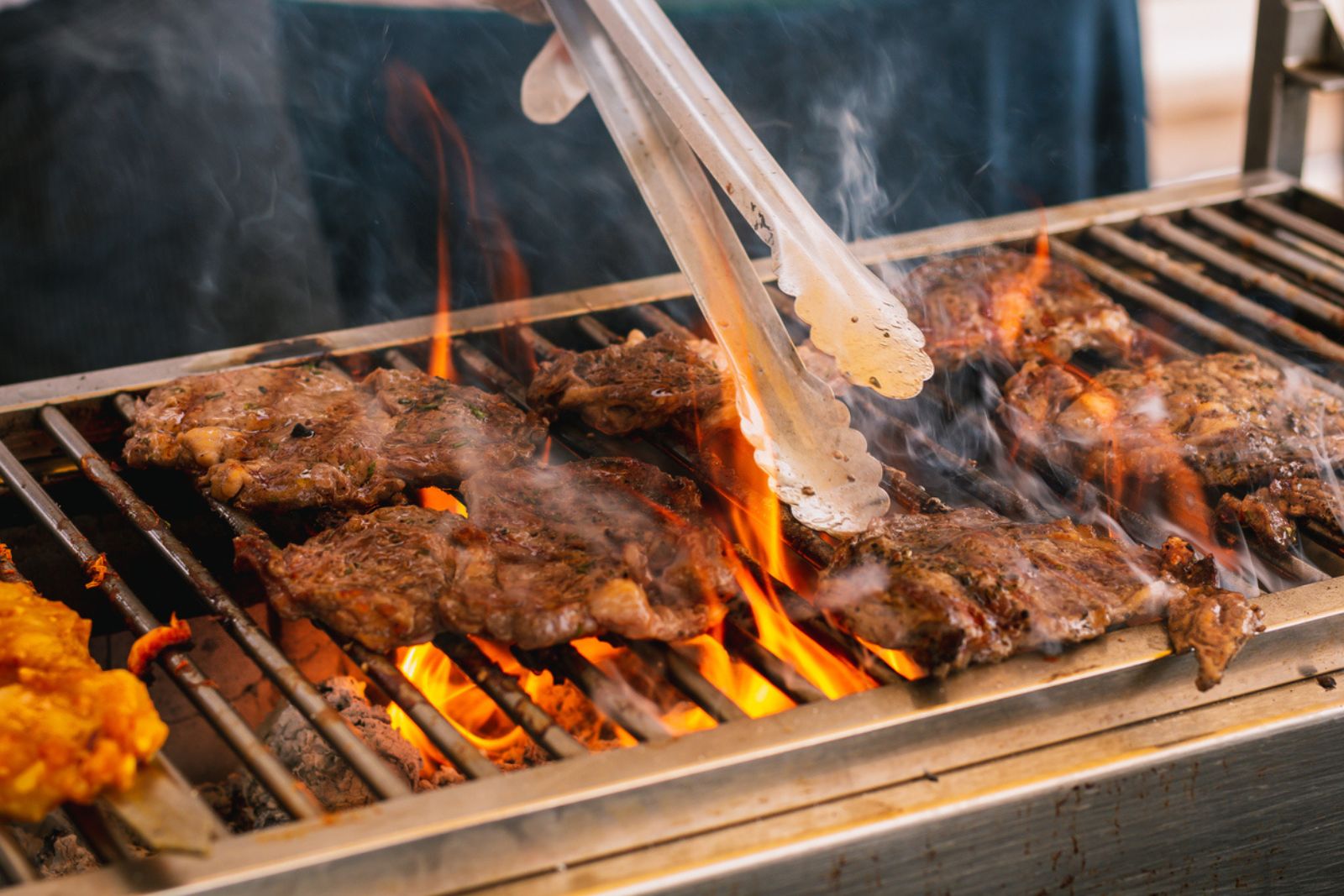
The flank steak soaked all afternoon in a soy sauce and vinegar marinade. It smelled great going on the grill. It came off gray and a little chewy, tasting mostly of salt, with none of the dark, glossy crust you were hoping for.
This is not your fault. A marinade has two jobs, flavor and browning, and a salty, sour mix only handles one of them. Some cooks reach for a can of regular Dr Pepper instead, because it brings acidity and sugar in a single pour.
Why a can of Dr Pepper works on steak
Start with the acid. Dr Pepper's label lists phosphoric acid among its ingredients, and acidic marinades help soften meat. Penn State animal scientist Ed Mills explained in a university release that acidic molecules break down and soften the connective tissue in meat over time. He also noted that a 20-minute soak adds flavor but isn't long enough to improve tenderness.
Then there's the sugar. A cup of regular Dr Pepper carries about 26 grams of it, based on its nutrition label. On a very hot grill or skillet, the sugar left on the surface of the steak caramelizes into a dark, slightly sweet crust. Diet and zero-sugar versions don't have that sugar, so they won't brown the same way.
On its own, the soda tastes too sweet for beef. Olive oil helps the steak brown, Worcestershire sauce adds savory depth, and Dijon mustard balances the sweetness.
The Dr Pepper marinade, step by step
This makes enough for about 1½ pounds of flank or skirt steak.
- Mix the marinade. Whisk 1 cup of regular Dr Pepper with 2 tablespoons of olive oil, 2 tablespoons of Worcestershire sauce, 1 tablespoon of Dijon mustard and ½ teaspoon of salt. Set ¼ cup aside in the refrigerator for basting later.
- Marinate cold. Put the steak and the rest of the marinade in a zip-top bag and refrigerate for 2 to 4 hours. Recipe testers warn that a full day in soda can leave the surface soft, so keep it shorter.
- Take off the chill. Lift the steak out, pat it dry and let it sit at room temperature for about 30 minutes. Season with salt and pepper.
- Cook it hot. Grill or sear over high heat until a dark crust forms, turning once. Cook to at least 145°F, then let it rest 3 minutes before slicing thinly against the grain.
- Baste safely. Brush on the reserved marinade during the last minutes of cooking.
Plan B if you forgot to set some aside: pour the used marinade into a saucepan and boil it for at least 5 minutes before using it as a sauce. Thin cuts like flank and skirt are the best match for a short marinade, and Lively Table's guide to salting different steaks explains why thick cuts do better with a dry brine instead.
Where the soda marinade needs care
Raw meat juices make used marinade risky. Texas A&M's Dinner Tonight program advises keeping marinating food refrigerated, says the safest way to make a sauce is to reserve some marinade before it touches raw meat, and warns never to reuse a marinade from raw meat unless you boil it first.
Sugar burns faster than meat cooks. If flare-ups char the crust, move the steak to a cooler part of the grill and finish it there.
The soda adds a little sugar to the steak, and Worcestershire and salt add sodium. If you're managing diabetes or watching sodium, use less salt and keep the basting light. Worcestershire sauce can also contain anchovies, which matters for anyone with a fish allergy.
Use regular soda, keep the soak to a few hours, and cook it over high heat. That's the trick.

Leave a Reply