


Mashed potatoes seem simple until something goes wrong.
A splash of extra milk turns them soupy. A few undercooked pieces leave lumps throughout the bowl. Too much salt throws off the flavor. In some cases, the texture becomes thick and sticky instead of light and fluffy.
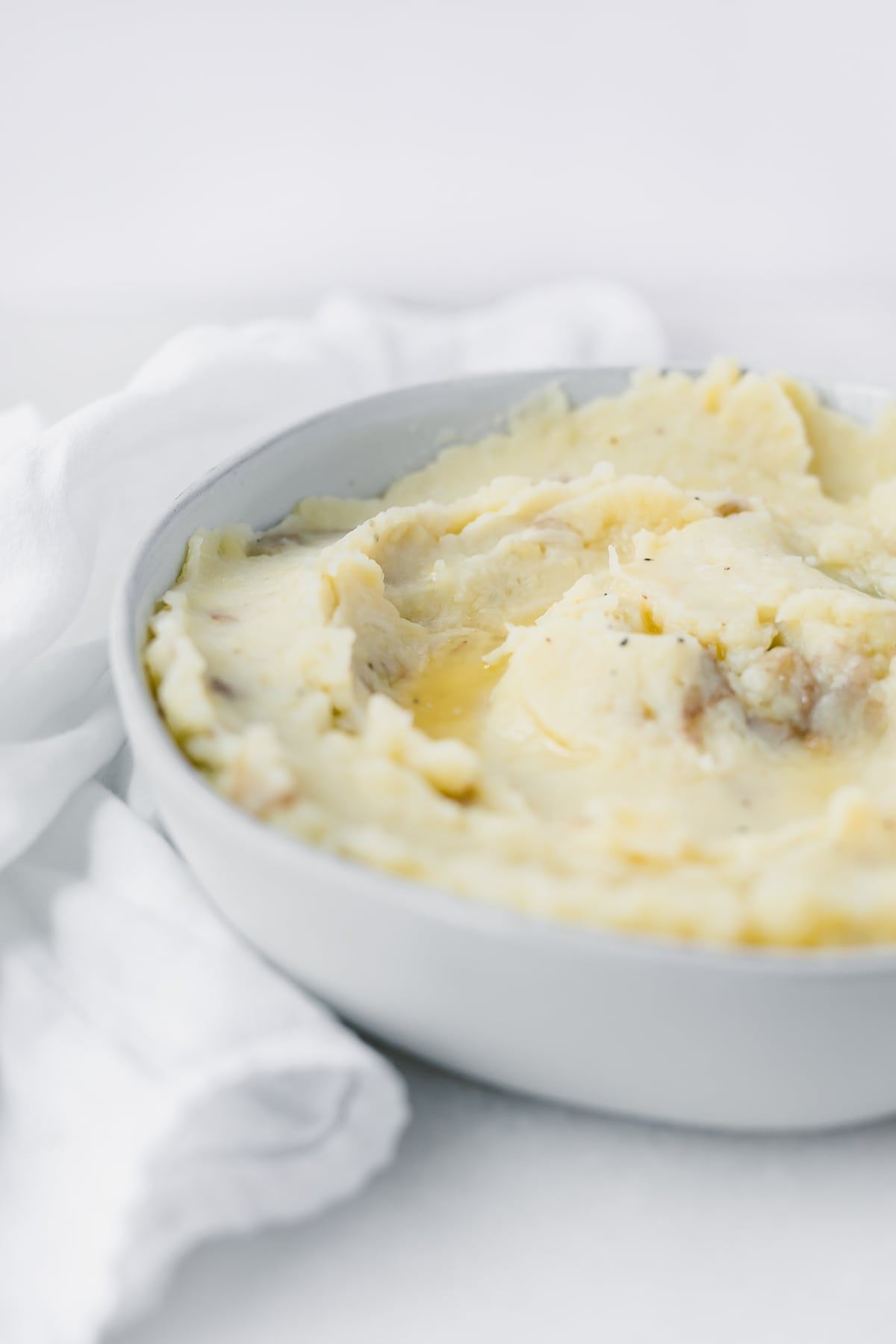
Many people assume the batch is ruined at that point.
In reality, several of the most common mashed potato mistakes can be corrected without starting from scratch.
Watery Mashed Potatoes Started Looking Worse Than They Were
Runny mashed potatoes often happen after adding too much liquid or failing to drain the potatoes well enough.
The good news is that excess moisture can often be removed. Gentle heat allows water to evaporate while stirring helps restore a thicker consistency. Some cooks also use small amounts of instant mashed potatoes or starch to absorb extra liquid.
The result is often much closer to the texture people wanted in the first place.
Lumps Started Revealing A Cooking Problem
Lumpy potatoes usually begin long before the mashing stage.
When potatoes cook unevenly, some pieces soften while others remain firm in the center. Those firmer sections resist mashing and create lumps throughout the dish.
A little extra heat and moisture can often help break down those remaining pieces.
Too Much Salt Started Finding A Solution
Over-seasoning creates another common problem.
Instead of throwing the potatoes away, many cooks dilute the salt by incorporating additional unsalted ingredients such as butter, cream, or milk. The extra volume spreads the salt through a larger amount of food and helps restore balance.
One Mistake Remains The Hardest To Fix
Not every potato problem has an easy solution.
Overmixing mashed potatoes in a blender or food processor releases large amounts of starch, creating a sticky, glue-like texture. Once that transformation happens, returning the potatoes to a fluffy state becomes difficult.
At that point, many cooks turn the potatoes into a baked casserole or cheesy potato dish instead.
Better Potatoes Started Depending On Small Details
Most mashed potato disasters begin with small decisions.
Cutting potatoes too small, overcooking them, adding liquid too fast, or using aggressive mixing methods can all affect the final texture. Preventing those mistakes remains easier than fixing them later.
A Bad Batch Doesn't Always Need Replacing
Many cooking mistakes look worse than they actually are.
Mashed potatoes fall into that category. While some problems require creativity, many can be corrected with simple adjustments that take only a few minutes.
The next time mashed potatoes turn out too thin, too salty, or too lumpy, the solution may already be sitting in the kitchen.
Which mashed potato mistake gives you the most trouble: lumps, excess liquid, too much salt, or sticky texture? Share your answer in the comments.
Leave a Reply