


Refrigerators across the country contain food that many people feel uncertain about using. Yogurt passed the printed date yesterday. Milk smells normal but looks questionable because of the label. Pantry foods sit untouched for months because nobody knows whether they are expired or still safe.
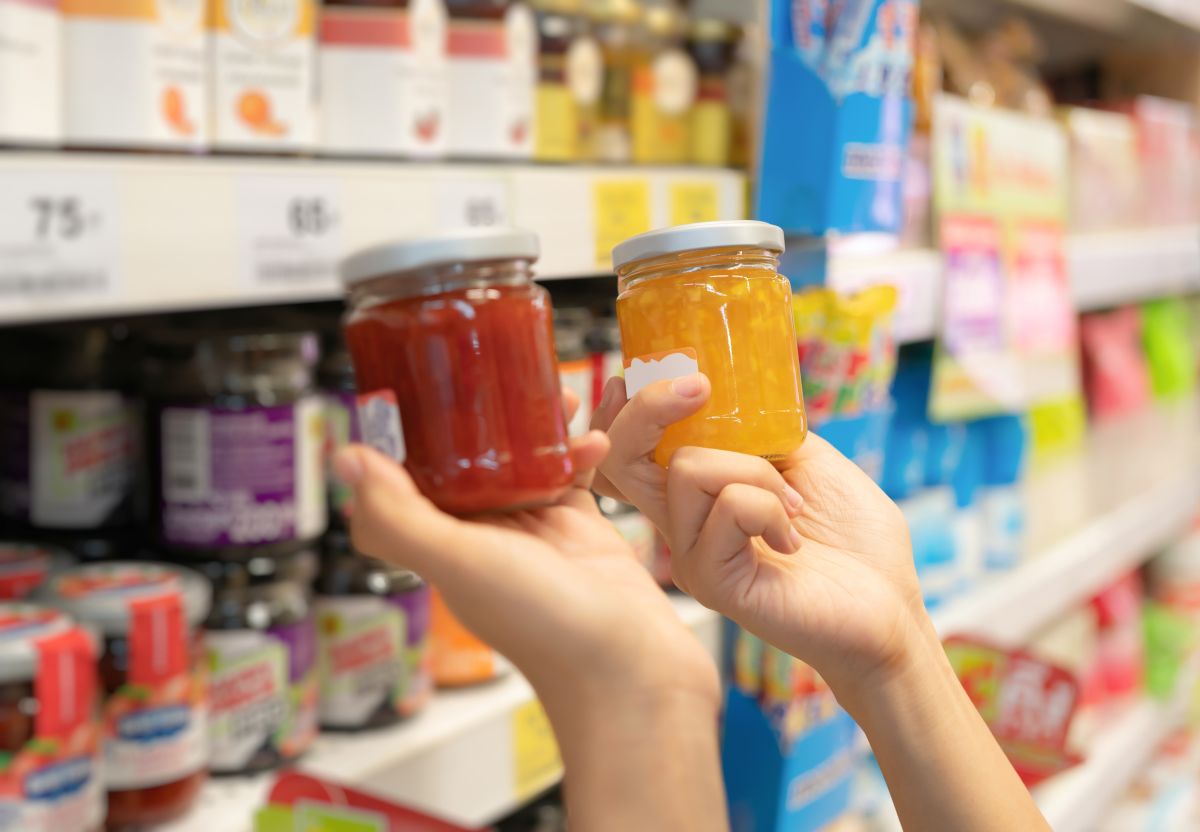
That confusion started creating two problems at once. Some households throw away perfectly good food far too early, while others keep risky foods much longer than they should. Much of the problem comes from misunderstanding what expiration labels actually mean.
“Best By” Dates Started Confusing Grocery Shoppers
One of the biggest mistakes comes from treating every printed date as a strict safety deadline.
In many cases, “best by” labels refer to food quality instead of food safety. Manufacturers use those dates to estimate when texture, flavor, or freshness may begin declining, not necessarily when food becomes dangerous overnight.
Dry pasta, cereal, crackers, canned foods, and many pantry staples often remain usable well beyond those dates when stored correctly.
Storage Conditions Started Matter More Than Printed Dates
Expiration labels assume food stays stored correctly during transport, shopping, and refrigeration.
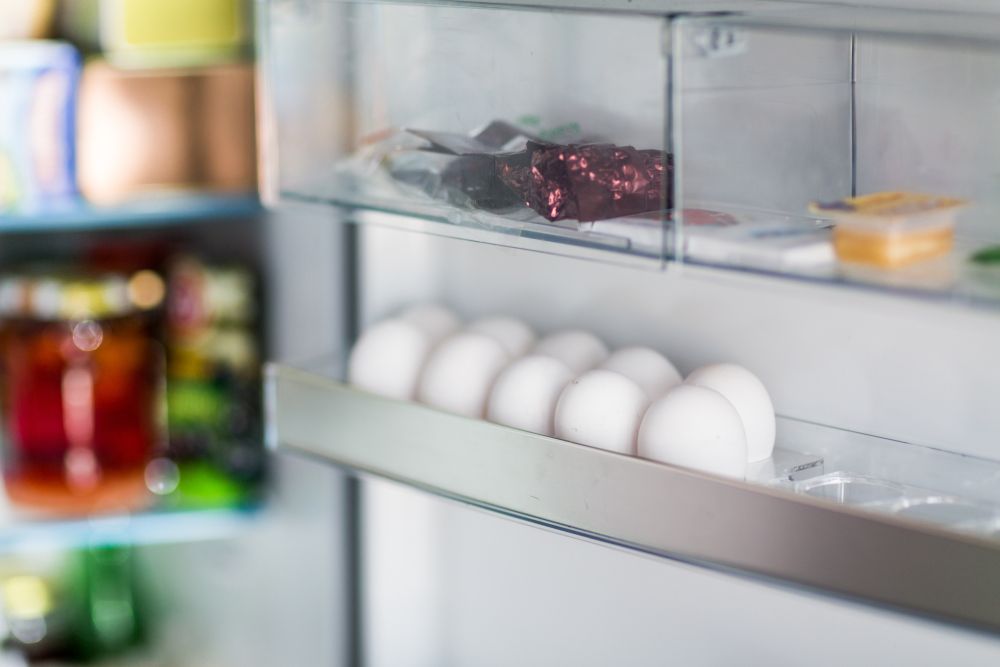
Milk left inside a warm car during summer can spoil before the printed date arrives. Meat stored inside a refrigerator running too warm can become unsafe faster than expected.
On the other hand, foods kept sealed and consistently cold sometimes last longer than many people assume.
Refrigerator Temperatures Started Creating Hidden Problems
Many refrigerators operate above safe temperatures without homeowners realizing it.
A refrigerator should generally stay at or below 40°F. Once temperatures rise above that range, bacteria grow faster and food quality drops more quickly.
Overfilled shelves, weak airflow, broken seals, and constant door opening during warmer months can all affect cooling performance.
Pantry Foods Started Creating Shelf-Life Confusion
Dry goods create a different type of misunderstanding.
Some people throw away flour, rice, pasta, canned goods, and spices too quickly, while others keep them for years without checking quality changes. Many pantry foods stay safe long after purchase but slowly lose flavor, texture, and freshness over time.
Spices weaken, oils become rancid, and flour can absorb moisture or odors even when the food no longer appears expired.
Food Labels Started Creating Massive Household Waste
Part of the confusion comes from the variety of labels appearing across grocery packaging.
“Sell by,” “best by,” “freeze by,” and “use by” often mean different things, but many shoppers treat them all as expiration warnings. That misunderstanding contributes to large amounts of unnecessary household food waste every year.
Learning the difference between spoilage signs, storage conditions, and quality labels can help families waste less food while also avoiding unsafe storage habits.
Have you ever thrown away food because of a date label even though it still looked fine? Share the food expiration rule you still question most in the comments.
Leave a Reply