


Modern kitchens revolve around speed. Grocery stores fill shelves with bottled sauces, pre-cut vegetables, frozen shortcuts, and ready-made ingredients designed to make dinner faster with less effort.
Some shortcuts help. Others quietly destroy flavor, texture, and consistency without people understanding why homemade food never tastes quite as good as restaurant meals.
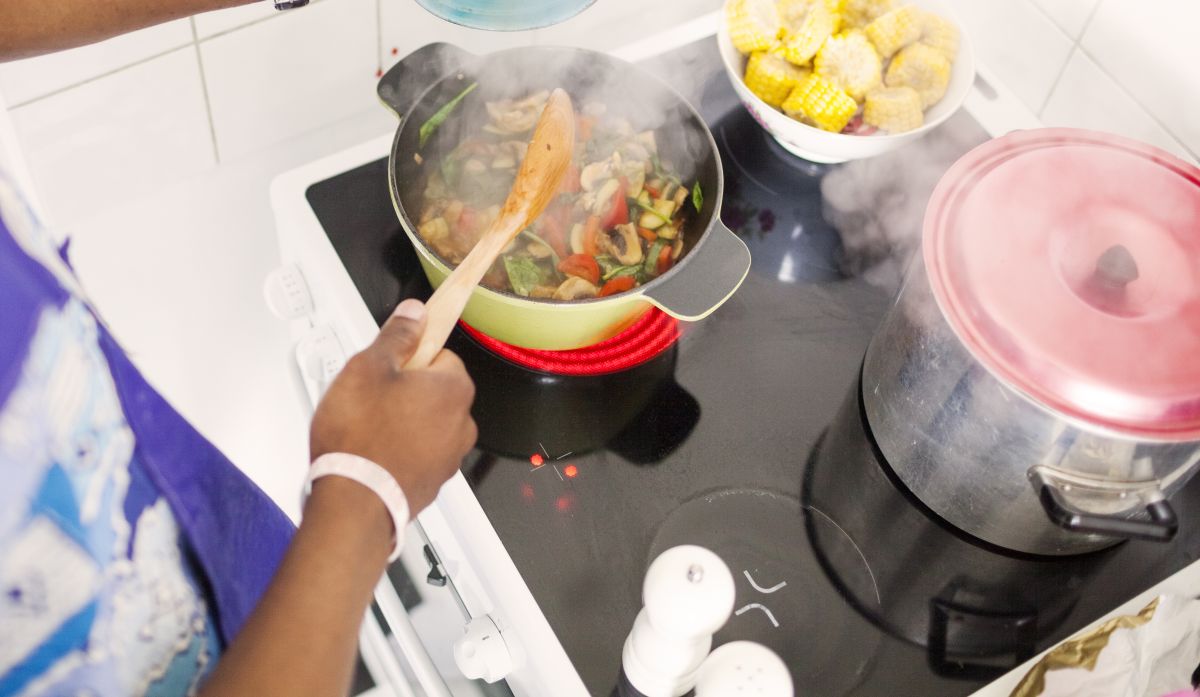
Many experienced cooks are not spending hours in the kitchen every night. They simply know which parts of cooking create flavor and which shortcuts remove it.
Overcrowded Pans Started Destroying Browning
One of the biggest mistakes happens inside the skillet.
People add too much food at once because cooking everything together feels faster. The problem is that overcrowded pans trap moisture.
Instead of browning, vegetables steam. Mushrooms release water. Meat turns gray instead of developing dark crust and caramelized flavor.
That missing browning changes the entire dish because color and texture create much of the flavor people associate with restaurant food.
Skipping Preheating Started Ruining Texture
Waiting for pans and ovens to fully heat feels unnecessary during busy nights.
But cooking before proper heat changes food from the very beginning. Chicken skin stays pale instead of crisp. Pizza dough loses structure. Vegetables soften instead of roasting.
A properly heated surface starts searing food immediately instead of allowing moisture to collect first.
Pre-Shredded Cheese Started Changing Creamy Dishes
Bagged shredded cheese became a refrigerator staple because it saves prep time.
The problem is that many pre-shredded cheeses contain anti-caking additives that affect melting. Instead of smooth sauce, dishes can become grainy, greasy, or slightly powdery.
Freshly grated cheese melts more evenly because it lacks those stabilizers.
Bottled Sauces Started Flattening Homemade Flavor
Store-bought sauces simplify cooking, but relying on them too heavily can make different meals taste strangely similar.
Many packaged sauces contain large amounts of sodium, sugar, preservatives, and stabilizers designed for shelf life and mass appeal instead of fresh flavor.
That balance can overpower fresh ingredients and remove the depth homemade cooking usually creates.
Fast Cooking Culture Started Removing The Parts That Matter Most
Part of the problem comes from focusing too much on speed instead of process.
Shortcuts work best when they remove unnecessary effort, not the parts responsible for flavor, texture, browning, and freshness. Once those core steps disappear, meals often start tasting flatter no matter how expensive the ingredients become.
Leave a Reply