


Preheating the skillet before adding chicken was one cooking rule I never questioned. Then I learned that skin-on chicken thighs can benefit from the opposite approach: put them in a cold skillet first, then turn on the heat.
Starting cold gives the fat beneath the chicken skin time to render as the pan heats. Instead of browning the surface before that fat has escaped, the skin cooks in the rendered fat and develops a crisp, golden surface.
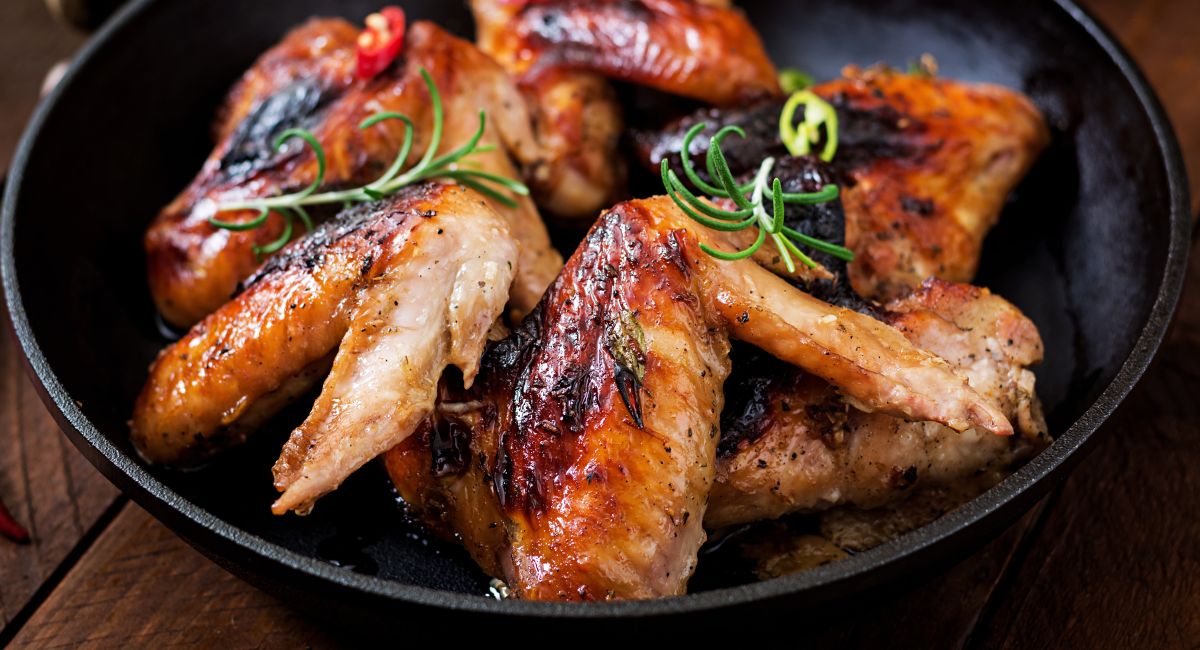
Put the Chicken Skin-Side Down in a Cold Skillet
Pat skin-on chicken thighs dry and season them before they reach the pan. Place them skin-side down in a dry, room-temperature skillet without preheating it.
Turn the burner to medium-high heat and leave the chicken in place as the skillet warms.
Fat will begin to melt from beneath the skin and collect in the pan. Chicken thighs contain enough fat that you may not need to add oil.
Starting Cold Gives the Fat Time to Render
Drop a chicken thigh into a hot skillet and the skin starts browning at once. That can give you good color, but the fat underneath still needs time to render.
Starting with a cold pan changes the order. The skin warms with the skillet, giving the fat time to melt before the exterior gets too dark.
As more fat collects in the pan, it helps cook the skin from underneath. What started as a dry skillet becomes a shallow layer of rendered chicken fat.
Let the Skin Develop Color Before Flipping
Give the thighs about 8 to 10 minutes skin-side down while watching the heat. Once the skin has developed good color, reduce the burner to medium and turn the chicken.
Continue cooking and turn the thighs as needed so one side doesn't spend the entire cooking time against the pan.
Don't rely on browned skin to tell you when the meat is done. Check the thickest part of each thigh with a food thermometer, avoiding the bone. Poultry should reach at least 165°F.
Chicken Thighs Are a Good Place to Try It
This technique makes the most sense with skin-on cuts that have fat to render. Chicken thighs provide both, which makes them a good starting point if you've always preheated your skillet.
Chicken breast contains less fat, while skinless chicken doesn't have the fatty layer that makes the cold-pan method useful in the same way.
For skin-on thighs, though, skipping the preheat isn't a shortcut. Starting with a cold skillet gives the fat under the skin time to become part of the cooking process instead of staying trapped beneath a surface that browned too fast.
Would you put chicken into a cold skillet, or does cooking meat without preheating the pan still feel wrong?
Leave a Reply