


Red potatoes can go into the oven, a pot of boiling water, or a skillet, but they don't behave like every other potato. Their waxy texture means they contain less starch and more moisture than varieties such as russets.
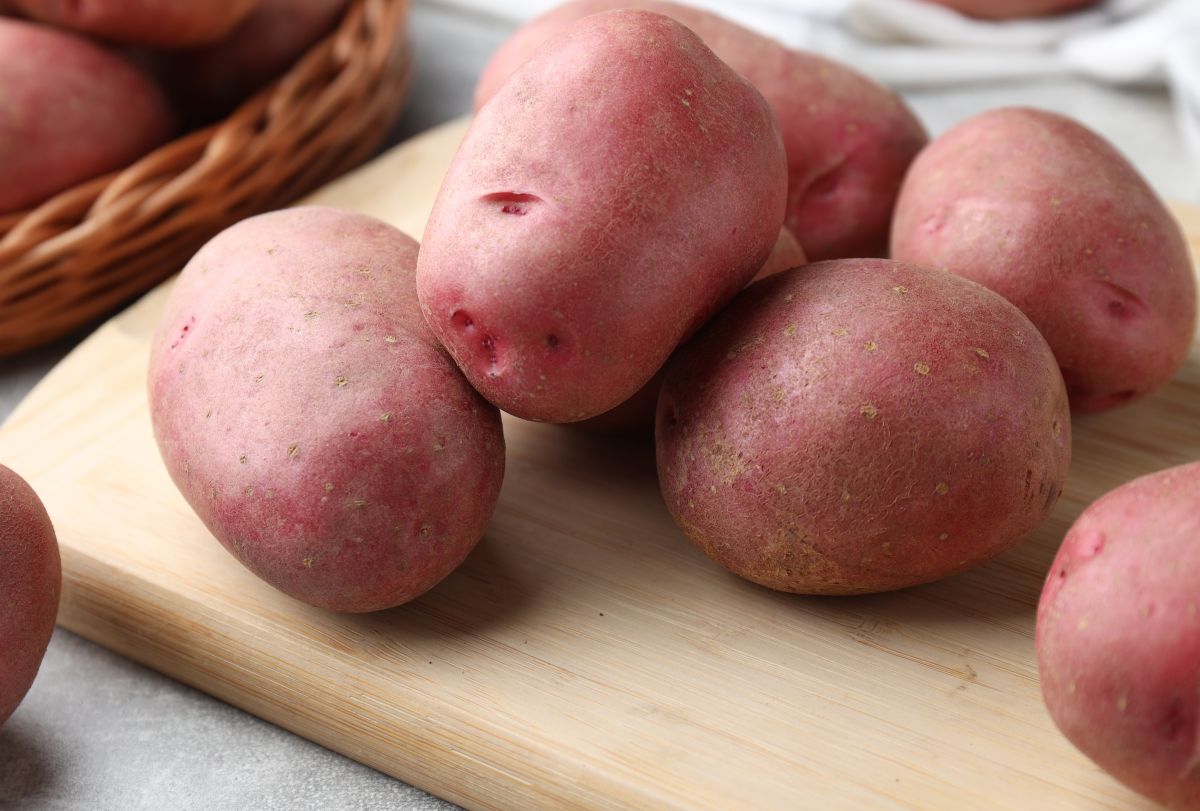
That difference explains why red potatoes stay intact in soups and potato salads but don't develop the same fluffy center you expect from a classic baked potato. Knowing that before cooking them makes it easier to choose a method that suits their texture.
Red Potatoes Hold Their Shape After Cooking
Boiling can cause some high-starch potatoes to soften and break apart, while red potatoes tend to keep their shape.
That makes them a good choice for soups where you want distinct potato pieces instead of potatoes that dissolve into the broth. The same quality works for potato salad since cubes or halves can survive boiling and mixing without turning into mash.
Choose potatoes of similar size if you plan to boil them whole so they finish cooking around the same time.
They Aren't the Fluffiest Baked Potatoes
Red potatoes can be baked whole, but don't expect the dry, fluffy interior associated with a russet.
Their higher moisture and lower starch content produce a denser, creamier center. If a fluffy baked potato is the goal, russets are a better fit.
Red potatoes make more sense in the oven when they're cut first, which exposes more surface area to the heat.
Cut Red Potatoes Before Roasting Them
Halve small red potatoes or cut larger ones into chunks, then coat them with oil and salt before roasting.
Cut surfaces give you more opportunity for browned, crisp edges while the centers retain their creamy texture. Wedges work for the same reason.
Give the pieces room on the baking sheet rather than piling them together. Crowding traps steam around the potatoes and works against browning.
Check the Skin Before Buying Them
Look for red potatoes that feel firm and have smooth skin without major cuts, cracks, bruises, or sprouts.
Skip potatoes with green areas. Greening occurs after exposure to light and can be associated with increased levels of glycoalkaloids such as solanine.
If you're buying loose potatoes for the same dish, choosing similar sizes can also make cooking more consistent.
Keep Red Potatoes Away From Light
Store red potatoes somewhere cool, dark, and dry with ventilation. Paper bags or a cardboard container allow more airflow than a sealed plastic bag while helping block light.
Keep them away from the oven, stove, or another source of heat. Light encourages greening, while warm storage can shorten how long the potatoes remain usable.
Red potatoes aren't a replacement for russets in every recipe. Their waxy texture is the reason they work so well when you need potatoes that hold together through boiling, roasting, or mixing.
Do you prefer red potatoes for roasting and potato salad, or do you use them for baked potatoes too?
Leave a Reply