


Wiping grease from the stovetop and backsplash takes care of what you can see after cooking. Some of that grease, however, travels upward with steam and cooking fumes, where another surface is designed to catch it.
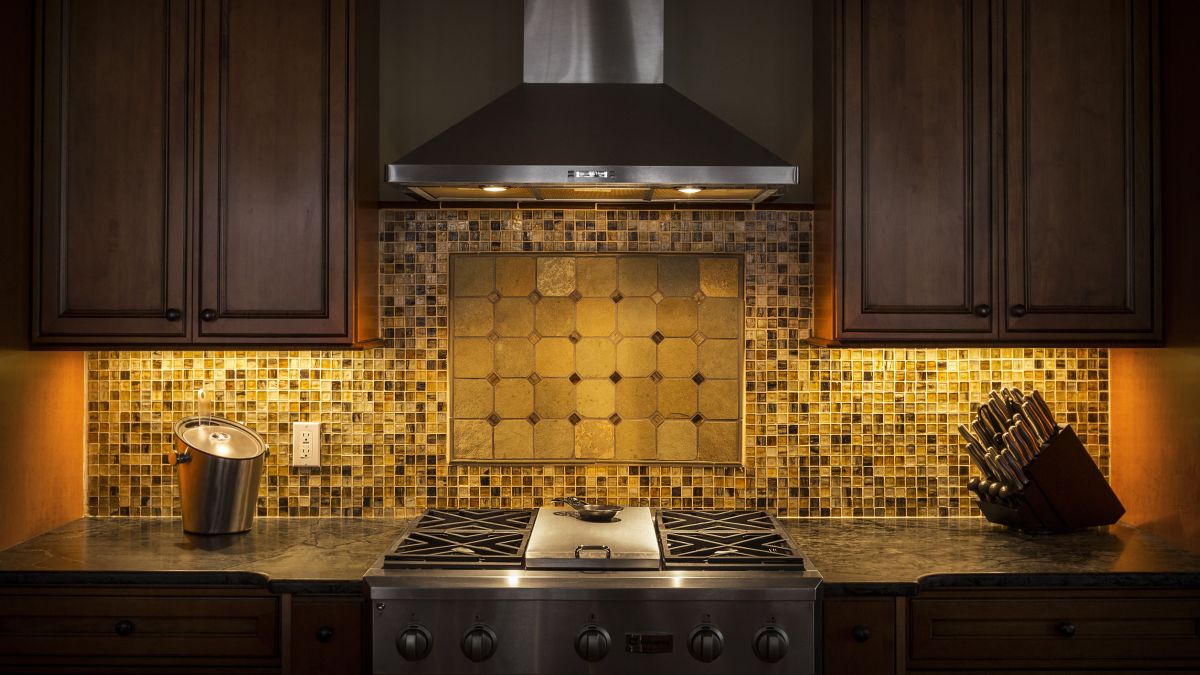
Look underneath the range hood and you will find a mesh filter sitting between the cooktop and exhaust system. Each time the hood runs, air passes through this filter while grease and other cooking residue collect across its surface.
Because the filter stays tucked above eye level, buildup can go unnoticed. Leave it there long enough and the clogged mesh can also reduce how well the range hood moves air away from the cooking area.
Range hood filter catches grease before it travels farther
Range hood filters often look like flat metal mesh panels fitted into the underside of the hood. Their position puts them in the path of smoke, steam, airborne grease, and other particles rising from the cooktop.
Instead of allowing all that residue to travel into the hood, the filter catches much of it first.
That also explains why a filter that once looked silver can develop a sticky film. Unlike a countertop spill, the buildup happens across many cooking sessions and may not become obvious until the filter is removed.
Grease buildup can restrict airflow
Cleaning the filter is not just about how it looks. As grease fills the mesh, less open space remains for air to pass through.
That can reduce the range hood's ability to capture cooking fumes, smoke, and odors. A filter covered in grease can also become harder to clean once layer after layer has accumulated.
Checking it about once a month gives you a chance to catch buildup before it reaches that point, especially in a kitchen where the stovetop gets frequent use.
Homes where frying and high-heat cooking are common may need more frequent checks than kitchens where the cooktop sees less use.
Remove the filter to see what has collected
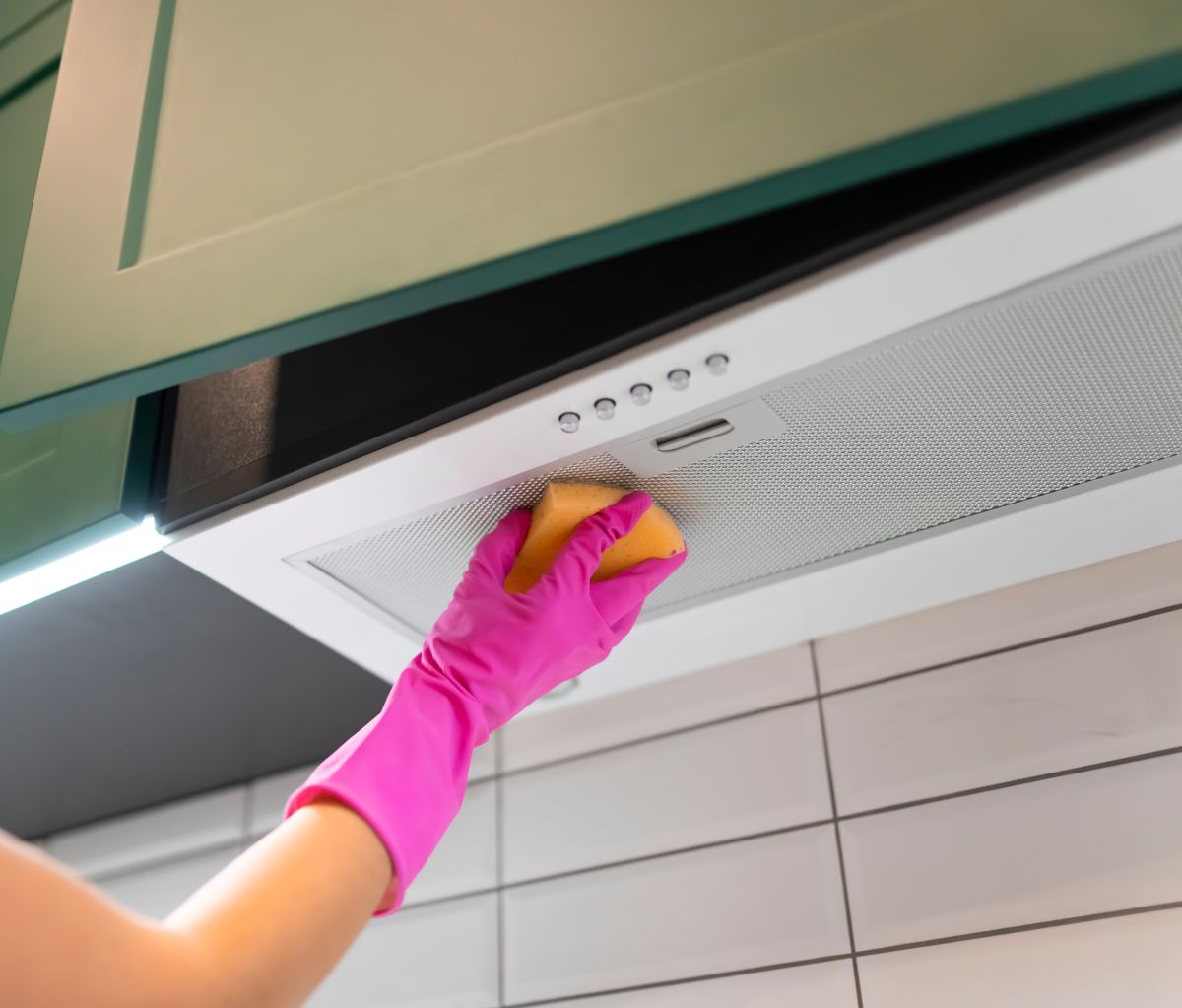
A range hood can look clean from below while grease sits inside the filter mesh. Removing the panel gives a better indication of its condition.
Many filters release with a small latch or tab and slide out of the hood. Check the appliance manual before removing yours, since designs differ between manufacturers.
Once it is out, look across the mesh for sticky residue, discoloration, or sections where the openings appear blocked.
Some metal filters can go in the dishwasher
Certain reusable metal range hood filters are dishwasher-safe, making cleanup much easier. That does not apply to every filter, so check the manufacturer's instructions first.
If dishwasher cleaning is permitted, remove the filter and place it according to the appliance instructions. Filters that cannot go in the dishwasher may require hand washing with warm water and a grease-cutting dish detergent.
Let the filter dry before putting it back into the hood.
Disposable filters are different from washable metal versions and may need replacement rather than washing. The range hood manual should identify which type the appliance uses.
Range hood itself needs attention too
Removing the filter can reveal grease around the surrounding housing and underside of the hood.
Wipe accessible surfaces according to the manufacturer's cleaning instructions rather than concentrating on the mesh alone. Grease can settle around seams, edges, buttons, and other areas close to the cooktop.
The outside of the hood may provide another clue. If it develops a sticky coating soon after being cleaned, checking the filter and ventilation system is worthwhile.
Check above the stove during your next kitchen clean
Counters, sinks, cabinet fronts, and stovetops show dirt fast, which makes them hard to ignore. The range hood filter can keep collecting cooking residue without drawing the same attention.
Next time you clean the stove, look a little higher. Release the filter and inspect the mesh rather than judging it from underneath.
If you cannot remember the last time it came out of the range hood, the grease trapped inside may make the forgotten cleaning job easy to spot.
Leave a Reply