


Frozen chicken can derail dinner when it is still sitting in the freezer an hour or two before you planned to cook. The microwave's defrost button may look like the fastest solution, but speed comes with a tradeoff.
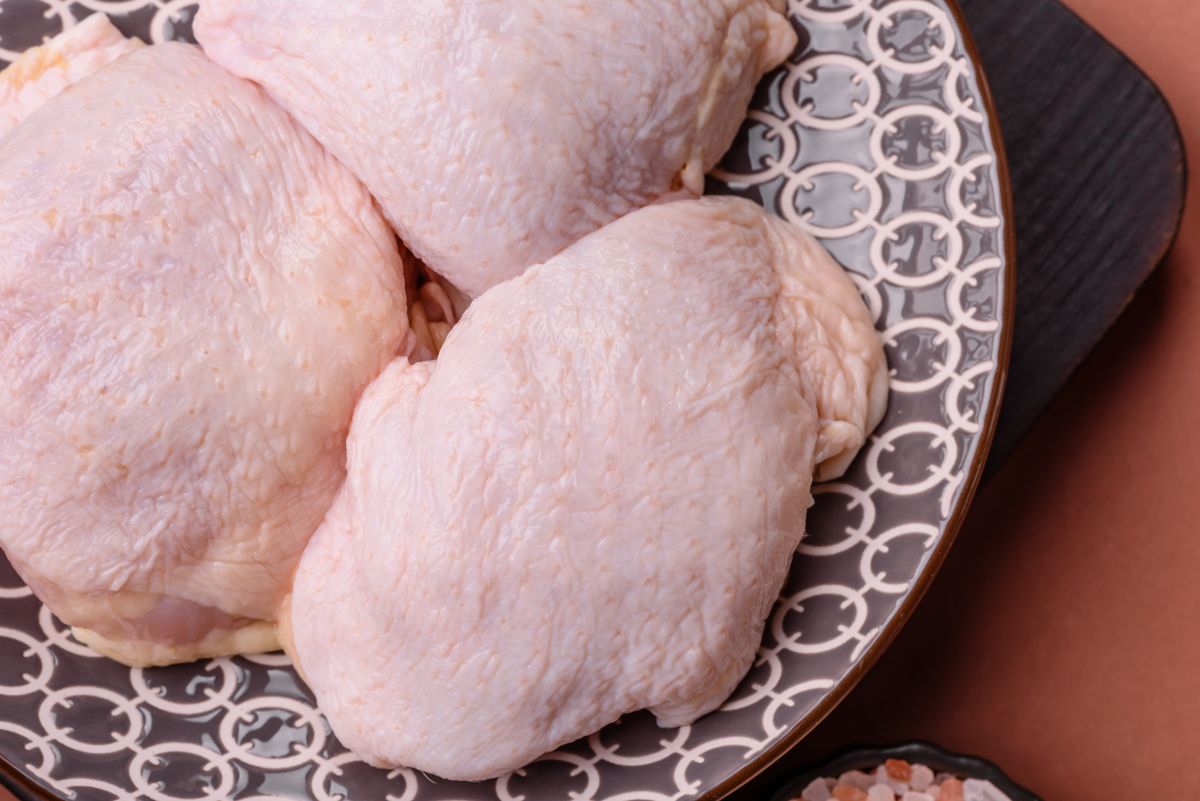
In a comparison of six chicken-thawing methods, the microwave took just four minutes, yet parts of the chicken began turning white and the exterior became dry. A much slower method produced a better result without requiring an overnight wait.
The answer involves a bowl of cold water. Done with the chicken sealed and the water kept cold, the method can get a frozen chicken breast ready to cook in about 1 to 1 ½ hours.
Put frozen chicken in a sealed bag and cold water
Keep the frozen chicken inside leak-proof packaging and submerge it in a bowl of cold water below 40°F. If the chicken floats, place a plate or bowl on top to keep it under the water.
Change the water every 30 minutes so it remains cold. In the test, one chicken breast thawed after about 90 minutes and showed no discoloration or quality problems.
The exact time will depend on the size and amount of chicken, so a larger package can require more time.
Cold water beat the microwave for quality
Microwave defrosting won on speed. One frozen chicken breast took four minutes, including a flip partway through the process.
The problem appeared around the edges. They turned white, while the outside became dry and appeared to have begun cooking. The microwave method received a rating of just 2/10 in the comparison.
Cold-water thawing took far longer at 1.5 hours, but received the highest rating at 9/10. The chicken remained pink, showed no quality issues, and was ready for cooking.
Running water didn't save much time
Leaving cold water running over packaged chicken is another way to speed up thawing. In the test, this brought the time down to about one hour.
That saved only about 30 minutes compared with the cold-water bowl while using a continuous stream of water. The tester concluded that the time saved wasn't worth the amount of water used.
A bowl also requires little attention beyond replacing the cold water every 30 minutes.
Refrigerator thawing still works when you plan ahead
Cold water solves the forgotten-dinner problem, but it doesn't replace refrigerator thawing when there is enough time to plan.
A chicken breast left in the refrigerator for about nine hours came out thawed with no noticeable texture changes or discoloration. The method required no water changes or other work during the thaw.
Its drawback is time. Moving chicken from the freezer to the refrigerator the night before works well, but it won't help much when dinner is approaching and the chicken is still frozen.
Skip the kitchen counter
Thawing chicken is also a food-safety issue. The source notes that harmful bacteria can grow when food sits between 40°F and 140°F, a range the USDA calls the "danger zone."
That is why the cold-water method depends on keeping the water below 40°F and changing it every 30 minutes rather than leaving frozen chicken sitting at room temperature.
So when you discover frozen chicken shortly before dinner, the microwave isn't your only option. Seal the chicken, submerge it in cold water, change that water every half hour, and give it time to thaw without partially cooking the edges.
Leave a Reply