


Boxed brownie mix usually calls for vegetable or another neutral oil, but coconut oil can take its place when you want a dense, fudgy texture. The swap changes the type of fat going into the batter without requiring another change to the boxed mix.
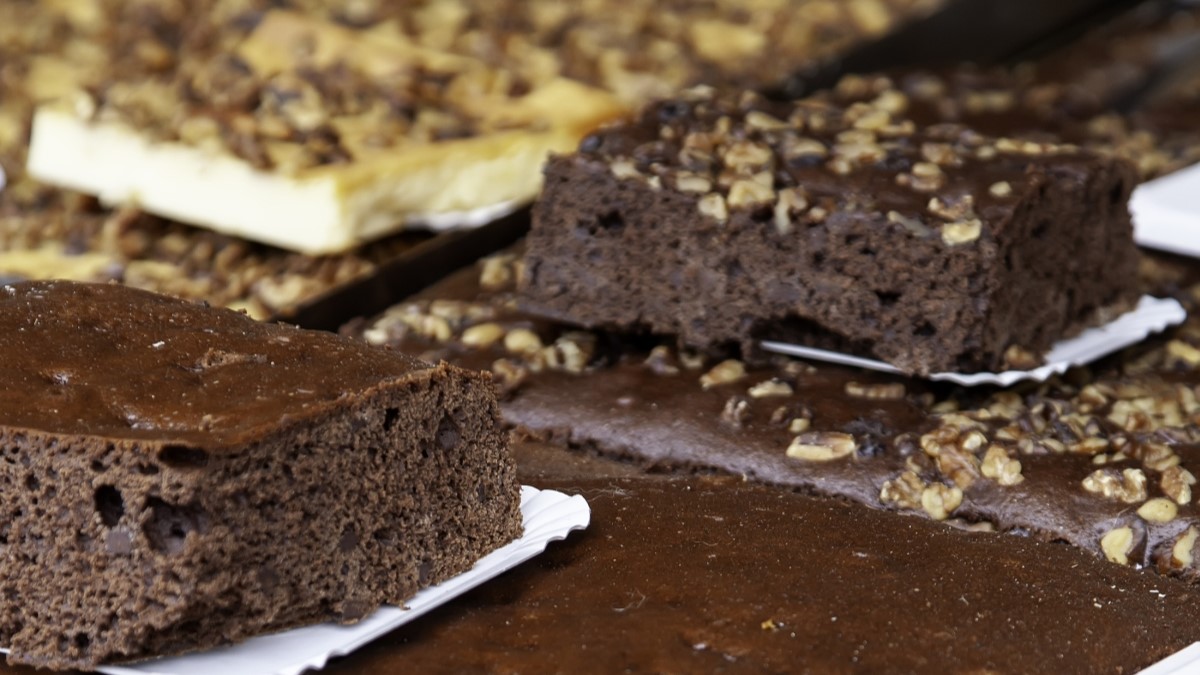
Coconut oil behaves differently from liquid vegetable oil because it firms as it cools. That property can contribute to a firmer, richer bite once the baked brownies have cooled, while the high fat content helps keep the crumb tender rather than cake-like.
Swap Vegetable Oil for Melted Coconut Oil
When replacing the vegetable oil listed on the box, melt the coconut oil first and measure it in liquid form. Use the same amount as the vegetable oil called for unless the brownie mix provides different substitution instructions.
Let the melted oil cool enough that it is no longer hot before combining it with the eggs and other ingredients. Once everything is added, mix only until the dry brownie mix has been incorporated.
Excess mixing can encourage more structure in the batter, working against the dense result you are trying to create. Scrape the bottom and sides of the bowl to catch dry pockets rather than continuing to beat a batter that is already combined.
Choose Refined Coconut Oil if You Want Chocolate to Dominate
Coconut oil comes in refined and unrefined forms, and the difference matters in brownies. Virgin or unrefined coconut oil can retain a noticeable coconut aroma and taste, creating a chocolate-coconut combination.
Refined coconut oil has a more neutral flavor and is the better option when you want the brownies to taste much like the boxed version while changing their texture. Either type can work, so the choice depends on whether coconut flavor is welcome.
Chocolate chips, chopped chocolate, or nuts can still be added to the batter as usual. The oil swap does not require turning the mix into a different recipe.
Give the Brownies Time to Cool Before Cutting
Fudgy brownies can look underdone compared with cake-like brownies, so avoid waiting for the center to become dry before taking the pan from the oven. Follow the box instructions as the starting point and check near the lower end of its recommended baking time.
Cooling matters when coconut oil is involved. Coconut oil becomes firmer as its temperature drops, while the chocolate, sugar, and other fats in the brownies also have time to set. Cutting the pan while it is still hot can give you a much softer center than the final texture.
Let the brownies cool before slicing if you want to judge the effect of the swap. Vegetable oil may be the standard ingredient printed on the box, but coconut oil gives fudge fans another option without requiring a from-scratch brownie recipe.
Leave a Reply