


Many baking problems get blamed on recipes.
The oven gets blamed. The pan gets blamed. The ingredients get blamed. In reality, one of the biggest causes of dense cakes, split batters, and uneven texture starts before the mixer even turns on.
Ingredients pulled straight from the refrigerator often create problems that no amount of baking skill can completely fix later.
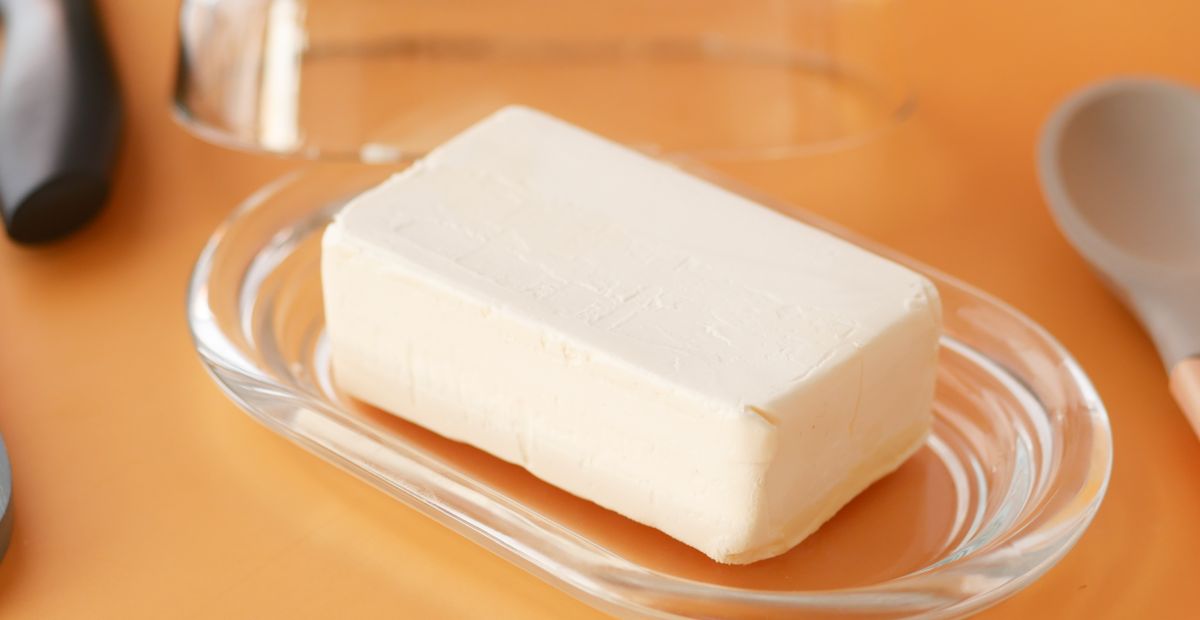
Butter Builds Structure Before The Oven
Butter does more than add flavor.
During mixing, softened butter traps air when combined with sugar. Those tiny air pockets become part of the structure that helps cakes rise and creates a lighter crumb.
Cold butter cannot perform that job properly. Instead of creating volume, it stays firm and resists mixing, leaving behind a batter that starts at a disadvantage.
Eggs Can Break The Emulsion
Many bakers have seen it happen.
A smooth butter mixture suddenly looks curdled after eggs are added. The culprit is often temperature. Cold eggs chill the butter fat on contact, disrupting the emulsion that keeps the batter stable.
The cake may still bake, but texture often suffers.
Cream Cheese Creates Problems Of Its Own
Cheesecake recipes expose the issue quickly.
Cold cream cheese refuses to blend smoothly. Small lumps survive mixing and remain throughout the finished dessert. Frostings face the same challenge, producing uneven textures instead of a smooth finish.
Room-temperature cream cheese blends faster and produces a more consistent result.
Dairy Ingredients Work Better When Warmed Up
Milk, sour cream, buttermilk, and yogurt play a larger role than many people realize.
These ingredients interact with leavening agents and help create the final structure of cakes, muffins, and quick breads. When added straight from the refrigerator, they can tighten batters and interfere with proper mixing.
A simple hour on the counter often prevents those issues.
Soft Butter Is Not The Same As Melted Butter
Temperature mistakes work both ways.
Butter that becomes greasy or partially melted loses its ability to trap air. Cookies spread more than expected. Cakes lose volume. Batters become heavier.
Properly softened butter should yield slightly when pressed without collapsing under your finger.
Pie Dough Follows A Different Set Of Rules
Not every recipe wants warm ingredients.
Pie crust, biscuits, puff pastry, and laminated doughs depend on cold butter. Distinct pieces of butter create steam during baking, producing the flaky layers people expect.
Warm butter blends into the flour too completely and eliminates that effect.
Better Texture Starts Long Before Baking
Most baking advice focuses on mixing techniques and oven temperatures.
Ingredient temperature often matters just as much. Butter, eggs, cream cheese, sour cream, and milk work together more effectively when they share the same temperature, creating smoother batters and more predictable results.
Many baking failures begin in the refrigerator long before they reach the oven.
Leave a Reply