


Bread left on the kitchen counter can dry out or develop mold sooner than expected, and the problem may be the spot chosen for storage. Keeping a loaf near the refrigerator, dishwasher, oven, or another source of heat exposes it to temperature and moisture changes that work against fresh bread.
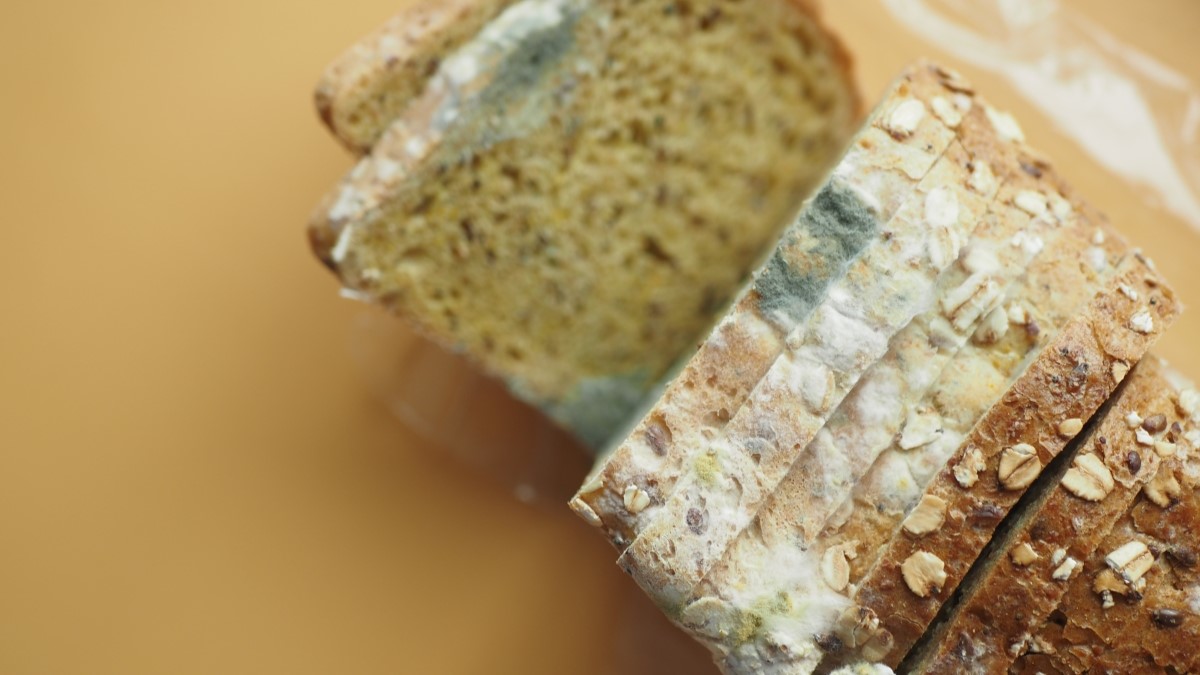
A cool, dry section of the kitchen provides better conditions. For homemade bread and crusty loaves, storage also needs enough airflow to prevent moisture from becoming trapped against the crust.
Move Bread Away From the Dishwasher
A countertop beside the dishwasher may seem like unused storage space, but the appliance releases heat and moisture during a wash and drying cycle. Bread sitting beside it experiences repeated changes in temperature and humidity.
Plastic packaging can trap moisture around the loaf, while bread in paper or breathable wrapping can lose moisture and become stale. A pantry, bread box, or counter away from appliances avoids those swings.
Watch the Space Around the Refrigerator
The inside of a refrigerator is cold, but parts of the appliance release heat as it operates. That makes the counter or cabinet space beside some refrigerators a poor choice for bread if the area becomes warm.
Bread also does not need to go inside the refrigerator as a replacement. Refrigeration can speed starch changes associated with staling, leaving bread firm and dry even when mold has not developed.
Wrap Crusty Bread in a Clean Tea Towel
Fresh sourdough and other crusty homemade loaves need a different balance from soft packaged sandwich bread. Wrapping a cooled loaf in a clean cotton tea towel provides some protection while allowing moisture to escape.
That airflow helps preserve the crust instead of trapping enough moisture to make it soft. Keep the wrapped loaf in a cool, dry place away from direct sunlight and appliances that produce heat.
Freeze Bread You Won't Finish Soon
Bread that needs to last beyond the next few days is better suited to the freezer. Slice the loaf first if you want to remove individual portions without thawing the rest.
Use a freezer-safe bag or tight freezer wrapping and remove excess air before sealing. Instead of trying to extend countertop storage past the bread's useful window, freezing pauses the problem until the next slice is needed.
Leave a Reply