


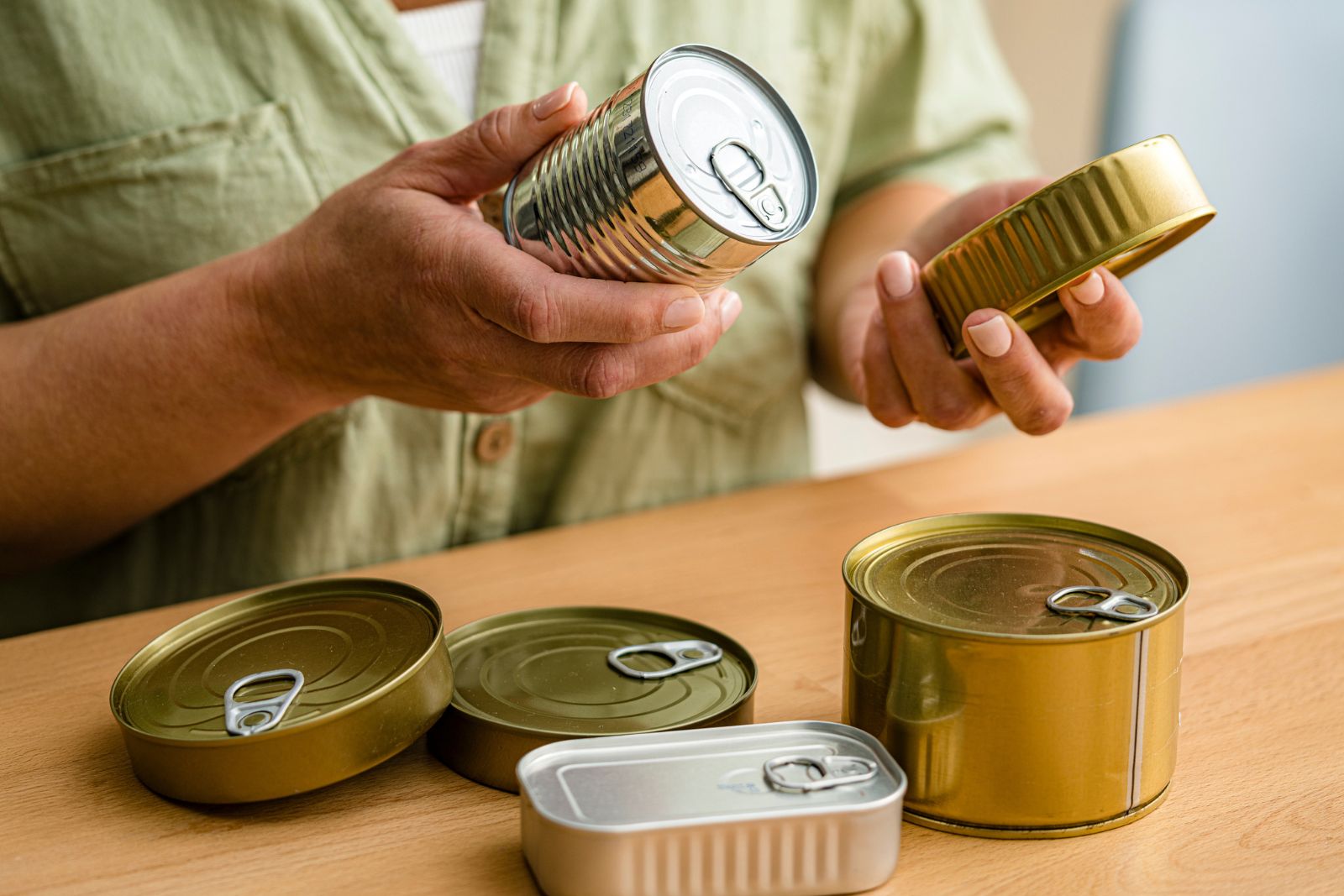
The pantry is nearly empty, payday is three days away, and you want a dinner that won't send your blood sugar soaring. You reach past the cans, assuming canned food means syrup, salt and not much nutrition, and settle for a box of pasta instead.
This is not your fault. Canned food has a reputation it doesn't always deserve. The American Diabetes Association lists several canned options among its good choices, as long as you read the label and know what to skip.
Why the right cans fit a blood sugar plate
The CDC's diabetes plate method fills half the plate with nonstarchy vegetables, one quarter with lean protein such as chicken, beans, tofu or eggs, and one quarter with carb foods. The CDC also explains that eating carbs alongside protein, fat or fiber slows how quickly blood sugar rises.
That's where canned beans, fish and vegetables come in. They supply protein and fiber that pair with the carbs on your plate. The catch is what's added in the can: salt, syrup and sweet sauces.
Eight cans worth keeping on the shelf
- Black beans: ½ cup cooked has 7.5 grams of fiber, according to the Dietary Guidelines for Americans.
- Chickpeas: ½ cup cooked has 6.3 grams of fiber.
- Lentils: ½ cup cooked has 7.8 grams of fiber. The ADA names beans, peas and lentils as plant-based canned proteins.
- Salmon: The ADA lists canned salmon among good canned proteins, and salmon is high in omega-3 fats.
- Sardines: Another omega-3 fish the ADA recommends, often sold in small cans.
- Tuna: The ADA suggests tuna packed in water instead of oil.
- Low-sodium vegetables: The ADA recommends choosing low-sodium canned vegetables. Green beans, one of the CDC's nonstarchy examples, help fill the vegetable half of the plate.
- Fruit in water or juice: The ADA recommends fruit packed in water or 100% juice with no added sugar, rather than syrup.
Rinse before you cook. The ADA advises draining and rinsing canned beans to remove as much added salt as possible. According to the Bean Institute, University of Tennessee researchers found that draining removed about 36% of the sodium in canned beans, and draining and rinsing removed about 41%.
Plan B for a no-cook dinner: toss rinsed chickpeas and water-packed tuna with canned tomatoes, a drizzle of olive oil and lemon. Lively Table's guide to healthy pantry meals has more ideas built on canned tuna, salmon, tomatoes and chickpeas.
Reading the can before it goes in the cart
"Can help" is the honest word. No canned food lowers blood sugar on its own. These are building blocks for a balanced plate, and how much you eat, what you pair them with and your medications all matter.
Beans, lentils and chickpeas sit in the protein quarter of the CDC's plate, but they also contain carbohydrates, so include them in your carb count if your meal plan tracks carbs. Fruit, even packed in juice, contains natural sugar, so keep portions modest.
Check the label for added sugar, sauces and sodium. Skip fruit in heavy syrup and beans in sweet sauces, and look for "no salt added" or "low sodium" on vegetables. If you have diabetes, your doctor, a registered dietitian or a diabetes educator can help you set a carb target and build meals around these cans.
Read the label, rinse the beans, and build the plate around protein and fiber. That's the trick.

Leave a Reply