


Jarred pasta sauce started losing appeal as more home cooks noticed heavy sodium, excess sugar, and long ingredient lists inside many grocery-store versions. At the same time, weeknight dinners still needed something fast, dependable, and easy to repeat without extra grocery trips.
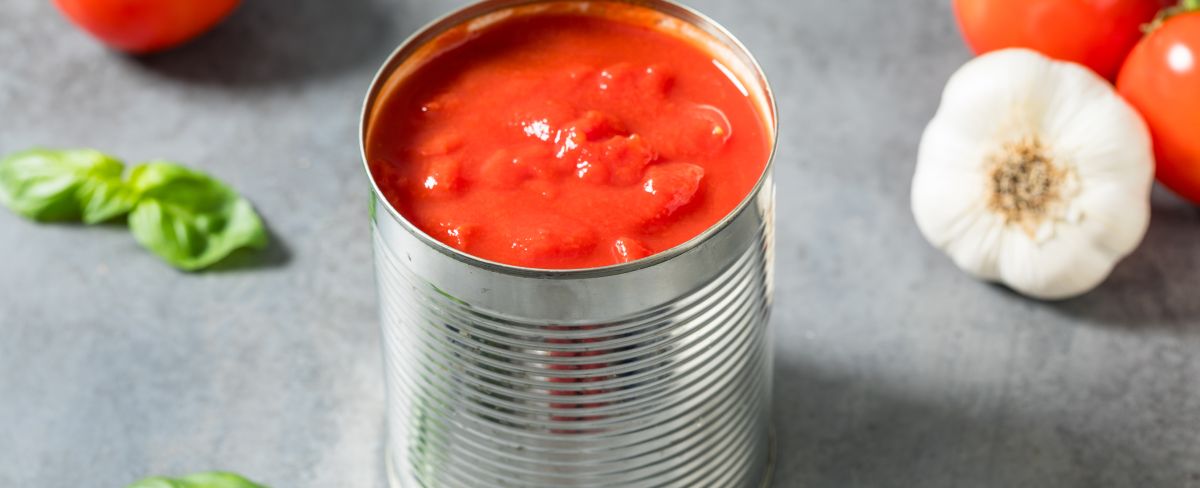
That shift pushed more people toward simple pantry spaghetti sauces built from canned tomatoes, tomato paste, dried herbs, onion, and garlic. Instead of simmering for hours, this version comes together in about 30 minutes while still creating the thicker texture and deeper flavor people expect from long-cooked sauce.
Tomato Paste Changed The Entire Texture
One of the biggest differences between homemade sauce and thinner jarred versions comes from tomato paste.
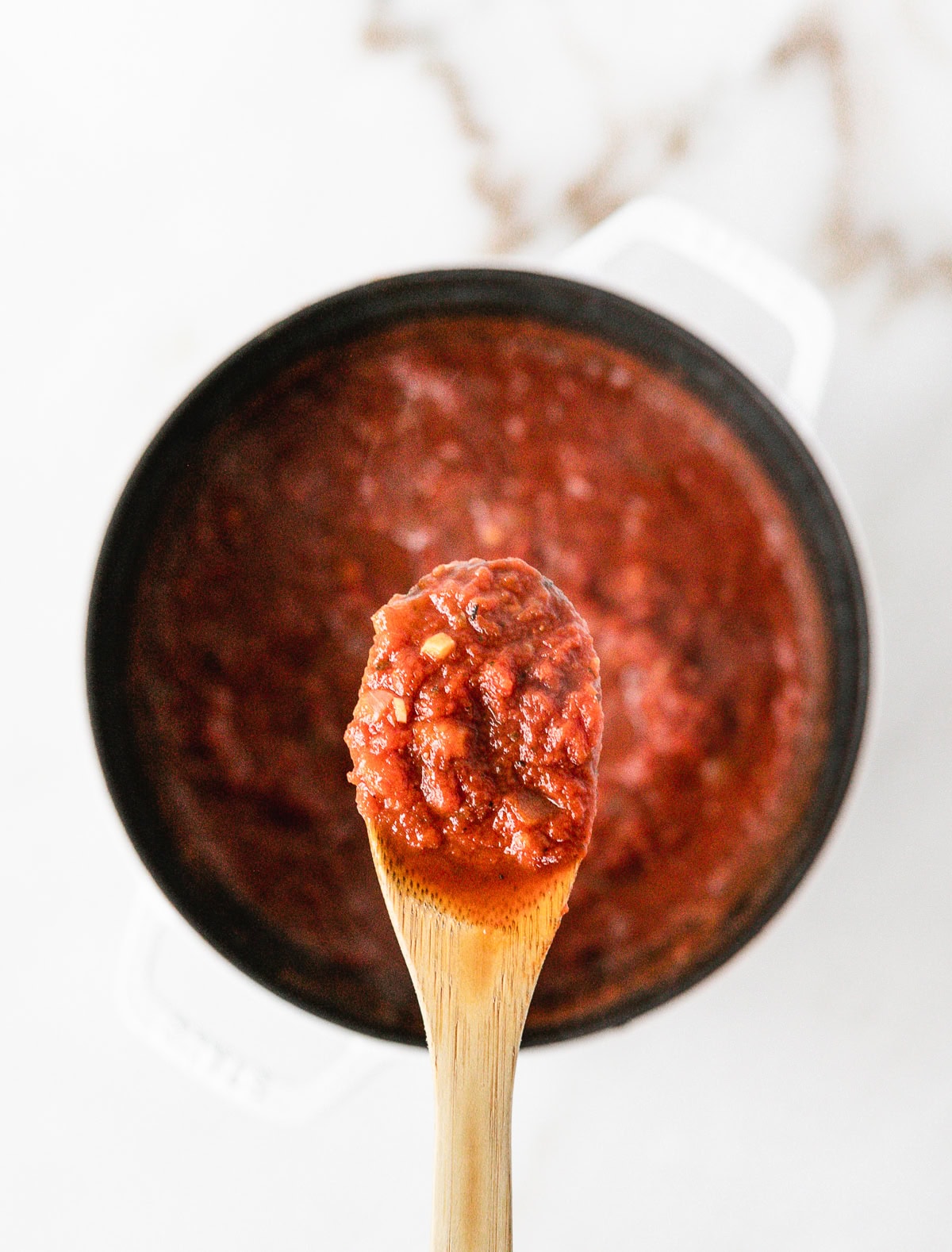
The concentrated tomatoes help thicken the sauce fast while building richer flavor without requiring long simmering. Combined with crushed tomatoes, the sauce starts coating pasta instead of sliding to the bottom of the bowl.
Dried Herbs Started Replacing Fresh Ingredient Runs
Fresh herbs can improve pasta sauce, but they also require extra planning and shorter storage times.
This sauce works with dried oregano, basil, rosemary, thyme, and red pepper flakes instead, which makes it easier to repeat during busy weeknights using ingredients already sitting in the pantry.
Balsamic Vinegar Started Adding Depth Without Sugar
Many jarred sauces rely on added sugar for balance.
This version uses balsamic vinegar to build sweetness and deeper flavor without turning the sauce overly sugary. The vinegar also softens the acidity from canned tomatoes while helping the sauce taste slower cooked than it actually is.
Home Cooks Started Freezing Extra Sauce Instead Of Buying More Jars
Large batches became part of the appeal.
Many people now freeze leftover spaghetti sauce in smaller portions so future dinners require almost no prep. The sauce works across pasta, baked dishes, pizza, meatballs, and meat sauce variations, which makes one batch stretch across several meals.
Pantry Sauces Started Replacing Store-Bought Convenience Food
Part of the shift comes from control. Homemade spaghetti sauce allows people to adjust salt, spice, thickness, meat, and herbs without relying on heavily processed jars.
That flexibility helped pantry spaghetti sauces move back into regular dinner rotations because they create restaurant-style flavor using inexpensive ingredients already sitting in most kitchens.
Leave a Reply