


Fenugreek can move from a vegetable bed to the kitchen, but its leaves and seeds are only part of what makes the plant useful. This edible herb belongs to the legume family, giving it a relationship with soil bacteria that can capture nitrogen from the air.
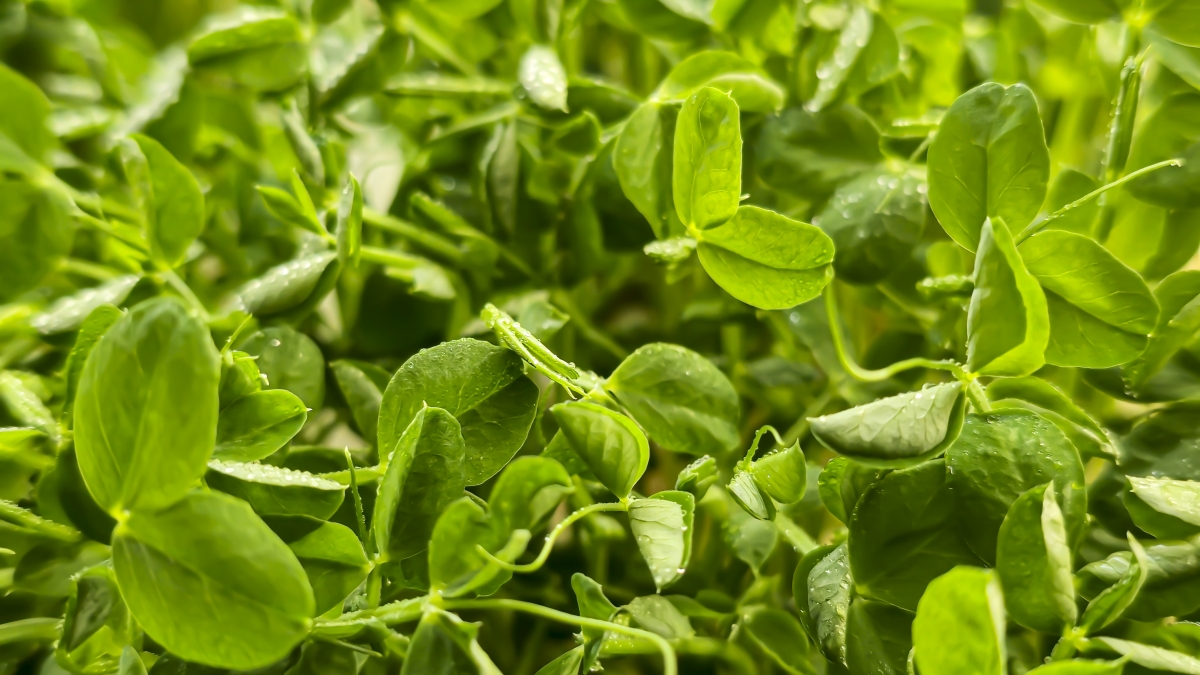
That puts fenugreek in a different category from many herbs grown beside vegetables. Gardeners can harvest the young leaves for cooking and collect the seeds as a spice, while the plant can also contribute nitrogen to the garden system through its roots and plant material.
Known as methi in many Indian dishes, fenugreek has been cultivated for thousands of years and can fit into a food garden without demanding rich soil.
Fenugreek Is an Herb and a Legume
Fenugreek may look more like a small clover than a familiar kitchen herb. Its leaves grow in groups of three, and the plant produces pods containing the seeds used as fenugreek spice.
Its place in the legume family matters below ground. With the right bacteria present, nodules form on the roots where atmospheric nitrogen can be converted into compounds the plant can use.
This does not mean a fenugreek plant acts as a bag of fertilizer for vegetables growing beside it. Much of the captured nitrogen becomes part of the fenugreek itself, with more of that nutrient entering the soil as roots and other plant material break down.
Young Leaves Can Go Straight to the Kitchen
Fenugreek provides an edible harvest before its seeds are ready. Young leaves, often called methi, can be used fresh in dishes that might otherwise call for other leafy greens.
The leaves have a distinct flavor with a bitter edge that becomes stronger as they mature, making younger growth a useful harvest for cooks who want a milder taste. Fresh leaves can go into curries, soups, stews, and cooked vegetable dishes rather than leaving the plant in the garden until seed production.
Harvesting leaves also gives the crop a purpose during the growing season instead of making gardeners wait for mature seed pods.
The Seeds Become a Spice
Allowing some fenugreek plants to mature provides a second kitchen ingredient. Seeds develop inside pods and can be dried for use as a spice, creating a different product from the fresh leaves harvested earlier.
Fenugreek seeds have a strong aroma often compared with maple syrup, paired with bitterness that makes them distinct from sweet spices. They appear in Indian cooking and spice blends, where small amounts can contribute a flavor that the fresh greens do not provide in the same form.
One planting can therefore supply both an herb and a spice, depending on when the plant is harvested.
Fenugreek Doesn't Need Rich Garden Soil
Fenugreek can grow in soil that does not contain the nutrient levels demanded by some vegetable crops, but drainage matters. The plant does not respond well to soil that stays wet, so a bed that sheds excess water offers better conditions than a saturated section of the garden.
Full sun suits the crop, though high summer heat can work against it. Fenugreek favors cooler growing conditions, making planting time an important consideration in climates where midsummer temperatures stay high.
Its short growing cycle also makes it easier to fit around other edible crops rather than dedicating permanent garden space to the herb.
The Whole Plant Can Have a Job
Fenugreek offers several choices at harvest instead of producing one usable part. Young leaves can enter the kitchen as an herb, mature pods provide seeds for the spice cabinet, and roots and leftover plant material can remain part of the garden after the crop finishes.
That final stage is where its role as a legume becomes useful. Rather than expecting fenugreek to supply nitrogen straight to neighboring vegetables during growth, gardeners can treat the crop as part of a longer soil cycle in which plant residues return organic material and captured nutrients to the bed.
For a food garden with limited space, that gives fenugreek a reason to grow beside more familiar vegetables beyond the leaves visible above the soil.
Leave a Reply