


Few kitchen rules get repeated more often than this one: never put tomatoes in the refrigerator.
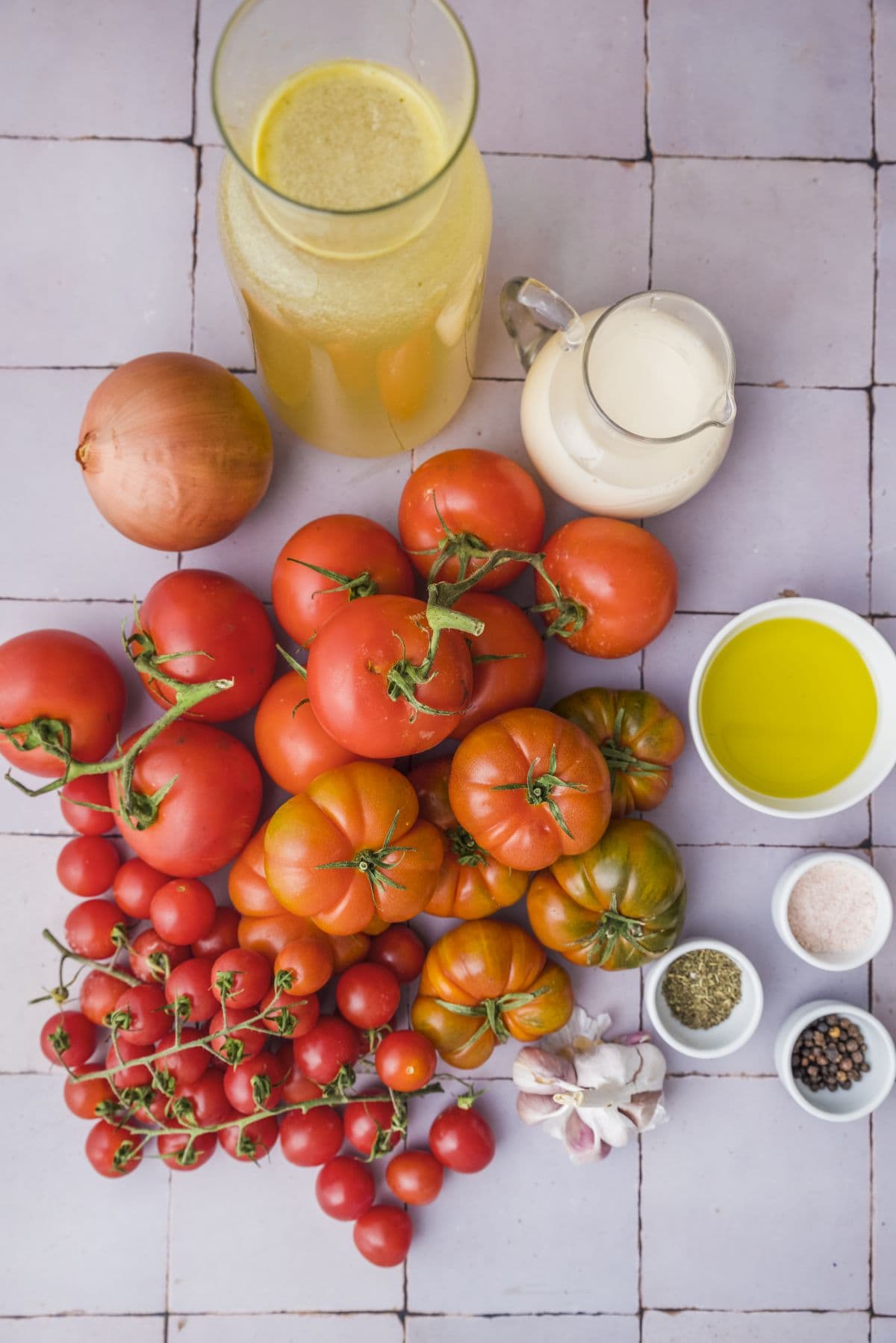
For years, I followed it without question. Every tomato stayed on the counter until it was eaten. The logic seemed sound. Refrigerators are cold, tomatoes dislike cold temperatures, and refrigeration supposedly ruins flavor and texture.
The problem is that ripe tomatoes do not wait around for perfect timing. Once they reach their peak, the countdown begins. Leave them sitting out too long and they can become soft, dull, and overripe much faster than many people expect.
The Counter Is Still The Right Place For Unripe Tomatoes
A tomato that still feels firm needs time.
At this stage, room temperature helps the ripening process continue. Refrigeration slows the natural changes that develop flavor, color, and texture, which is why an underripe tomato should stay on the counter until it softens slightly and reaches full ripeness.
This is where the traditional advice remains correct.
The Rules Change Once Tomatoes Reach Their Peak
A ripe tomato has a short window where everything comes together.
The texture feels right. The flavor reaches its strongest point. The aroma becomes noticeable before the first slice.
Once that moment arrives, leaving the tomato on the counter does not improve it further. The tomato starts moving in the opposite direction.
The Refrigerator Became A Pause Button
The biggest misconception is that refrigeration always damages tomatoes.
Research and taste tests suggest the situation is more nuanced. While refrigeration is not ideal for ripening tomatoes, it can help preserve ripe tomatoes by slowing further deterioration. In many cases, a ripe tomato stored in the refrigerator performs better than one left sitting in a warm kitchen for several extra days.
Think of the refrigerator as a pause button rather than a storage mistake.
Heat Creates Its Own Problems
Many tomato rules were built around ideal room temperatures.
Real kitchens are not always ideal.
During warm weather, countertops can expose tomatoes to temperatures far above what researchers consider optimal for storage. Under those conditions, a ripe tomato can lose quality faster than expected. Refrigeration may actually preserve more of what made the tomato worth buying in the first place.
What I Actually Do
If a tomato is still firm, it stays on the counter.
Once it reaches peak ripeness and I know I will not eat it that day, it goes into the refrigerator. Before serving, I let it sit out for a short time so the flavor has a chance to wake back up.
The approach is simple: ripen on the counter, preserve in the refrigerator.
The Best Tomato Is The One You Eat In Time
Storage advice often focuses on rules.
The better question is whether the tomato will still be at its best when you are ready to eat it. For unripe tomatoes, that means patience. For ripe tomatoes, that sometimes means using the refrigerator instead of avoiding it.
Have you always kept tomatoes on the counter, or do you move ripe ones to the refrigerator? Share your approach in the comments.
Leave a Reply