


As outdoor temperatures climb, many people head straight to the refrigerator controls. Turning the temperature lower feels like the obvious response to a hotter kitchen. Appliance experts, however, say most modern refrigerators are designed to maintain safe temperatures year-round without seasonal adjustments.
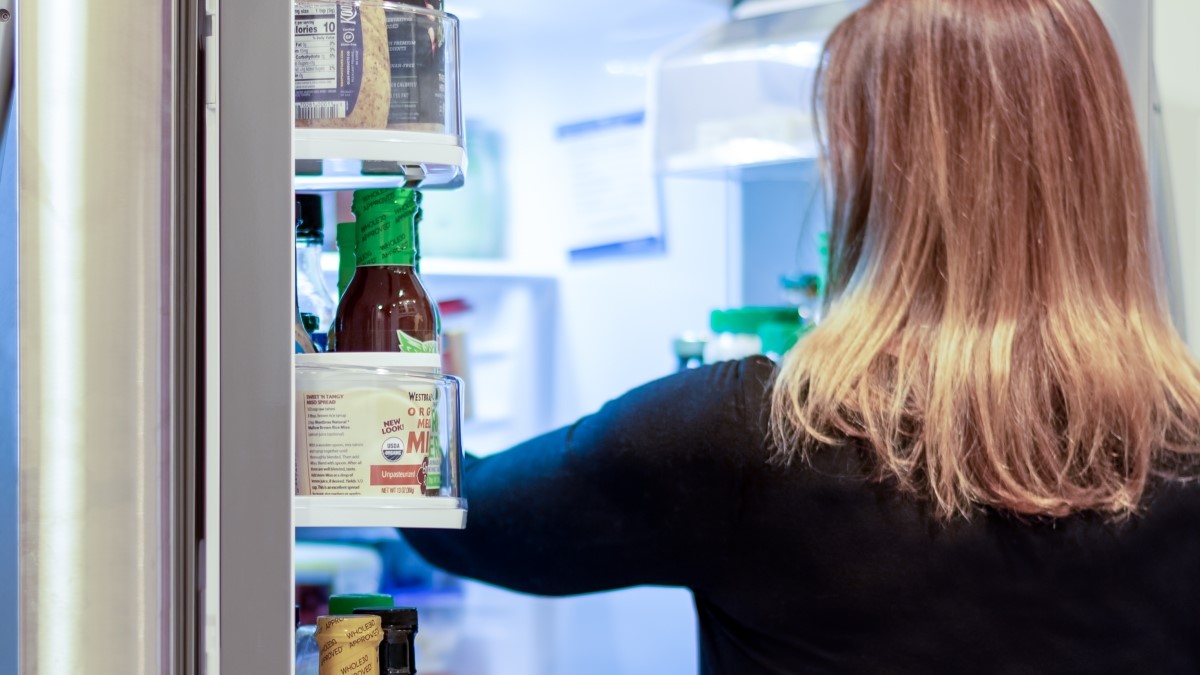
Instead of changing the setting every summer, more homeowners are checking whether their refrigerator is actually staying below the recommended temperature. If it is, lowering the dial further usually isn't necessary.
The Temperature Doesn't Need to Change With the Weather
According to the U.S. Department of Energy, refrigerators should stay at about 37°F, while food should always remain below 40°F to slow bacterial growth. As long as the appliance maintains that range, summer heat alone is not a reason to make it colder.
Many newer refrigerators display the internal temperature, making it easy to confirm they're cooling properly. Older models with numbered dials may require a refrigerator thermometer to verify the temperature before making adjustments.
Poor Cooling Often Starts Somewhere Else
When a refrigerator struggles during summer, the problem often has little to do with the temperature setting. Dirty condenser coils, damaged door gaskets, blocked air vents, or leaving the door open too long can all reduce cooling performance.
Allowing hot leftovers to cool before refrigerating them and limiting how often the door stays open can also help the appliance maintain a steady temperature.
A Fuller Fridge Holds Cold More Efficiently
Another habit gaining attention is keeping the refrigerator reasonably full. Cold food and drinks help stabilize the internal temperature, reducing the amount of work the compressor has to do after the door opens.
If the refrigerator is nearly empty, storing pitchers of water or canned drinks can help maintain that cold reserve without changing the temperature setting.
Checking the Temperature Is Replacing Seasonal Guesswork
Rather than lowering the controls every time summer arrives, more homeowners are confirming the refrigerator's actual temperature before making any changes.
That small shift is helping people focus on maintenance and food safety instead of assuming hotter weather always requires a colder refrigerator.
Leave a Reply