


A few sprouts on a potato often send the whole bag straight into the trash. More home cooks are taking a closer look before throwing them away after learning that sprouts are only part of the story.
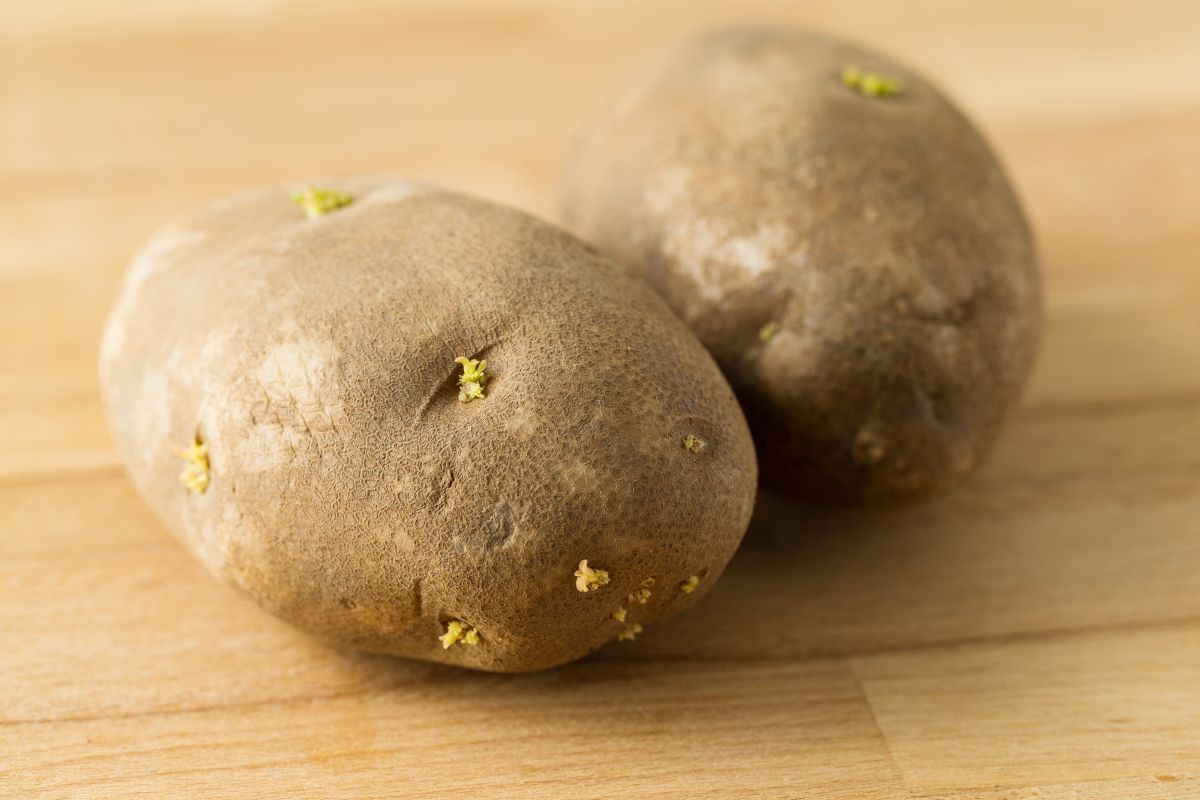
Instead of focusing on the shoots alone, they're checking the potato's firmness, color, and smell first. Those signs reveal far more about whether it can still be cooked or whether it's time to discard it.
Firm Potatoes Can Still Be Usable
A potato with a few small sprouts can often still be prepared if it remains firm and has no large green areas. Removing the sprouts and trimming away small green spots may leave the rest of the potato suitable for cooking.
Sprouting often happens because potatoes have been stored too long or exposed to light, humidity, or warmer temperatures rather than because they have spoiled.
Green Skin Is the Bigger Warning Sign
While sprouts grab attention first, extensive green coloring deserves more caution. Green areas can indicate higher concentrations of naturally occurring glycoalkaloids, including solanine and chaconine.
If green patches extend beneath the skin or the potato is covered with long sprouts, it's generally safer to throw it away.
Texture and Smell Matter Too
A firm potato has a much better chance of being usable than one that feels soft, shriveled, or mushy. An unpleasant odor is another clear sign the potato has passed its usable stage.
Even after peeling, a bitter taste or burning sensation means the potato should not be eaten.
A Quick Check Can Prevent Food Waste
Rather than discarding every sprouted potato automatically, many home cooks are inspecting the entire potato before making a decision.
A firm potato with only a few small sprouts may still end up on the dinner table, while one that is soft, green, or heavily sprouted belongs in the compost or trash.
Leave a Reply