


Butter and olive oil have long been the standard choice for frying eggs. Both help prevent sticking, but they can also brown too fast, leave grease behind, and make it harder to control how the whites and yolk cook.
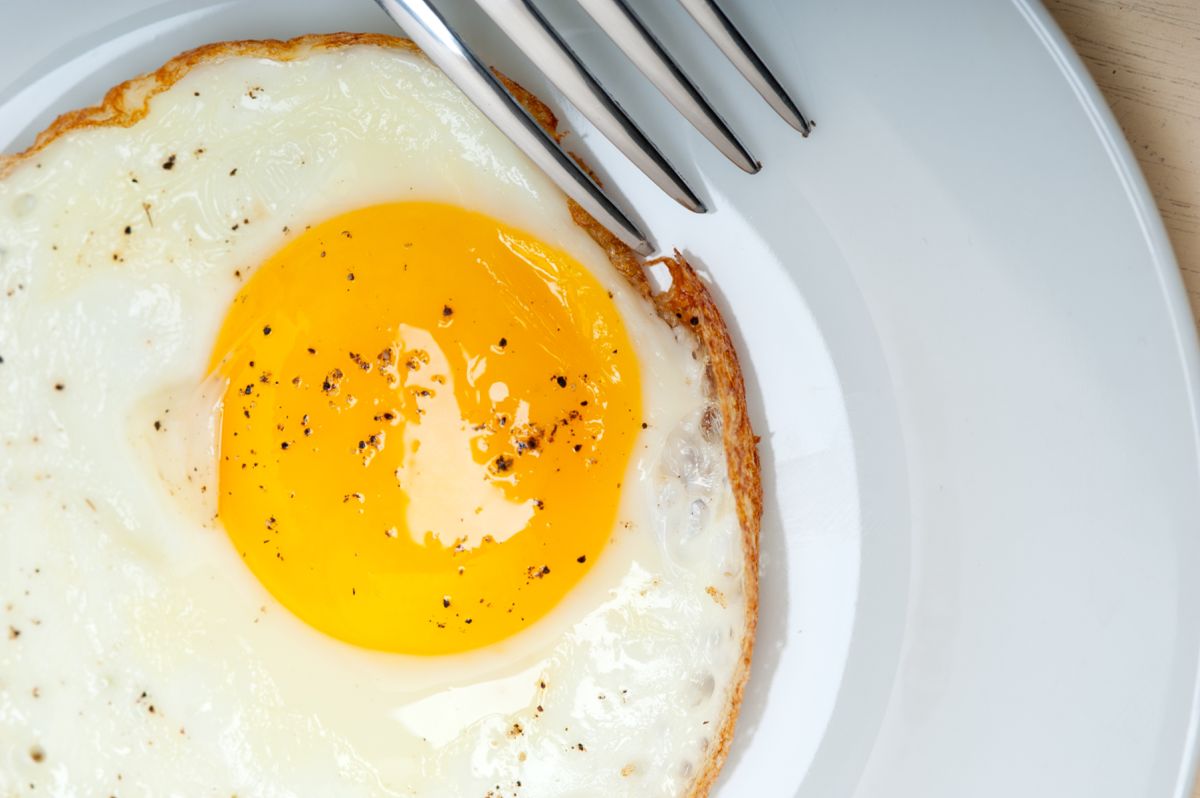
More home cooks have started using a different technique. Instead of relying on butter or oil alone, they add a small splash of water to the pan and cover it with a lid. The trapped steam cooks the top of the egg while the bottom stays tender, producing firm whites and a soft yolk without extra fat.
Steam Cooks The Top Of The Egg
One problem with fried eggs is uneven cooking.
The bottom sits against the hot pan while the top cooks much slower. Adding a tablespoon or two of water creates steam that surrounds the egg after the pan is covered, helping the whites set without overcooking the underside.
Less Fat Changes The Texture
Butter adds richness, but it also changes how the egg cooks.
Water creates no greasy layer around the edges. The whites stay tender instead of crisp, and the yolk remains soft without needing extra oil in the pan.
The Whites Finish Faster
Many people remove fried eggs too early to protect the yolk.
Steam speeds up cooking across the surface, allowing the whites around the yolk to firm before the bottom begins to brown too much. That balance makes it easier to serve eggs with fully cooked whites and a runny center.
The Pan Stays Cleaner
Butter and oil often leave browned residue behind.
Water evaporates during cooking, leaving less buildup in the pan. Cleanup becomes faster because there is less grease and fewer cooked-on bits to remove afterward.
One Lid Changes The Whole Process
The technique depends on trapping steam.
After adding water, placing a lid over the pan keeps the moisture inside. In a minute or two, the steam finishes cooking the top of the egg without flipping it or covering the yolk with hot oil.
More Home Cooks Are Frying Eggs With Steam
The goal is not to replace frying with boiling.
Instead, this technique combines direct heat with steam to cook the egg more evenly. A small splash of water and a lid create tender whites, soft yolks, and less mess, helping explain why more kitchens are moving beyond butter alone.
Leave a Reply