


Most backyard grills cook ribs over direct flames, which leaves the meat dry, tough, or covered in sauce without deep barbecue flavor. That started pushing more home cooks toward slow charcoal setups that create smoke flavor and tender meat without needing a full smoker.
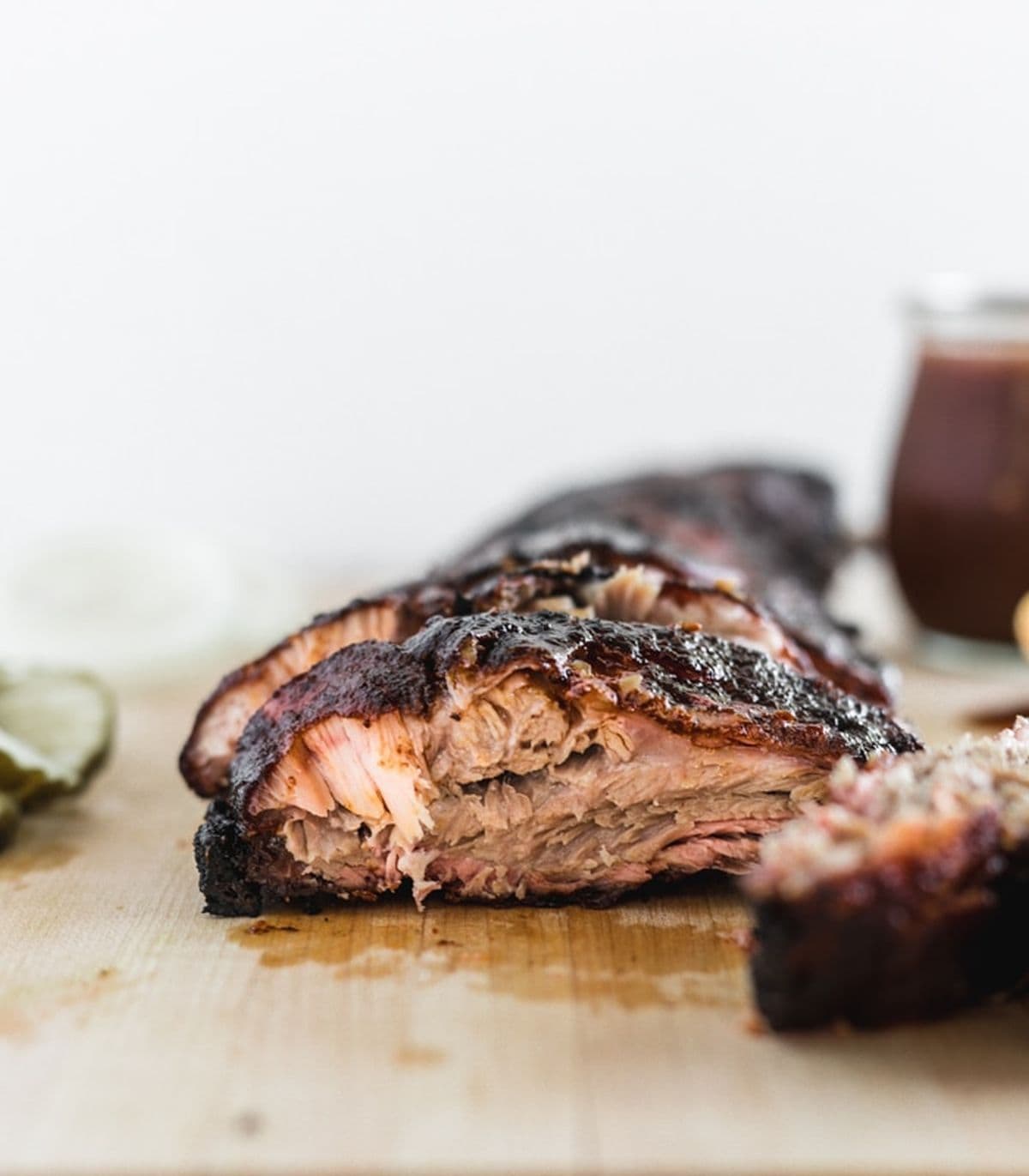
This method changes the entire grill setup. Instead of placing ribs over hot coals, the fire stays on one side while the ribs cook beside a foil pan filled with water. Hours of indirect heat build soft meat, darker bark, charred edges, and the type of texture usually connected to Texas barbecue restaurants and large smokers.
Indirect Heat Changed The Texture
The biggest shift comes from moving the ribs away from direct flames. The charcoal burns on one side of the grill while the ribs sit on the cooler side beside a water pan.
That setup slows the cooking process and keeps the meat from drying out before the inside turns tender. The water pan also helps hold moisture inside the grill while the charcoal and wood chunks build smoke flavor across the ribs.
Low Temperatures Built Real Barbecue Flavor
Fast grilling cooks meat quickly but does not create the same deep flavor as slow barbecue. This setup keeps the grill around 275 degrees for several hours instead of blasting the ribs over high heat.
That longer cook gives the fat and connective tissue time to break down. The outside starts forming darker edges while the inside becomes softer and easier to pull from the bone.
Wrapping The Ribs Locked In The Juices
After the ribs spend time over indirect heat, the racks get wrapped tightly in foil and return to the grill.
That extra step traps steam and juices inside the foil, which pushes more moisture back into the meat. The texture changes fast during this stage and starts producing the fall-off-the-bone texture many people want from barbecue ribs.
Returning The Ribs To The Fire Built Charred Edges
Once the foil comes off, the ribs return to the grill again for the final stage.
Some people place the meat side down over stronger heat for darker charred edges. Others brush barbecue sauce across the ribs every few minutes to build a thick sticky coating that caramelizes over the fire.
That final step creates the contrast between smoky bark, crisp edges, soft meat, and sticky sauce that makes restaurant-style barbecue ribs stand out from standard grilled ribs.
Charcoal Grills Started Replacing Smokers For Backyard BBQ
Large smokers take up space, cost more money, and often sit unused outside of major cookouts. That started pushing more backyard cooks toward charcoal grills that can create similar results with a different setup.
With indirect heat, wood chunks, water pans, and longer cooking times, standard charcoal grills started producing the same smoke flavor and tender texture that many people normally connect with dedicated smokers.
Leave a Reply