


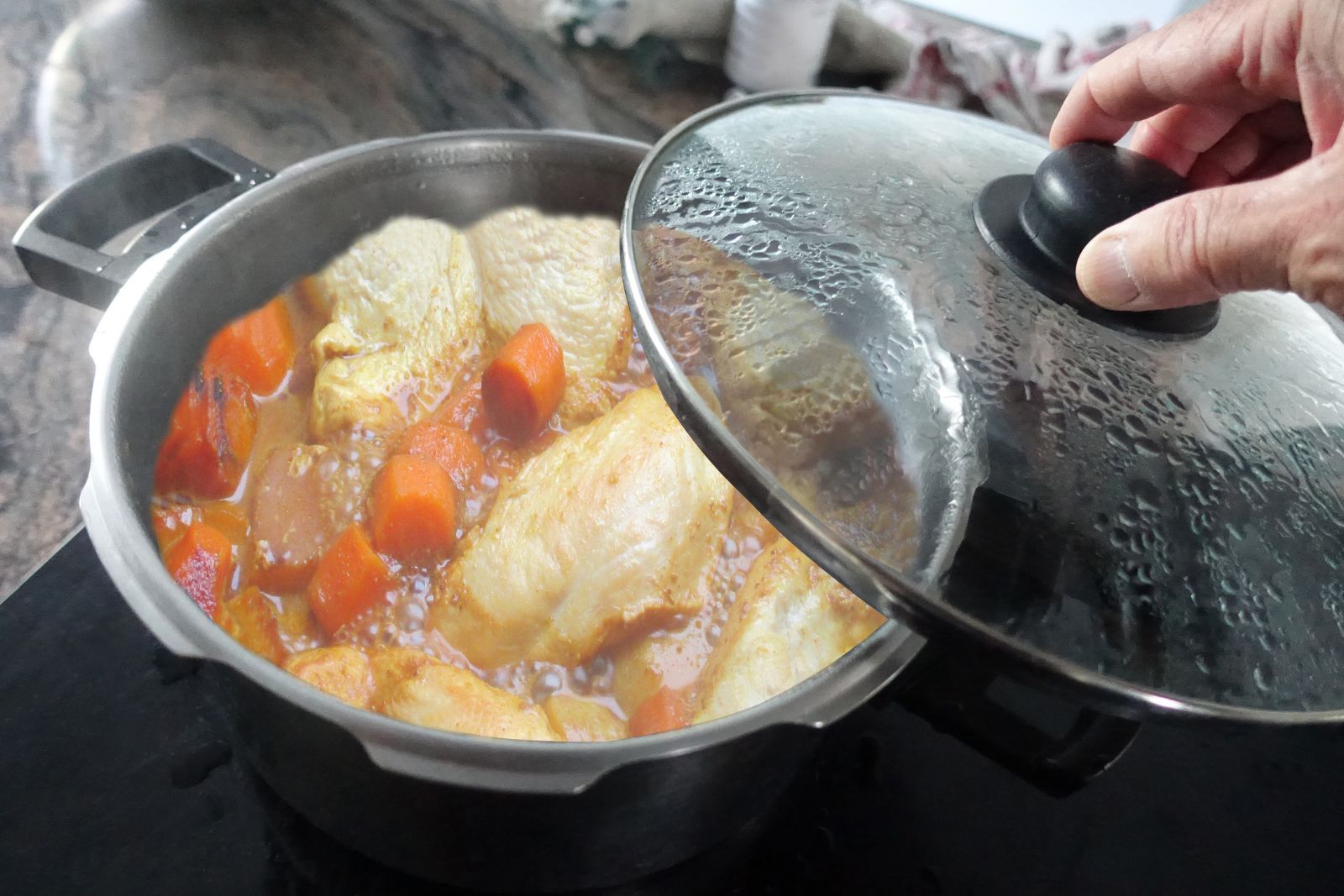
The chicken stew has been on the stove for an hour. You've chopped carrots, celery and potatoes, opened a carton of broth and added a bay leaf and a few herbs. Then you taste it, and it's pale and thin, with a flavor that's hard to describe beyond "chicken."
This is not your fault. More ingredients don't always mean more flavor, and a long list can water down the ones doing the real work. A stripped-down recipe published by the food site Directo al Paladar takes the opposite approach: onion, paprika, chicken and yogurt, plus oil, salt and pepper.
Why a spoonful of paprika carries the pot
The recipe is a simpler take on Hungarian chicken paprikash, adapted from a method by food writer J. Kenji López-Alt. Its flavor comes from a generous amount of paprika, 4 to 6 teaspoons or up to ¼ cup, cooked for about a minute in oil with the onion before the chicken goes in. The recipe's main warning is to keep stirring so the paprika doesn't burn.
Two details keep the sauce from tasting flat. The paprika has to be fresh and fragrant, since an old jar has little left to give. And the chicken should ideally be bone-in with the skin on, which the recipe recommends for more flavor. As the pot simmers covered, the chicken releases its own juices, which become the base of the sauce.
Four ingredients, five steps
- Soften the onion. Slice 1 onion thinly and cook it in a little olive oil over medium-low heat until soft.
- Bloom the paprika. Stir in 4 to 6 teaspoons of paprika, sweet, smoked or a mix, and keep stirring for about 1 minute so it doesn't scorch. Add bone-in, skin-on chicken thighs seasoned with salt and pepper.
- Simmer covered. Stir to coat, turn the heat to its lowest setting, cover and cook about 30 to 45 minutes. The chicken is done when a thermometer reads at least 165°F, the safe minimum for all poultry according to FoodSafety.gov.
- Skim and measure. Lift out the chicken. Pour the juices into a measuring cup, skim off the fat on top and add water or broth to reach about 1½ cups.
- Finish with yogurt. Return the sauce to the pot, stir in ½ cup of plain yogurt, then add the chicken back and turn it to coat.
Plan B if yogurt isn't in the fridge: the recipe also works with sour cream, crème fraîche or heavy cream. Serve the stew with rice, pasta, mashed potatoes or bread to soak up the sauce.
If your paprika has been in the cabinet for a while, it may be time for a new jar. Paprika, smoked or sweet, is on Lively Table's list of essential spices to stock.
Small adjustments for the pot on your stove
Paprika varies a lot by type. Smoked paprika is bolder, and hot paprika adds real heat, so start at the low end of the range if you're cooking for kids or anyone sensitive to spice, then taste before adding more.
Skin-on thighs add flavor and fat. Skimming the juices before you add the yogurt removes much of that fat. If you prefer leaner meat, boneless skinless thighs or breasts work, though they cook faster, so start checking the temperature sooner.
Plain Greek yogurt makes a thicker sauce than regular yogurt. If someone at the table avoids dairy, the yogurt is the ingredient to rethink, since every finishing option in the recipe is dairy.
Leftovers should go into the fridge within 2 hours. When you reheat a portion, bring it back to 165°F, as FoodSafety.gov advises for all leftovers.
Bloom the paprika, let the chicken make its own sauce, and finish with yogurt. That's the trick.

Leave a Reply