


Softened butter often creates a small kitchen dilemma. A stick comes out for baking, plans change, and hours later the butter still sits on the counter. Many people assume it needs to be discarded or used immediately. In reality, butter is far more forgiving than most refrigerated foods.
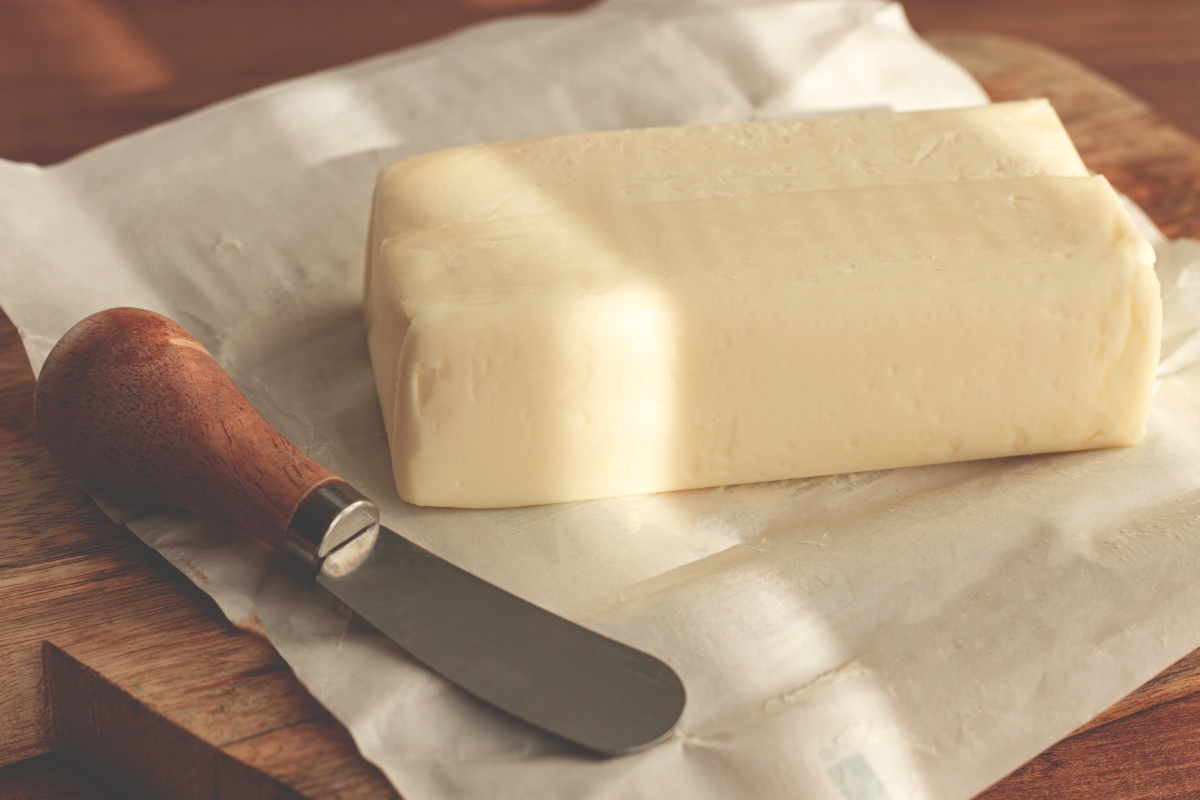
Its high fat content and low moisture make it difficult for bacteria to grow, which means softened butter can often return to the refrigerator without any problems.
Butter Lasts Longer on the Counter Than Most People Think
Many foods enter the danger zone after a couple of hours at room temperature. Butter behaves differently.
Because butter contains very little water and a large amount of fat, it creates an environment where bacteria struggle to multiply. Food safety guidance generally allows butter to remain at room temperature for extended periods compared with milk, meat, or other dairy products.
That means a stick left out for baking does not automatically become unsafe.
Softened Butter Can Return to the Refrigerator
The biggest surprise for many home bakers is that softened butter does not need to be thrown away.
If the butter has been sitting at normal room temperature and still looks and smells normal, it can go right back into the refrigerator. The texture will firm up again once chilled.
Many people do this regularly after measuring ingredients for cookies, cakes, pie crusts, and other baked goods.
Temperature Matters More Than Time
A cool kitchen and a hot kitchen create very different conditions.
Butter sitting in a room around 70°F behaves differently than butter sitting near a sunny window during summer. Higher temperatures can affect flavor, texture, and freshness much faster.
If the kitchen feels warm, returning unused butter to the refrigerator sooner helps preserve quality.
Quality Changes Before Safety Becomes a Problem
Butter often loses quality before it becomes unsafe.
Extended exposure to warmth can affect flavor, aroma, and texture. The butter may absorb odors from the kitchen or develop a stale taste over time.
Those changes do not necessarily indicate a food safety issue, but they can make the butter less enjoyable to use.
Covered Butter Stays Fresher
One reason butter dishes and butter bells remain popular comes down to protection.
Covering butter limits exposure to air, kitchen odors, and accidental contamination. It also helps maintain a better texture for spreading while protecting flavor.
Even when stored on the counter, covered butter generally holds up better than an uncovered stick.
The Next Time Plans Change, Don't Panic
Many baking projects start with softened butter and end with leftovers.
Instead of rushing to use it or assuming it belongs in the trash, most softened butter can return to the refrigerator and wait for the next batch of cookies, muffins, or cake. For a kitchen staple that spends most of its life chilled, butter turns out to be far more resilient than many people realize.
Leave a Reply