


Guessing when meat is done has long been part of home cooking. Many people still rely on cooking time, color, or pressing the surface with a finger. More home cooks, however, have started keeping a digital meat thermometer within reach instead of relying on those methods alone.
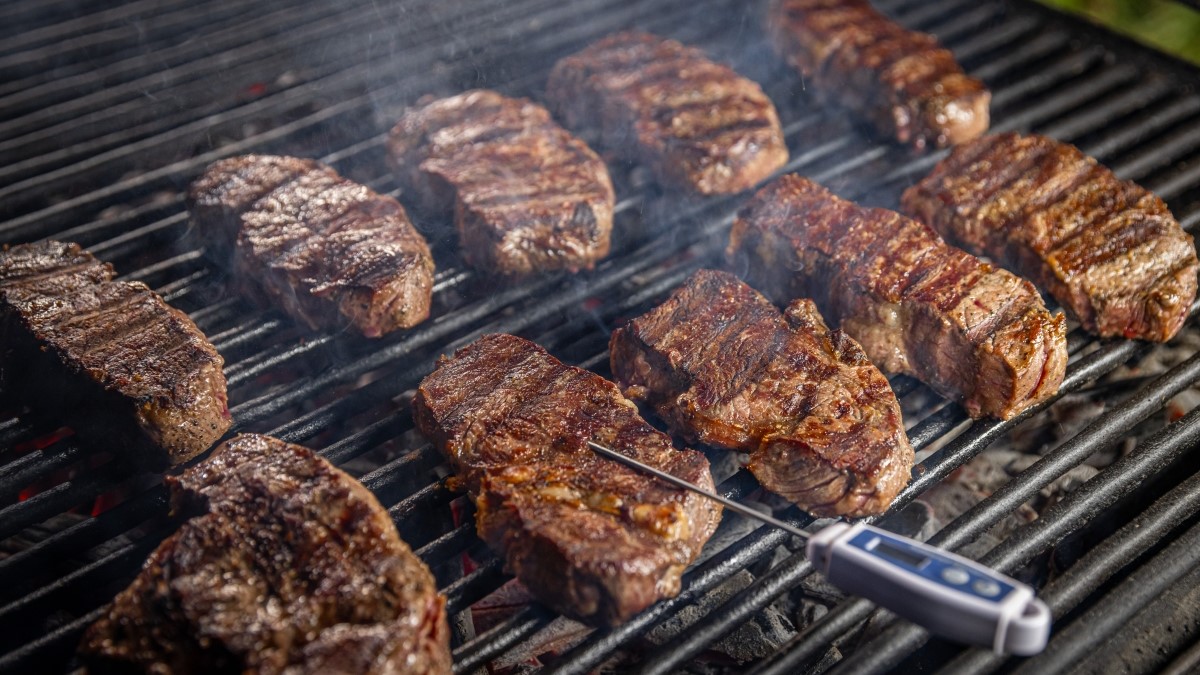
The change reflects a growing focus on both food safety and consistent results. A quick temperature check removes much of the uncertainty from cooking chicken, beef, pork, fish, and even casseroles, helping prevent food from ending up either undercooked or dry.
Temperature Replaces Guesswork
Cooking time can vary depending on the thickness of the meat, the starting temperature, the pan, or the grill. Two chicken breasts cooked for the same amount of time may finish at different temperatures.
A digital thermometer provides an instant reading from the center of the food, allowing cooks to remove meat from the heat at the right moment instead of relying on appearance alone.
Food Safety Starts With the Right Internal Temperature
The U.S. Department of Agriculture recommends using a food thermometer because color and texture cannot reliably determine whether meat has reached a safe internal temperature. Chicken should reach 165°F, while steaks, chops, and roasts each have their own recommended temperatures depending on the cut and desired doneness.
More Than a Tool for Meat
Digital thermometers have become useful beyond grilling and roasting. Home cooks now use them to check homemade bread, caramel, frying oil, casseroles, reheated leftovers, and even baked potatoes.
That versatility has helped turn the thermometer from a gadget stored in a drawer into a tool that stays close to the stove throughout the week.
Consistent Results Keep It Within Reach
Removing meat at the correct temperature allows it to finish cooking during the resting period instead of staying over the heat too long. That helps preserve moisture while reducing the chance of overcooking.
As more home cooks prioritize consistency over guesswork, meat thermometers have started earning a permanent place among the most-used tools in the kitchen.
Leave a Reply