


Carbonara can go from glossy sauce to sticky cheese clumps within seconds. One home cook ran into that problem after draining the pasta, returning it to the pan, adding Parmesan, then pouring reserved hot pasta water over the top. Instead of coating the noodles, the cheese stuck to the spoon and pan in large globs.
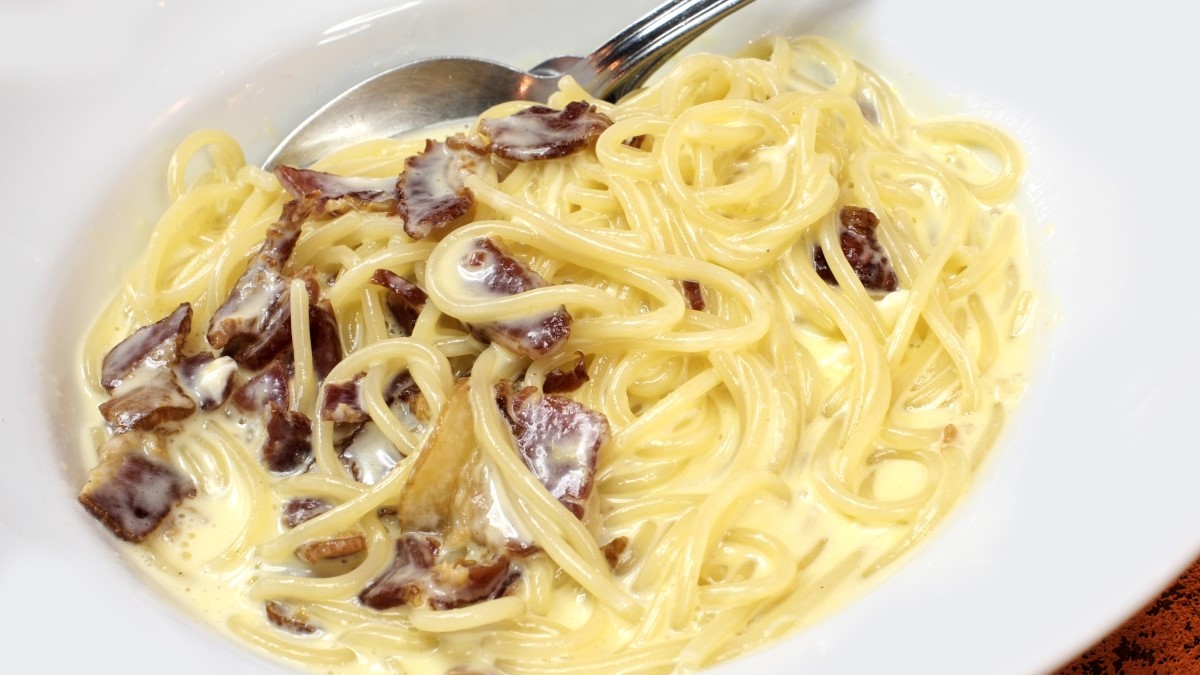
The sequence pointed commenters toward one problem: too much heat when the cheese entered the pan. Several cooks in the discussion had dealt with the same result, even when using fresh cheese. Carbonara needs enough retained heat to bring the sauce together, but a pan and pasta straight from the stove can push the cheese past that point.
Heat Can Turn Grated Cheese Into a Sticky Mass
Adding cheese while the pan is still over strong heat can cause it to seize instead of blending with the other ingredients. Commenters suggested taking the pan off the burner and giving it a short cooling period before the cheese mixture goes in. One summed up the issue in four words: “Temperature control is everything.”
Carryover heat from the pasta and pan still provides plenty of energy. Some cooks in the thread avoid the hot pan altogether, transferring the pasta into a separate metal bowl before combining it with the sauce. Others use a bowl set over the pasta pot as a makeshift double boiler, which gives the cook more control over how much heat reaches the mixture.
Egg Was Missing From the Sauce
Heat was not the only issue with the method described in the thread. The original attempt included pasta, Parmesan, and pasta water, but no egg. Several commenters spotted that omission at once.
Carbonara uses egg or egg yolk as part of the sauce, mixed with grated cheese before it meets the pasta. Rather than dropping cheese straight into the hot pan, commenters recommended making the egg-and-cheese mixture first, then combining it with the pasta away from direct heat. A small amount of pasta water can be worked into the mixture as needed.
That changes the process from trying to melt a pile of cheese against hot pasta into building a sauce around the noodles.
Pre-Grated Parmesan Adds Another Variable
The cook also revealed that the Parmesan came pre-grated from a package. Several commenters pointed to that choice because some packaged grated cheeses contain ingredients intended to keep the pieces from sticking together in the bag. Fresh cheese grated into fine particles gives the cook more control when making an emulsion.
Still, the thread did not agree that packaged Parmesan was the main culprit. Some commenters said they had made smooth sauces with bagged cheese and argued that excess heat, missing egg, and the way the pasta water was added mattered more.
Pecorino Romano was another recurring recommendation. It is the cheese associated with carbonara, though Parmesan or a mix of the two appears in many home versions.
Pouring in Pasta Water Can Create Another Problem
Reserved pasta water helps loosen the sauce and supplies starch, but dumping hot water over the cheese is not the same as adding it in controlled amounts. The cook poured hot pasta water over cheese sitting with hot pasta in a hot pan, stacking several sources of heat at once.
Commenters recommended adding the water bit by bit while tossing or stirring. That gives the cook a chance to stop once the sauce coats the pasta instead of flooding the mixture and trying to bring it back together.
There is also a reason not to chase a thick sauce in the pan. One commenter described getting carbonara to the texture they wanted over the stove, only to have it turn gummy once served. Leaving the sauce a little looser accounts for the cheese, egg, and starch continuing to set as the pasta reaches the plate.
For the cook whose Parmesan became sticky clumps, there was no single ingredient swap that explained the result. The pan was hot, the pasta had just been drained, hot water went straight over the cheese, the Parmesan was pre-grated, and the egg was missing. Fixing the heat and mixing method addresses the problem before blaming the cheese alone.
Leave a Reply