


Kitchen drawer liners can protect the wood beneath utensils, but there is another option sitting a few feet away in many kitchens. Aluminum foil can be cut to fit the bottom of a drawer, creating a removable layer between the drawer surface and the items stored on top.
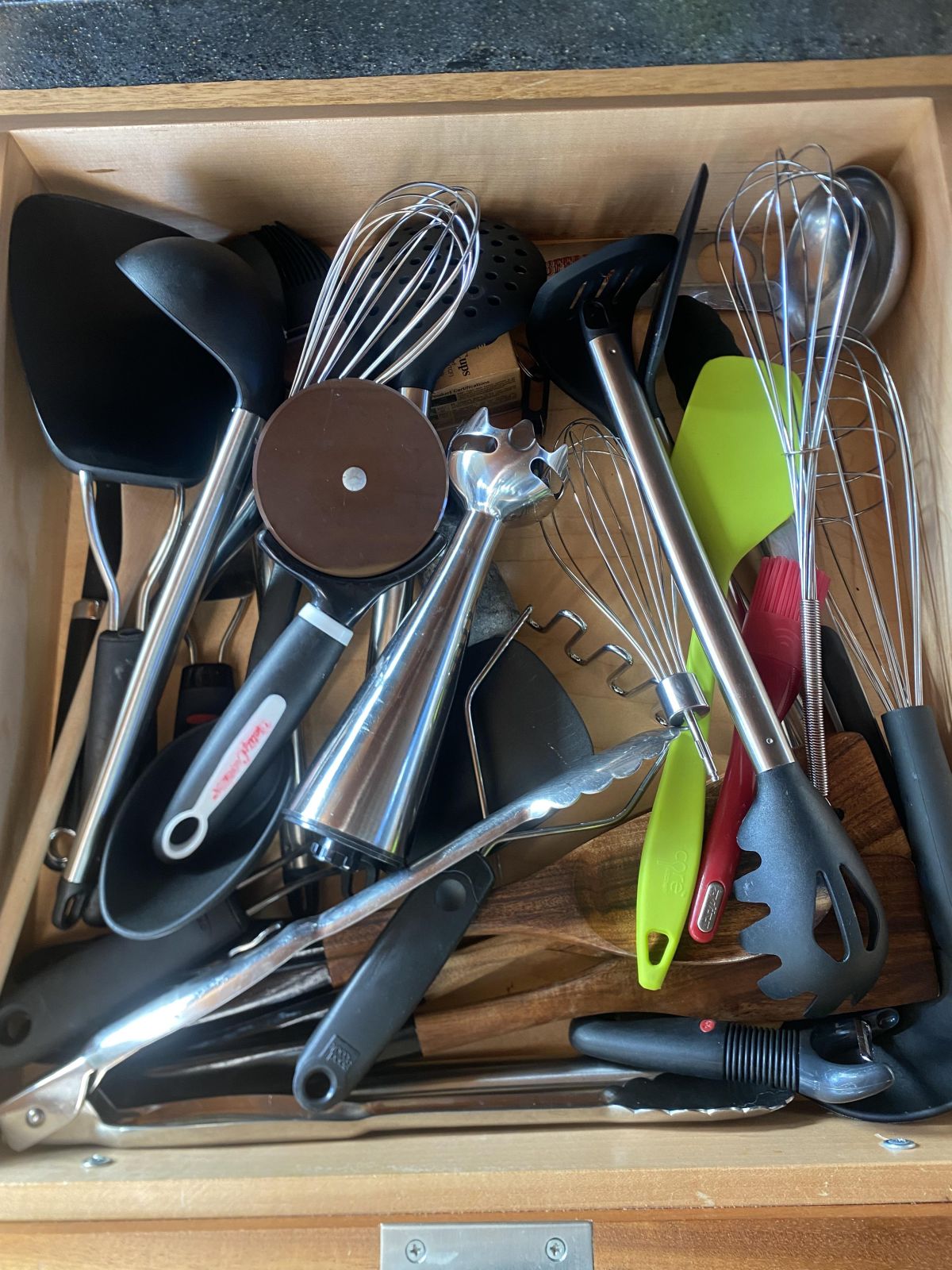
The idea has gained attention as a way to protect drawers used for cutlery and cooking tools. Unlike adhesive liners, foil requires no glue and can be lifted out when it gets dirty or damaged.
Aluminum Foil Can Work as a Removable Drawer Liner
Aluminum foil can be cut to the dimensions of the drawer and pressed across the bottom, with the edges tucked against the sides. A cutlery tray or loose utensils can then go back on top.
Its biggest practical benefit is the barrier it creates between the drawer and its contents. Crumbs, small spills, grease, and residue from cooking utensils land on the foil instead of the wood or finished drawer bottom.
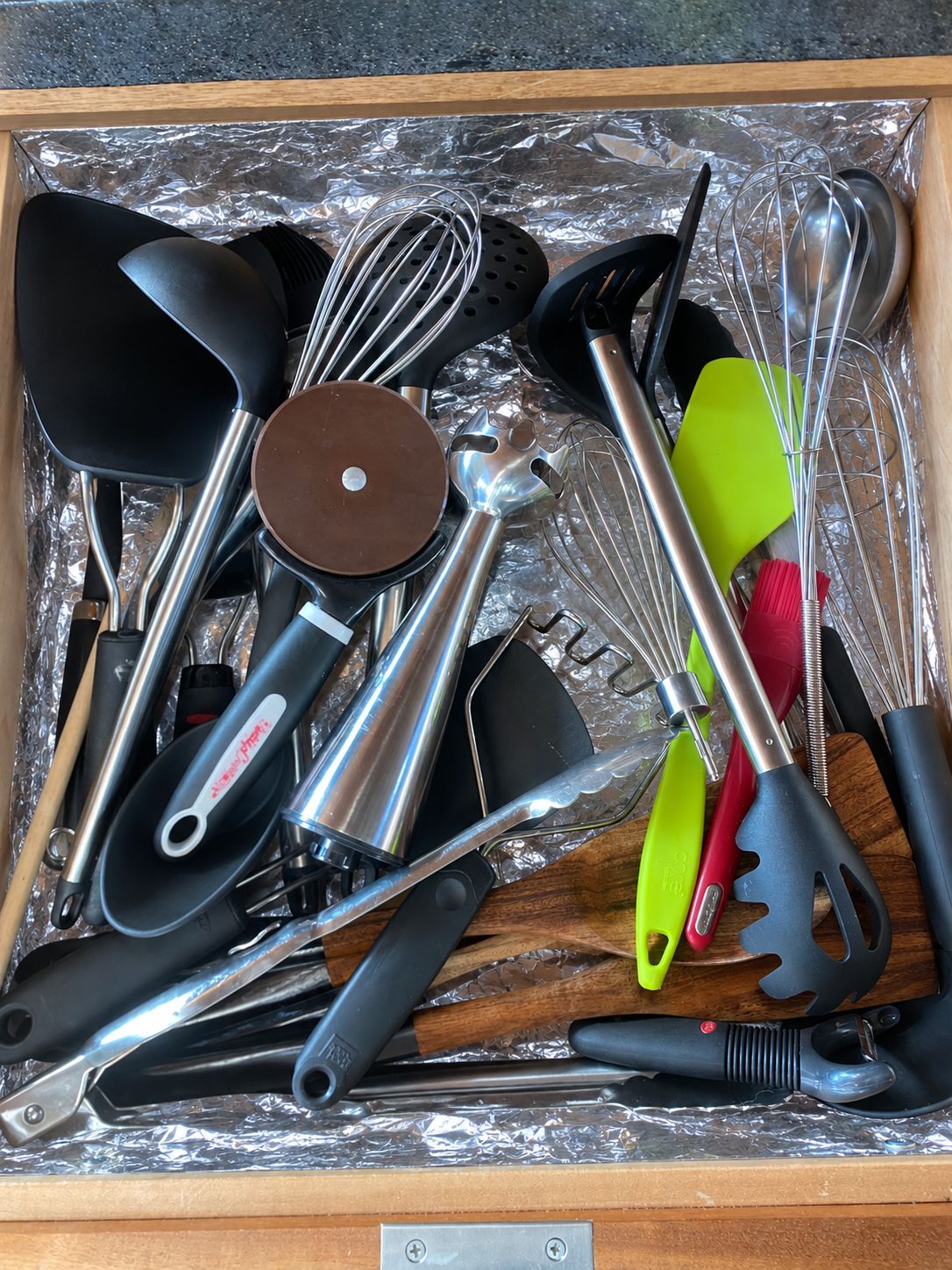
When the surface becomes stained or torn, the sheet can be removed and replaced rather than scrubbing the drawer itself.
Foil May Help Keep Moisture Off the Drawer Surface
The trick has also been promoted as a way to keep moisture from sitting in direct contact with utensils. Aluminum foil does not absorb water, so small amounts of moisture remain on its surface instead of soaking into the material below.
That does not make foil a solution for a damp cabinet. If water keeps appearing inside a drawer, the source should be found rather than covered. Foil that becomes wet should also be removed so moisture does not remain trapped beneath utensils.
Cut the Foil to Fit Instead of Leaving Loose Edges
Empty the drawer before installing the foil and wipe the bottom clean. Measure the interior, then cut enough foil to cover the base without leaving large folds that can catch on utensils.
Press the sheet into the corners and flatten it across the bottom. For a cutlery drawer, the organizer can sit on top and help hold the foil in place. Deep utensil drawers can use the same setup, though heavy tools may tear thin foil as they shift around.
There is no need to attach the foil with adhesive. Keeping it removable is part of the appeal, since the entire liner can come out when the drawer needs cleaning.
It Won't Replace Every Type of Drawer Liner
Foil makes more sense as a simple protective layer than as a replacement for every commercial liner. It has little cushioning, can tear under sharp utensils, and does not provide the grip of rubber or textured shelf liners.
For a drawer where the main concern is catching crumbs, residue, or minor spills, however, a roll already stored in the kitchen can do the job without another product.
Leave a Reply