


For years, cartons and cans of broth became the quickest way to build soups, sauces, and stews. More home cooks, however, are returning to homemade stock after discovering that a pot of simmering bones and vegetable scraps delivers deeper flavor while reducing kitchen waste.
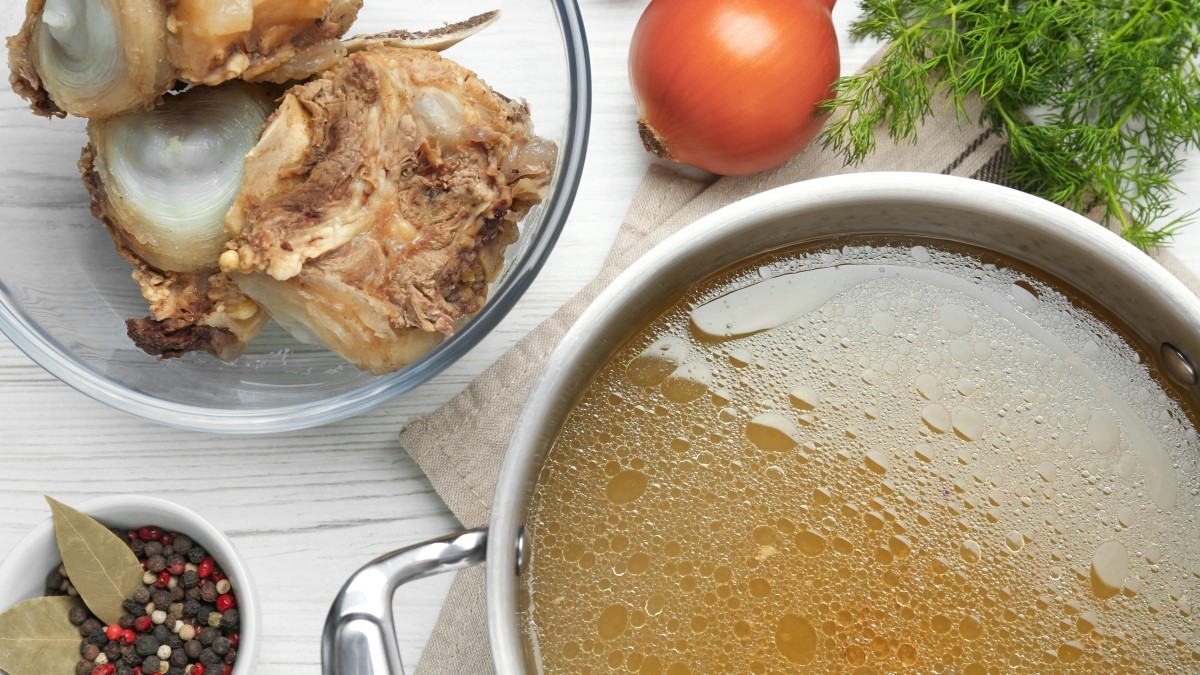
The shift isn't about making complicated recipes. It's about getting more from ingredients that often end up in the trash. Onion skins, carrot peels, celery tops, herb stems, chicken carcasses, and beef bones are finding a second purpose instead of filling the garbage bin.
Kitchen Scraps Are Becoming the Main Ingredient
Vegetable trimmings once considered waste are now filling freezer bags until there's enough to make a batch of stock. Carrots, celery, onions, garlic, parsley stems, and mushroom stems release flavor during a long simmer without requiring extra grocery trips.
Many home cooks keep a container in the freezer for scraps, turning leftovers from everyday meal preparation into the base for soups, risotto, sauces, and braised dishes.
Flavor Builds Without Extra Ingredients
Homemade stock develops its flavor over time instead of relying on concentrated seasonings. Chicken bones, beef bones, or vegetables slowly release natural compounds that create body and richness during cooking.
The result gives cooks complete control over the amount of salt and seasoning while creating a base that can be used across dozens of recipes.
Food Waste Is Part of the Conversation
The U.S. Department of Agriculture encourages households to reduce food waste by finding new uses for ingredients that might otherwise be discarded. Turning vegetable trimmings into stock is one practical way to extend the value of ingredients already purchased.
The Freezer Is Becoming the New Pantry
Instead of stocking shelves with multiple cartons of broth, more kitchens now keep containers of homemade stock ready in the freezer. Small portions can be thawed as needed for soups, grains, sauces, and one-pan meals.
That simple habit has helped homemade stock reclaim its place in everyday cooking, proving that some of the best ingredients begin with food that almost went into the trash.
Leave a Reply