


Two drawers sit at the bottom of many refrigerators, often filled with apples, carrots, lettuce, and whatever produce came home from the grocery store. Separating fruits from vegetables seems like the purpose, but some produce can affect the freshness of other items even when both belong in the same category.
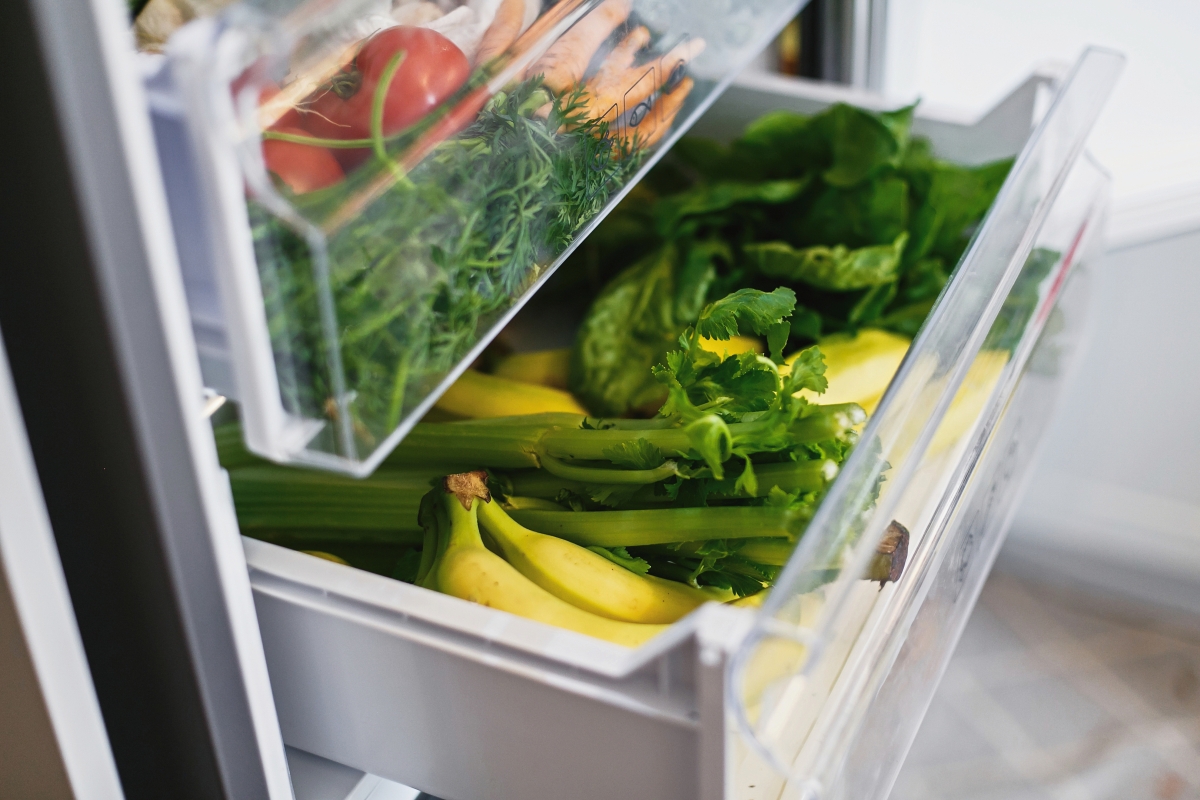
The problem involves ethylene, a gas released by certain fruits as they ripen. Apples, peaches, avocados, and tomatoes produce ethylene, which can accelerate ripening and deterioration in produce sensitive to it. Placing them beside broccoli or leafy greens can shorten the time those vegetables stay fresh.
Crisper drawers offer a way to separate these foods, but the correct arrangement depends on what each drawer contains and whether the refrigerator has humidity controls.
Apples and broccoli shouldn't share the same drawer
Apples release ethylene gas as part of their ripening process. The gas acts as a plant hormone, triggering changes in color, texture, and ripeness in susceptible produce.
Broccoli, cabbage, leafy greens, carrots, and cucumbers can respond to ethylene exposure with faster deterioration.
That means storing apples beside broccoli may cause the vegetable to lose quality sooner than it would in a separate compartment.
Other ethylene-producing foods include peaches, plums, nectarines, cantaloupe, and ripe avocados.
Keep these apart from sensitive vegetables when arranging produce in the refrigerator.
Bananas also release ethylene, although unripe bananas are best kept outside the refrigerator until they reach the desired ripeness.
Once ripe, moving bananas or avocados into the refrigerator can slow further ripening.
The important distinction isn't whether an item is a fruit or vegetable. It's whether it releases ethylene and how nearby produce responds to that gas.
The humidity controls have another purpose
Many refrigerators have adjustable vents on their crisper drawers, allowing users to change the humidity inside each compartment.
A high-humidity setting restricts airflow and helps leafy greens retain moisture, reducing wilting.
A low-humidity setting allows more air exchange, which can help prevent excess moisture buildup around certain fruits and allow ethylene to escape.
For refrigerators with two adjustable drawers, one can hold moisture-sensitive greens under higher humidity, while the other can accommodate suitable fruits under lower humidity.
Not every refrigerator uses the same drawer design. Some have fixed humidity levels, while others include separate temperature controls or dedicated produce compartments.
Check the manufacturer's instructions before assuming both drawers function in the same way.
Keeping produce in separate drawers also doesn't guarantee that ethylene exposure stops, since gas can circulate within the refrigerator.
The goal is to reduce unnecessary contact between ethylene-producing fruits and sensitive vegetables while providing suitable humidity for each group.
Those two drawers can do more than organize groceries. Used with the right produce and humidity settings, they can help limit moisture loss, reduce ethylene exposure, and keep fruits and vegetables in better condition.
Leave a Reply